



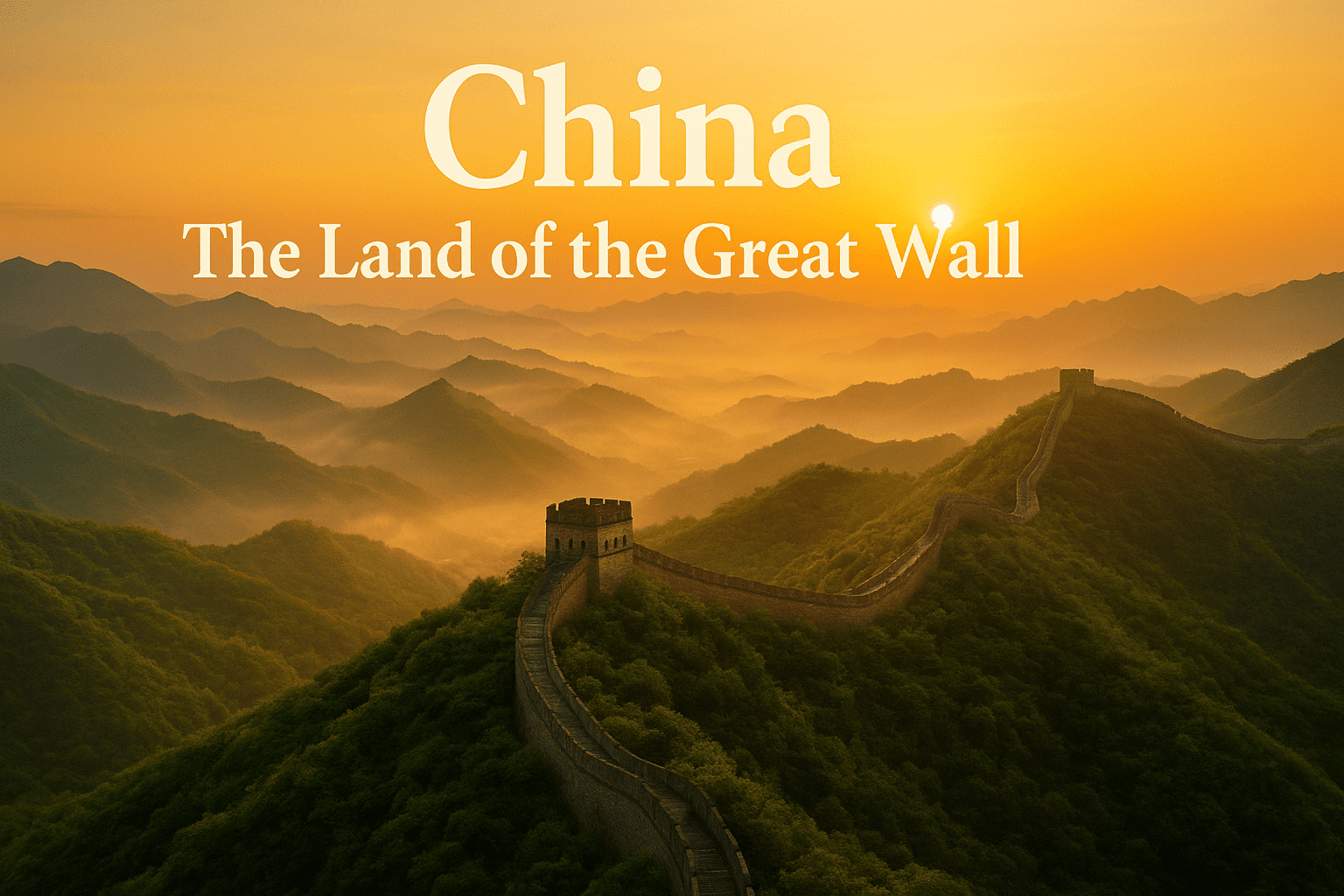
Introduction: Discovering China
One of the oldest civilisations in the world and the most populous nation on Earth is China, formally known as the People’s Republic of China (PRC). China is an East Asian country with a wide range of environments, from vibrant megacities and ancient temples to enormous deserts and majestic mountains. China is a major player in determining international politics, trade, and culture as a member of the United Nations (UN) and one of the world’s superpowers.
Over the course of its more than 5,000-year history, China has impacted the advancement of philosophy, science, art, and government. Today, it blends historical customs with cutting-edge technology, making it an intriguing place for both tourists and scholars. With an in-depth examination of China’s history, geography, culture, economy, major cities, and travel advice, this guide provides a comprehensive understanding of why China continues to hold global significance.
Key Historical Facts about China
China has one of the world’s longest and most extensive histories. Important turning points include:
- Ancient Origins (c. 2100 BCE – 221 BCE)
- Chinese writing and the first political systems were established by the Xia, Shang, and Zhou dynasties.
- Laozi, the founder of Taoism, and Confucius (551–479 BCE) influenced ethics and philosophy.
- Imperial China (221 BCE – 1912 CE)
- China was unified and given its name during the Qin Dynasty (221–206 BCE).
- Through the Silk Road, the Han Dynasty (206 BCE–220 CE) increased trade and dispersed Chinese culture and goods throughout Eurasia.
- Literature, technology, and urbanisation all advanced during the Tang (618–907 CE) and Song (960–1279 CE) dynasties.
- Under Zheng He, the Ming Dynasty (1368–1644) increased maritime trade and constructed a large portion of the Great Wall.
- China’s final imperial dynasty, the Qing Dynasty (1644–1912), ended due to both external pressure and internal uprisings.
- Modern China (1912 – Present)
- Following the collapse of the Qing, the Republic of China was founded in 1912.
- The People’s Republic of China (PRC), led by Mao Zedong, was established in 1949 following years of civil war.
- China’s economy has experienced rapid reforms since the late 20th century, making it the world’s second largest economy.
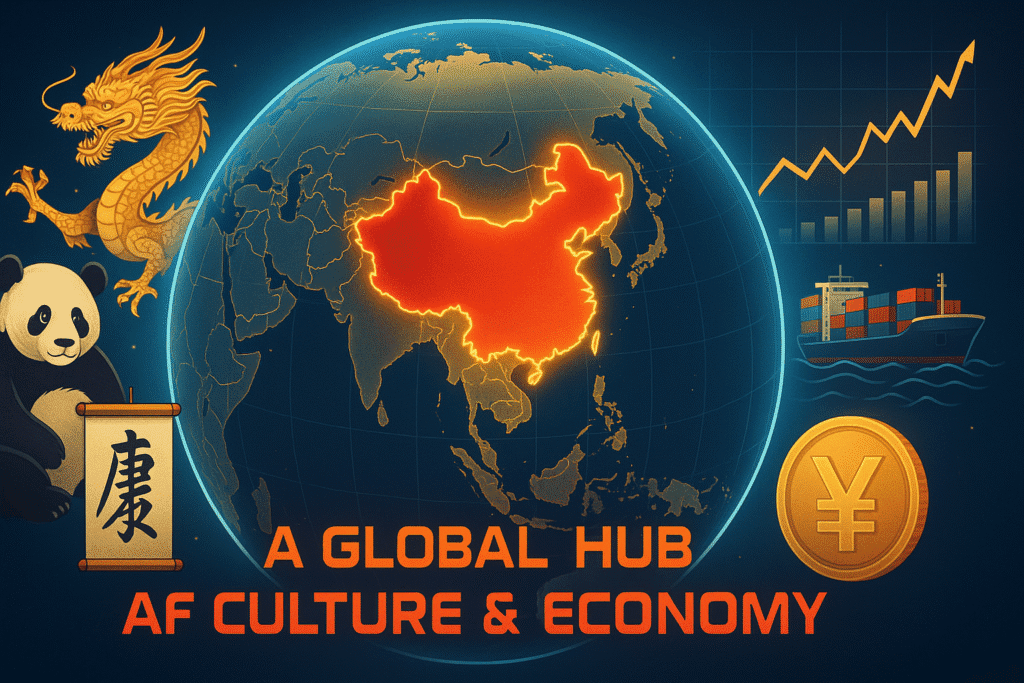
Geographical Location of China
With an area of roughly 9.6 million square kilometres, China is the fourth largest country in the world by area, behind the US, Canada, and Russia.
- Continent: Asia
- Coordinates: Between 18°N to 54°N latitude and 73°E to 135°E longitude
- Borders:
- Russia, India, Mongolia, Pakistan, Nepal, Vietnam, and North Korea are among the 14 neighbouring nations.
- Its combined land border is the longest in the world (22,000+ km).
Diverse Landscapes
- Mountains: the Himalayas, which include the 8,848-meter-high Mount Everest on the border between China and Nepal.
- Deserts: The Taklamakan Desert and the Gobi Desert.
- Rivers: The Yellow River, the birthplace of Chinese civilisation, and the Yangtze River, the longest in Asia.
- Plains: A fertile agricultural heartland is the North China Plain.
- Coastline: With important ports like Shanghai and Guangzhou, the Pacific Ocean stretches for more than 14,000 kilometres.
China is a year-round travel destination because of its diverse geography, which offers a wide range of climates from tropical in the south to subarctic in the north.
Culture & Traditions of China
Festivals & Celebrations
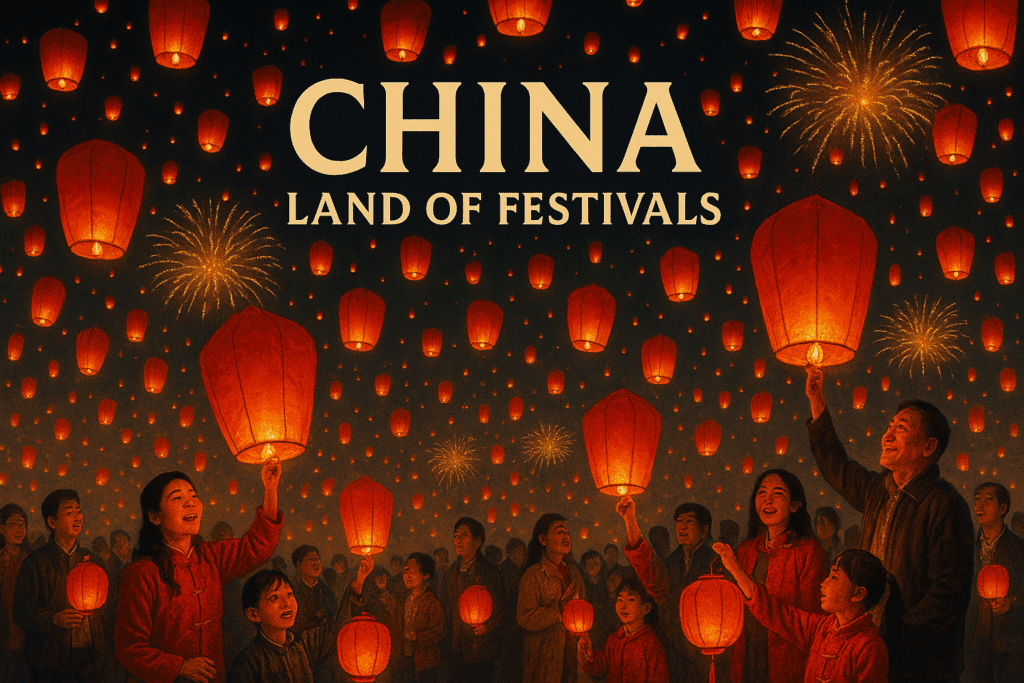
China observes a variety of traditional holidays that are a reflection of its social values and rich cultural legacy:
- Spring Festival (Chinese New Year): Family get-togethers, red decorations, lion dances, fireworks, and the distribution of red envelopes are all part of China’s most significant holiday.(wanderinchina.com)
- Lantern Festival: the lunar year’s first full moon night. Celebrations of unity revolve around lantern displays, solving riddles, and tangyuan, or sweet glutinous rice balls.(Wikipedia, wanderinchina.com)
- Dragon Boat Festival: honours poet Qu Yuan with zongzi (sticky rice dumplings) and dragon boat races.(Wikipedia, Ruqin China Travel)
- Mid-Autumn Festival: Under the full moon, families get together to light lanterns and share mooncakes, which are symbols of harmony and togetherness.(Wikipedia, nspirement.com)
- Other festivals: The Hungry Ghost Festival, Tomb-Sweeping (Qingming), and Qixi “Chinese Valentine’s Day” all emphasise folk traditions and reverence for ancestors.(Articles Factory, Mandarin Blueprint)
Music, Dance & Art
China’s performing arts include everything from Peking opera to traditional regional dances. During festivals, folk dances like the lion and dragon dances are common.
Cuisine
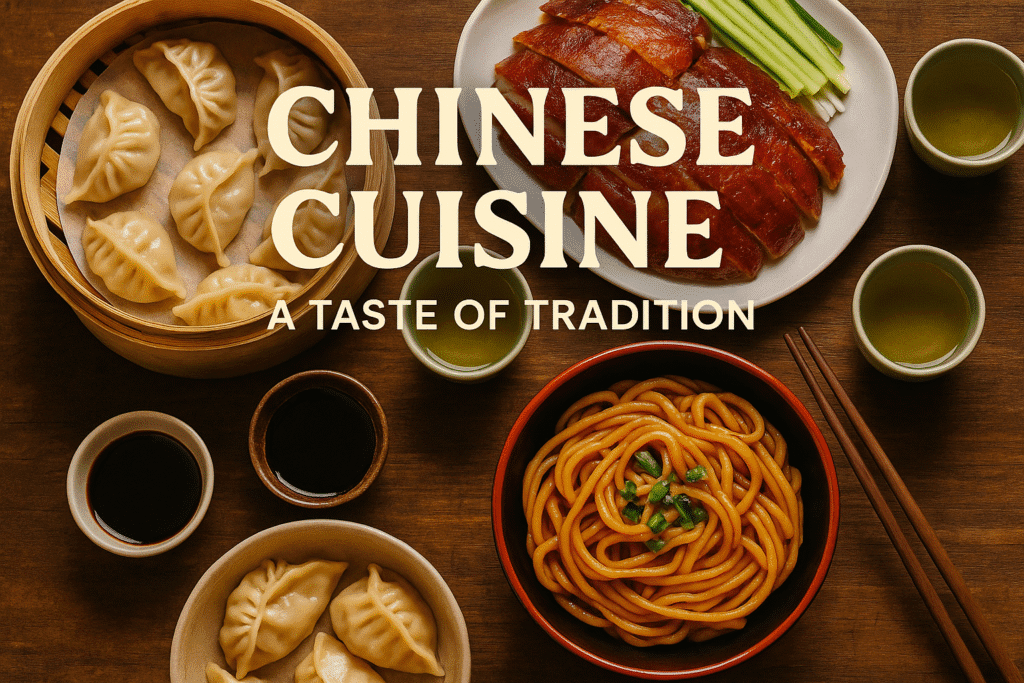
Chinese cuisine offers incredible variety:
- Fresh seafood along the coast, Sichuan’s fiery cuisine, hearty stews in the north, and dim sum in the south.
- Famous foods that represent local tastes and celebration customs include mooncakes, zongzi, jiaozi dumplings, and Peking duck.(wanderinchina.com)
Economy of China
Following major reforms and growth spurts since 1978, China’s economy is currently the second largest in the world..(World Bank, AP News)
Economic Structure
- Services: largest sector, accounting for about 57% of GDP, with retail and finance at the forefront.(Investopedia)
- Manufacturing & Industry: Auto manufacturing and high-tech exports are among the historic growth drivers (~37% of GDP).(Investopedia)
- Agriculture: modest but essential, producing fruit and staples like wheat and rice.(Investopedia)
Current Trends & Challenges
- In 2023, the GDP was revised upward to ¥129.4 trillion (~US$17.7 trillion).(AP News)
- From 5.4% in early 2025 to an estimated 4.5% to 4.0% in the following years, growth has begun to slow.(Investopedia, World Bank)
- Ageing populations, a downturn in the real estate market, and growing debt loads are examples of structural pressures.(The Guardian, The Wall Street Journal, AP News, Financial Times)
- Now, increasing domestic consumption is the main goal.(World Bank)
Trade & Partners
With key partners like the US, EU, Japan, and ASEAN countries, China maintains broad international trade ties, including participation in the CPTPP and Pacific Alliance.(Investopedia, World Bank)
Major Cities of China
Beijing (Capital)
Historical and political heart of China, boasting icons like the Forbidden City, Great Wall, and Temple of Heaven. Both international flights and high-speed rail serve the area.(China Highlights)
Shanghai
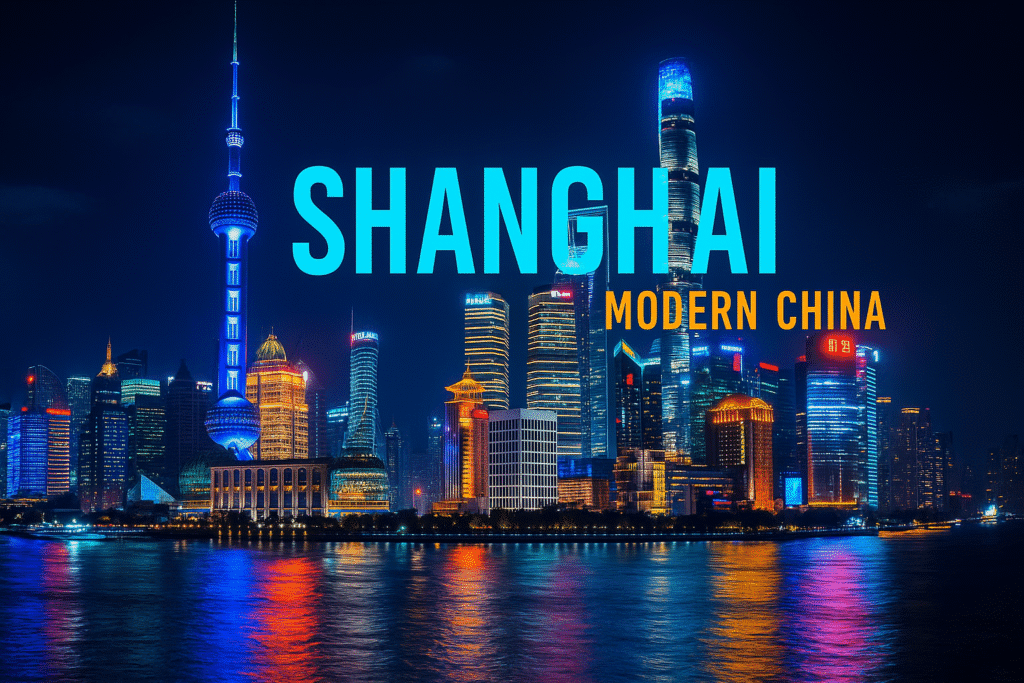
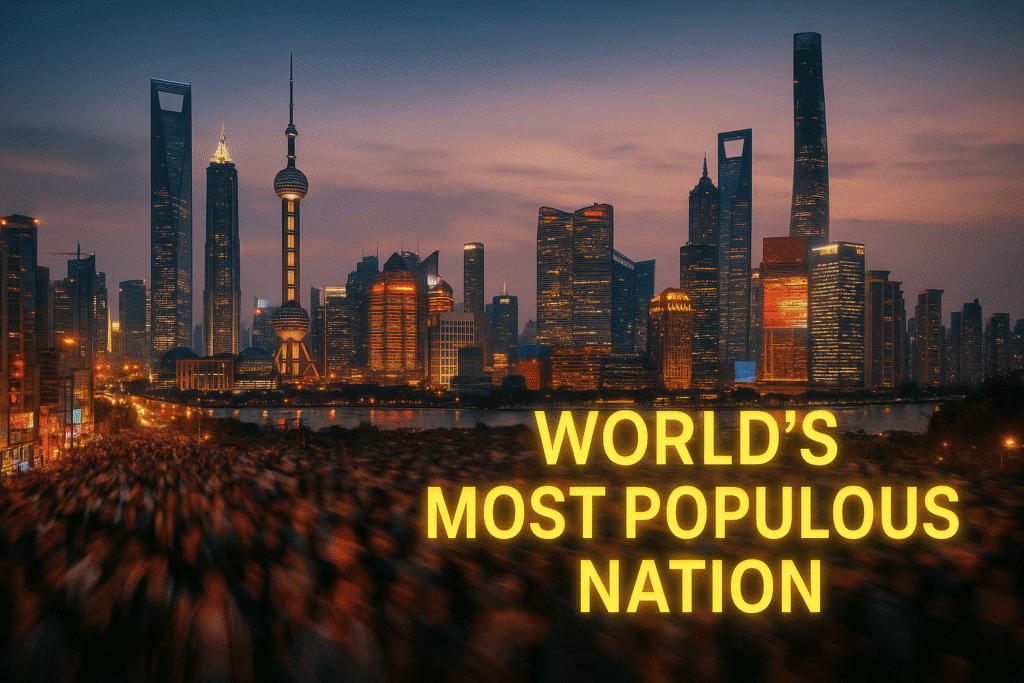
An economic and cultural centre featuring the historic Yu Garden, the Bund waterfront, and a futuristic skyline (Shanghai Tower). entryway to Hangzhou and Suzhou.(China Discovery, Wikipedia)
Xi’an
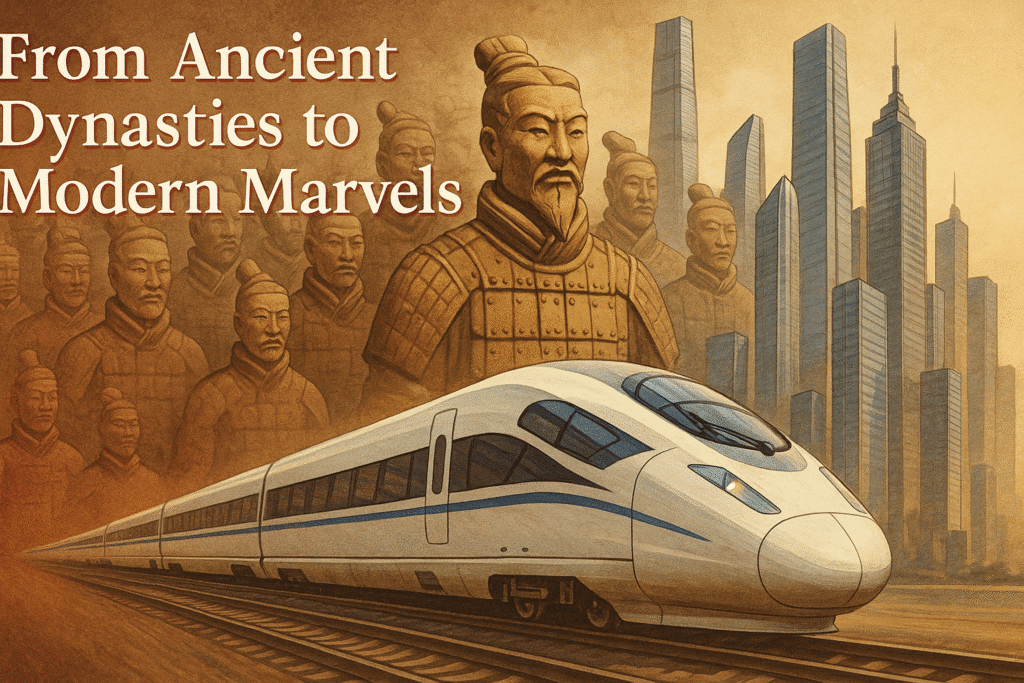
An ancient capital and the beginning of the Silk Road. home of the mediaeval city wall and Terracotta Army.(Airtel, China Highlights)
Chengdu
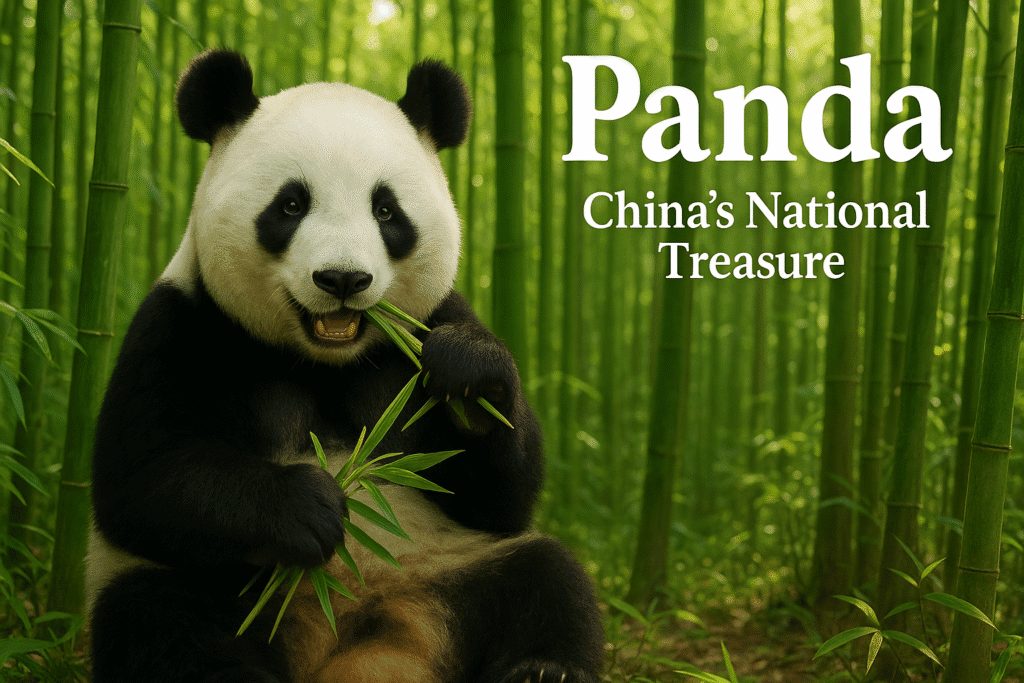
The giant panda base is located in the capital of Sichuan cuisine. renowned for its fiery hotpot and relaxed street culture.(China Highlights)
Major Tourist Attractions
There are many must-see places in China, but these are a few that stand out:
The Great Wall of China
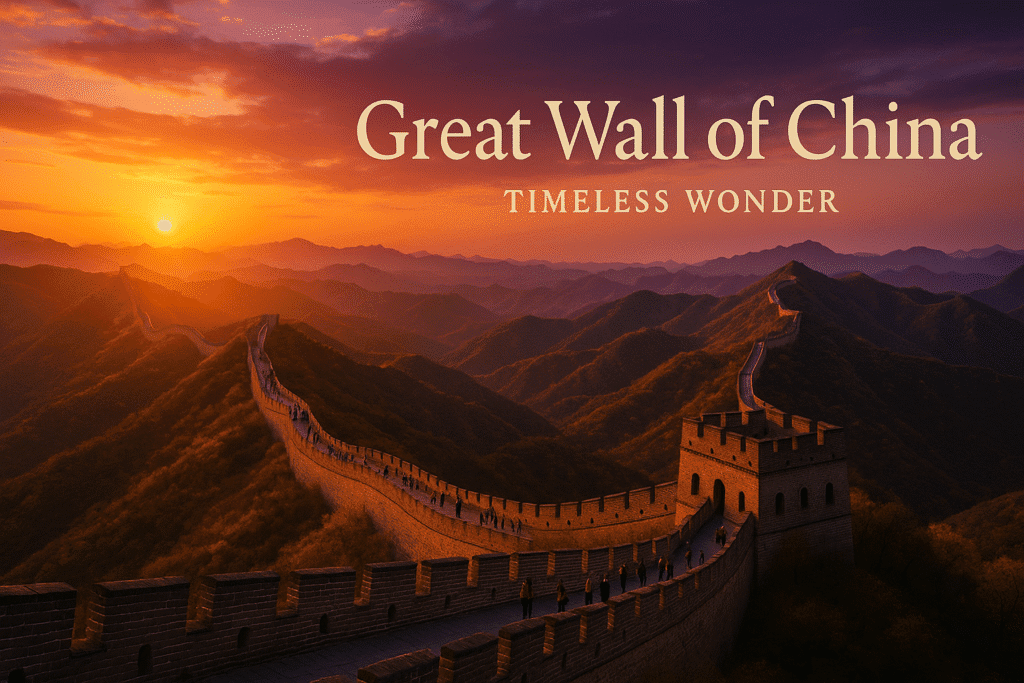
Hiking is available at places like Badaling and Mutianyu on this enduring landmark and UNESCO World Heritage site that spans thousands of miles across northern China. (YouTube, GeeksforGeeks)
The Forbidden City, Beijing
The largest surviving wooden palace complex, encircled by thick walls and a huge moat, was the residence of the Ming and Qing emperors.(PlanetWare)
Terracotta Army, Xi’an
Emperor Qin Shi Huang’s tomb was guarded by thousands of life-sized clay warriors and horses that were discovered in 1974.(Airtel)
The Bund & Yu Garden, Shanghai
Yu Garden is a lovely classical oasis in Shanghai’s old town, while The Bund features colonial-era architecture across from futuristic Pudong.(Airtel)
Yellow Mountains (Huangshan)
renowned for its sea of clouds, pine trees, and angular granite peaks, which served as an inspiration for Chinese art. (YouTube, GeeksforGeeks)
Li River, Guilin
The best way to witness serene karst landscapes is to take a picturesque cruise from Guilin to Yangshuo.(YouTube, GeeksforGeeks)
Potala Palace, Tibet
Tibetan Buddhism is symbolised by this magnificent hilltop fortress, which was once the Dalai Lama’s home.(YouTube, GeeksforGeeks)
Leshan Giant Buddha, Sichuan
A massive statue that towers over the confluence of three rivers, carved into the side of a cliff.(YouTube)
The Yangtze River, the Yellow Mountains, Suzhou’s classical gardens, and the sandstone pillars of Zhangjiajie are additional points of interest.(GeeksforGeeks)
Official Language & Common Dialects
- Official Language: Standard Mandarin Chinese (Putonghua)
- Dialects & Languages: Hokkien/Min (found, for example, in Taiwan and Fujian), Cantonese, Shanghainese (Wu), and minority languages such as Tibetan, Uighur, Mongolian, and Zhuang.
H2: Unique & Interesting Facts
- China, a UNESCO Founder: a founding member since 1945.
- Longest Country North–South: More than 4,300 kilometres.(The Times)
- World’s Driest Desert: Chile’s Atacama? Actually, it’s not China; it’s Chile. However, China is home to the Taklamakan and Gobi deserts.
- Massive Aquarium: With more than 12 million visitors, Zhuhai’s Chimelong Ocean Kingdom set new world records.(Wikipedia)
- Mount Wutai: Five flat peaks and more than 50 monasteries make up this revered Buddhist UNESCO site.(Wikipedia)
- Tenglong Cave: At almost 59 kilometres, it is the longest single-body karst cave in the world.(Wikipedia)
Best Time to Visit & Travel Tips
Best Time to Visit China
- Spring (March–May): Shanghai and Guilin, for example, have wonderful cherry blossoms, mild temperatures, and fewer tourists.(Reddit, kimkim)
- Autumn (September–November): Great weather and autumn foliage, especially in Jiuzhaigou, Beijing, and the Great Wall.(Lonely Planet, China Odyssey Tours, Reddit)
Budget & Luxury Travel Seasons
- Budget: Prices are lowest in late autumn and early winter (not including holidays).(Tibet Travel and Tours – Tibet Vista, Adventure Life)
- Luxury: Spring and autumn offer pleasant temperatures and first-rate experiences.(Trip.com, Reliance General Insurance)
Heavy Tourism to Avoid
Steer clear of Chinese New Year, National Day Golden Week, and midsummer (June–August) because of the heavy crowds.(Tibet Travel and Tours – Tibet Vista, bestchinatours.ca)
Getting Around China
- Domestic Flights: Long-distance travel is quick and simple.
- High-Speed Rail: vast network (e.g., Guangzhou–Shenzhen, Beijing–Shanghai).
- Metro Systems: Effective in Shenzhen, Guangzhou, Shanghai, and Beijing.
- Buses & Ferries: affordable choices for local travel.
- Guided Tours: Perfect for isolated places (like rural Yunnan or Tibet).
Final Summary
China is a country of incredible diversity, ranging from vibrant cities and modern marvels to ancient wonders and druidic landscapes. Exploring China provides unparalleled insight into civilisation itself because of its rich cultural heritage, long history, and global economic clout.
This guide offers a thorough route for tourists, students, and culture vultures, regardless of whether you are drawn to the area by its famous landmarks, religious temples, cultural celebrations, or delectable cuisine. Explore China; it is a world unto itself.
Key Facts Table
| Feature | Details |
| Official Name | People’s Republic of China |
| Capital | Beijing |
| Official Language | Mandarin Chinese (Putonghua) |
| Continent | Asia |
| Currency | Renminbi (CNY) |
| Major Industries | Manufacturing, Tech, Agriculture, Tourism |
| Tourism Highlights | Great Wall, Terracotta Army, Li River |
| Best Time to Visit | Spring & Autumn |
| Travel Modes | High-speed rail, flights, metro |
| UN Membership | Founding member (since 1945) |
List of All 195 Countries 👈
A
- Afghanistan 👈
- Albania 👈
- Algeria 👈
- Andorra 👈
- Angola 👈
- Antigua and Barbuda 👈
- Argentina 👈
- Armenia 👈
- Australia 👈
- Austria 👈
- Azerbaijan 👈
B
12. Bahamas 👈
13. Bahrain 👈
14. Bangladesh 👈
15. Barbados 👈
16. Belarus 👈
17. Belgium 👈
18. Belize 👈
19. Benin 👈
20. Bhutan 👈
21. Bolivia 👈
22. Bosnia and Herzegovina 👈
23. Botswana 👈
24. Brazil 👈
25. Brunei 👈
26. Bulgaria 👈
27. Burkina Faso 👈
28. Burundi 👈
C
29. Cabo Verde 👈
30. Cambodia 👈
31. Cameroon 👈
32. Canada 👈
33. Central African Republic 👈
34. Chad 👈
35. Chile 👈