



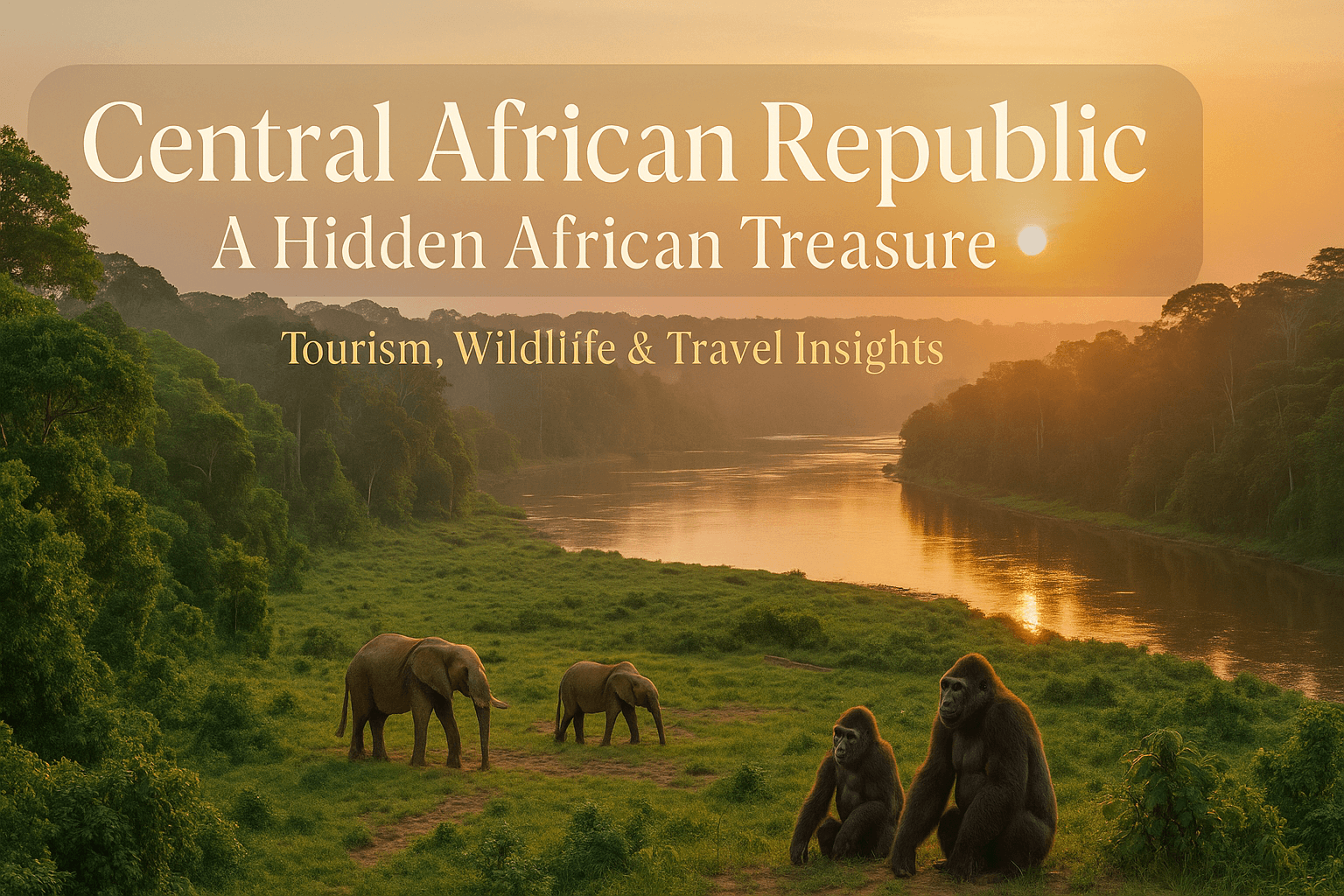
Introduction
Located in the centre of Africa, the Central African Republic is a landlocked country with abundant natural resources, a complicated past, and a rich cultural legacy. Everything from rich histories and varied landscapes to languages, customs, must-see sights, economic insights, and helpful travel tips is brought to life in this comprehensive guide to the Central African Republic. Let’s examine why the inquisitive tourist is drawn to the Central African Republic.
Key Historical Facts
Pre-Colonial Era and Evolving Kingdoms
Numerous ethnic groups, including the Banda, Gbaya, and Zande, have lived in what is now the Central African Republic. Each of these groups has its own customs and social structures. Long before colonisation, these groups participated in internal networks of trade and cultural exchange.
Colonial Rule under France
The area, then called Ubangi-Shari, was colonised by France in the late 1800s and incorporated into French Equatorial Africa. Resource extraction and forced labour were hallmarks of the colonial era. (CIA).
Independence and Turbulent Early Years
On August 13, 1960, the Central African Republic became an independent nation. David Dacko was its first leader, but instability followed, including the ascent of Jean-Bédel Bokassa, who renamed the country, declared himself emperor in 1976, and was overthrown in 1979. (CIA, Wikivoyage).
Recent Conflicts and the Road to Stability
Civil unrest, ongoing armed conflict, and shaky governance have plagued the CAR since 2013. Although there are still obstacles, diplomatic agreements and UN peacekeeping missions under MINUSCA seek to stabilise the country. (World Bank).
Geography, Location & Coordinates
Geographical Overview
The Central African Republic is a country in Central Africa that is about 620,000 km² in size, about the same size as France. (Wikipedia, Encyclopedia Britannica).
Borders and Terrain
It is landlocked and shares borders with the Democratic Republic of the Congo (south), the Republic of the Congo (southwest), Sudan and South Sudan (northeast and east), Cameroon (west), and Chad (north). (Wikipedia, Encyclopedia Britannica).
The terrain consists of dense rainforests, savannas, and undulating plateaus. The highlands, which include Mount Ngaoui (1,410 m), serve as a prominent geographical barrier between the Congo and Lake Chad basins. (Encyclopedia Britannica, Wikipedia).
Climate
The tropical climate of the CAR features dry (November–April) and wet (May–October) seasons. While the south experiences intense rains, the north experiences harmattan dust and desertification. The typical temperature is between 30 °C during the day and as low as 17 °C at night.(Worlddata.info, Wikivoyage).
Culture & Society in the Central African Republic
Diverse Traditions and Arts
More than 80 ethnic groups call the Central African Republic home, and each one maintains its own customs, handicrafts, and social mores. With their roots in traditional ceremonies like marriages and harvest festivals, folk arts like puppet theatre continue to blend storytelling, dance, and music.(World Encyclopedia of Puppetry Arts)
Band performances and lively music are common in cities like Bangui. The local music scene has been influenced by legendary bands like Musiki, Zokela, Makembe, Cool Stars, Cannon Stars, and Super Stars.(Encyclopedia Britannica)
Musical Heritage
The Central African Republic’s musical heritage includes the distinctive mbela (a primitive string instrument), Bandas’ jazzy trumpet-led songs, and Pygmy polyphonic folk music, which has intricate rhythms. Pop, rock, soukous, and Afrobeat are examples of modern styles that thrive.(Wikipedia)
Festivals & Community Celebrations
Events like the Bouar Festival serve to showcase the country’s diverse cultural heritage. Every year, it features traditional dance, music, and artwork from different ethnic groups.(Another Travel, Travel)
For both locals and daring tourists, these festivals offer immersive cultural experiences that shed light on the lively communal life of the CAR.
Religion and Spirituality
In the Central African Republic, Christianity is the predominant religion, practiced by an estimated 75–89% of the population, with Protestants making up the majority (≈61%) and Catholics (28%). Christian practices frequently blend with traditional beliefs. Nine to fifteen percent are Muslims, mostly Malikite Sunnis, but indigenous religions also make up a sizeable portion.(Wikipedia, Afro Discovery)
The nation has a secular constitution that guarantees religious freedom. Christmas and Easter are public holidays.(Wikipedia)
Economy, Currency & Trade
Economic Overview
With a nominal GDP of about $2.93 billion and a per capita income of about $531 USD (2025 estimate), the Central African Republic continues to rank among the least developed economies in the world.(Wikipedia). With roughly 43% of GDP coming from agriculture, services come in second with 41% and industry with 16%.(Wikipedia)
Cassava, millet, maize, coffee, and cotton are examples of agricultural products. The economy is boosted by forestry, gold and diamond mining, and some domestic manufacturing (beverages, textiles).(Wikipedia, CIA)
Currency & Monetary Union
The Bank of Central African States (BEAC) issues the Central African CFA franc (XAF), which is used in CAR and is fixed to the euro (1 € ≈ 655.957 XAF).(Wikipedia).The Economic and Monetary Community of Central Africa, or CEMAC, is a group of six Central African states that promotes regional economic integration.(Wikipedia)
International Trade Partners
The CAR’s economy is largely dependent on the export of natural resources like timber, diamonds, and gold. (BTI 2024, CIA, Encyclopedia Britannica).
Destinations for exports include the United Arab Emirates (approximately 41%), Pakistan (20%), Italy (13%), France (approximately 9%), and Cameroon (approximately 7%).(Lloyds Bank Trade, World Integrated Trade Solution).
Origins of imports: China (~7.9%), France (~8.1%), the United States (~9.7%), and Cameroon (~40%) (Lloyds Bank Trade).
Agricultural exports and duty-free preferences support the additional trade with the EU (approximately 15% of exports and 19% of imports).(GSP Hub).
International Support & Economic Challenges
Because of its high reliance on donor assistance and low internal revenue, CAR is under a lot of financial strain. The need to recover from suspended budget aid and ongoing strain on the public budget were highlighted in a 2025 IMF mission.(IMF)
Furthermore, economic fragility poses a threat to regional resilience. Citing disagreements over environmental funds, U.S. lawmakers have suggested restricting IMF assistance to CAR and other CEMAC members.(Reuters)
Tourism & Unique Experiences
Natural Attractions & Wildlife
Visitors looking for pristine wilderness are drawn to CAR. Both UNESCO-listed Manovo-Gounda St Floris National Park and Dzanga-Sangha Biosphere Reserve are rich in biodiversity, home to lowland gorillas, forest elephants, and a variety of birds. (BTI 2024).
Culture Immersion & Local Life
Markets, art galleries, and churches, including the restored Notre-Dame Cathedral, can be found in places like Bangui. Festivals and traditional village life provide genuine cultural immersion.
Night Skies & Seclusion
Being one of the least light-polluted nations, the CAR is a great place to see stars, which is not often available in today’s travel options.(TIME).
Security Realities
Limited infrastructure, persistent instability, and intermittent violence are challenges for tourism. Reputable local guides and organisations must be used to arrange travel.(Encyclopedia Britannica, TIME)
Tourism in the Central African Republic: A Hidden African Gem
Although it may not be at the top of the world’s tourism rankings just yet, the Central African Republic (CAR) provides the adventurous tourist with unadulterated, unspoiled experiences. For those looking for genuine African experiences away from crowded roads, the Central African Republic (CAR) is a haven of vast forests, magnificent rivers, and a wealth of wildlife.
1. Why Visit the Central African Republic?
While South Africa and Kenya are popular destinations for tourists, the Central African Republic (CAR) offers something different: an unadulterated, untamed Africa. You will come across authentic wilderness, uncommon wildlife species, and deeply ingrained cultures here instead of congested safaris or opulent resorts.
Key reasons to visit:
- Mass tourism has not touched the pristine wilderness.
- Wildlife that is unique includes bongos, lowland gorillas, and forest elephants.
- interaction with indigenous groups, including the Aka (pygmy) people, on a cultural level.
- adventure sports like trekking in the jungle and river expeditions.
2. Major Tourist Attractions
Dzanga-Sangha Special Reserve
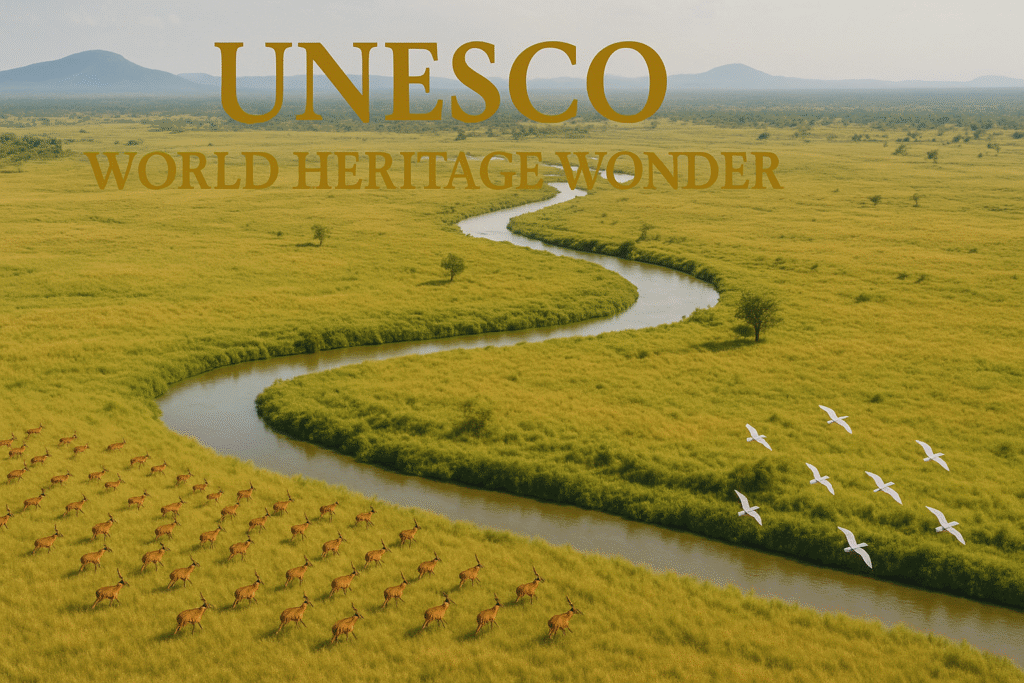
This UNESCO World Heritage Site is a wildlife paradise in the southwest. It is well-known for:
- Elephants congregate every day at Dzanga Bai, a forest clearing.
- Gorilla tracking in the western lowlands.
- interactions with rare bird species, sitatungas, and bongos.
Boali Waterfalls
The Boali Falls, located approximately 100 kilometres from Bangui, are a magnificent natural wonder, particularly in the rainy season. Surrounded by lush greenery, the powerful cascades descend 50 meters.
Bangui
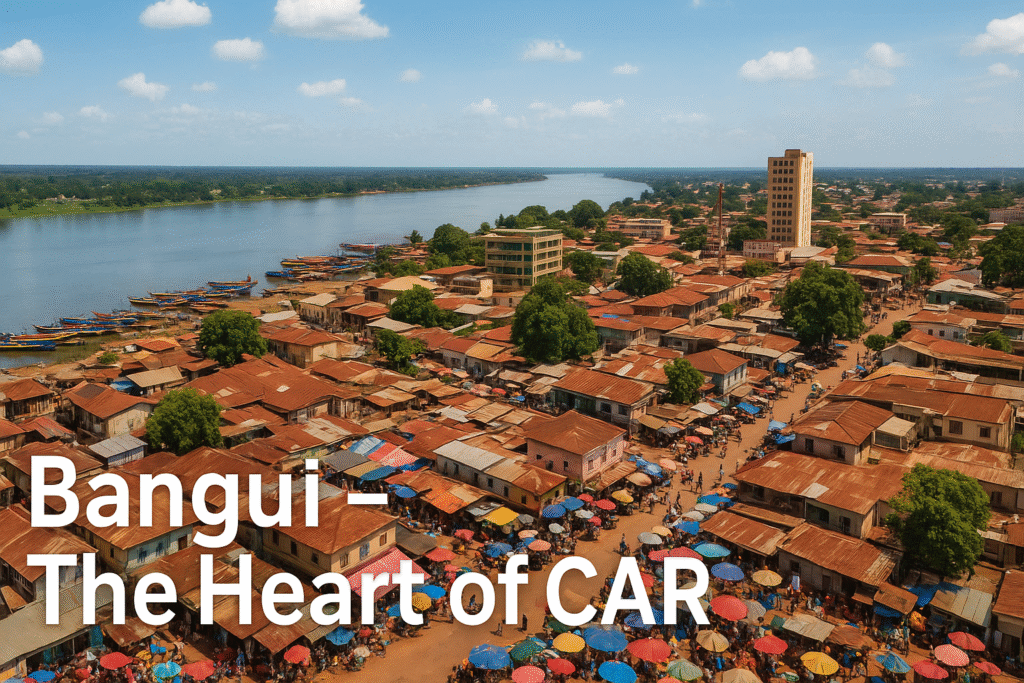
The capital city showcases the nation’s heritage with the Boganda National Museum, vibrant markets, and cultural insights.
Manovo-Gounda St. Floris National Park
A large northern savanna park that is home to many bird species, lions, cheetahs, and leopards.
Oubangui River
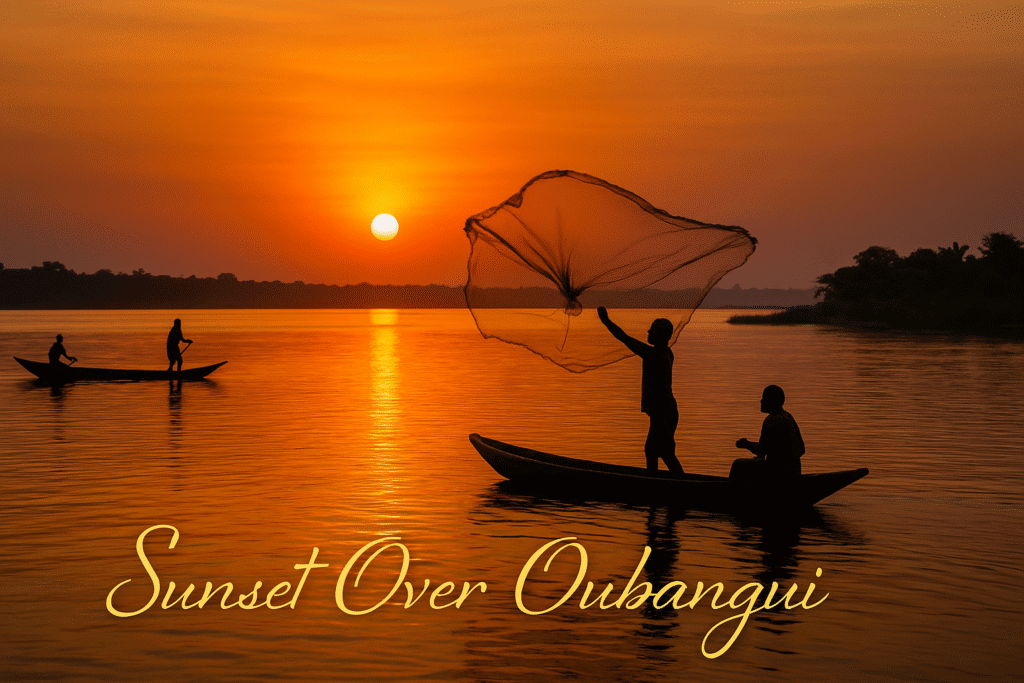
CAR’s lifeline, providing opportunities for photography, river cruising, and fishing excursions.
3. Wildlife & Nature
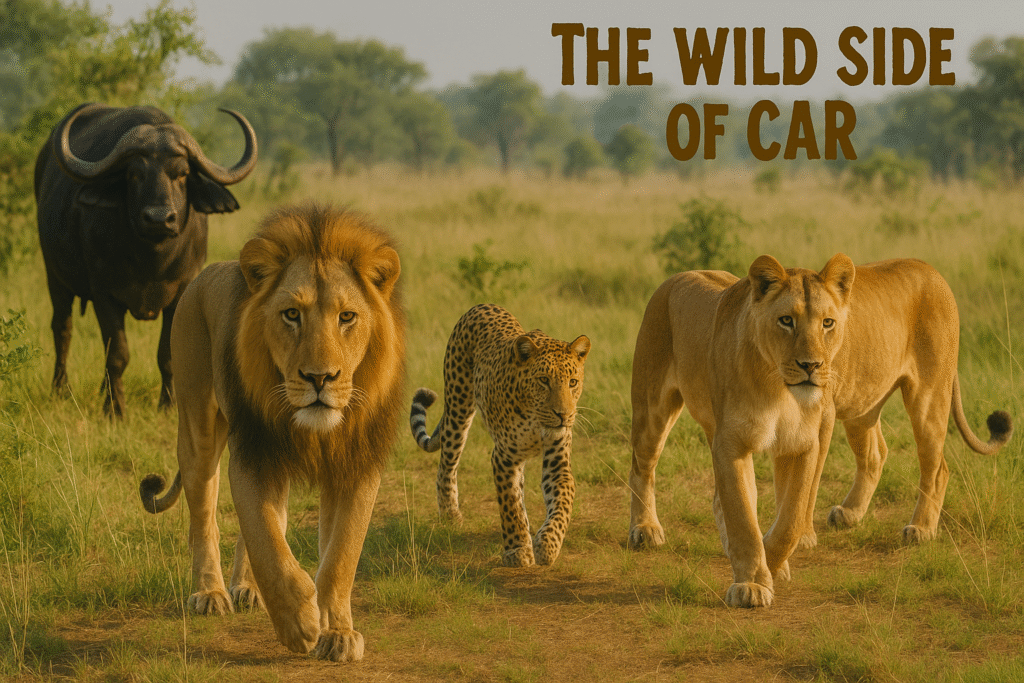
The wildlife of the Central African Republic is one of the most abundant in Africa. You can locate:
- Forest Elephants: Found in dense forests, these elephants are smaller than savanna elephants.
- Primate lovers should not miss the Western Lowland Gorillas.
- Rare antelope species in the area are bongos and sitatungas.
- More than 700 species of exotic birds have been identified.
The Congo Basin, the second-largest tropical rainforest in the world after the Amazon, includes the nation’s forests as well.
4. Cultural Tourism
Without experiencing its various ethnic groups, a trip to the CAR isn’t complete. Visitors can:
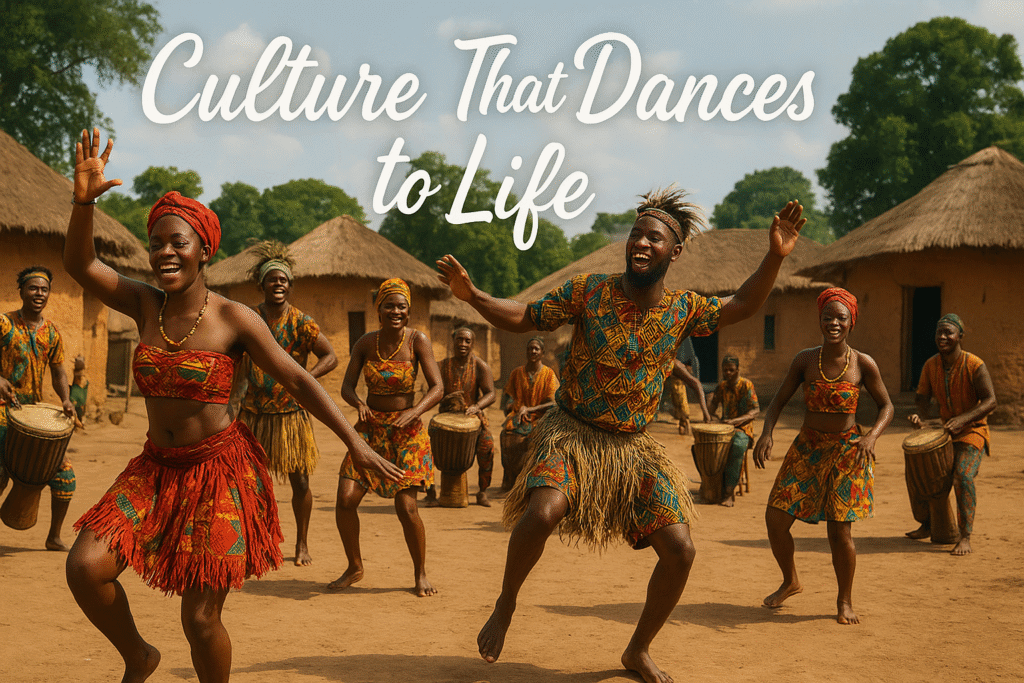
- Learn the Banda people’s traditional dance and music.
- Observe the Aka pygmies’ hunting and gathering way of life.
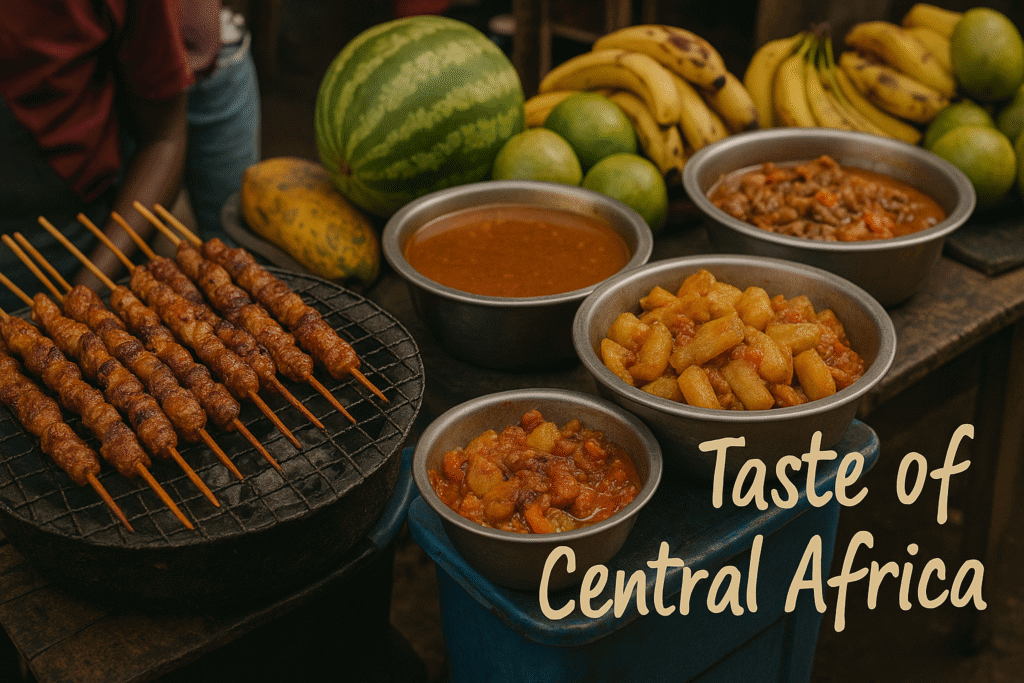
- Take part in local markets and sample regional cuisine from Central Africa.
5. Travel Tips for Visitors
Best Time to Visit:
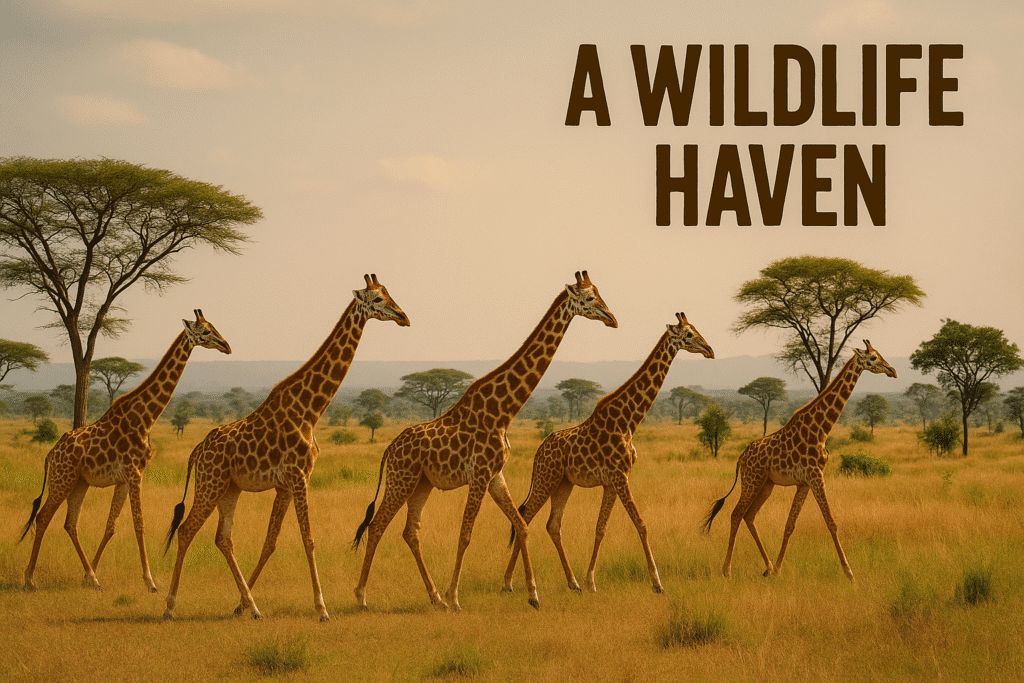
- The best time to see wildlife and travel between areas is during the dry season, which runs from November to April.
Safety Precautions:
- Look up the most recent travel warnings.
- Go with knowledgeable local guides.
- Stay in well-known tourist destinations, such as Dzanga-Sangha.
Entry Requirements:
- Most visitors need a visa.
- Vaccination against yellow fever is required.

Currency & Costs:
- Central African CFA franc (XAF) is the local currency.
- In general, CAR is inexpensive, but because of inadequate infrastructure, transportation can be expensive.
6. Challenges for Tourism Development
Notwithstanding its natural riches, CAR faces challenges:
- Mass tourism has been deterred by political unrest.
- There are fewer hotels and transport options due to inadequate infrastructure.
- low awareness of the nation’s attractions abroad.
7. Opportunities & Future Outlook
The tourism industry in the CAR has enormous potential:
- Travellers who care about the environment may be drawn to ecotourism.
- Indigenous customs can be emphasised through cultural tourism.
- Niche markets may be drawn to adventure tourism activities like wildlife photography, kayaking, and jungle trekking.
Wildlife protection and community-based tourism initiatives are already being developed by international NGOs and conservation groups.
Conclusion
A hidden gem in the heart of Africa is the Central African Republic. For tourists looking for something unusual, its blend of wild nature, unusual wildlife, and genuine cultures provides a unique experience.
Even though there are still obstacles to overcome, the CAR has the potential to rank among Africa’s most upscale ecotourism destinations with investment and responsible travel. For now, it is a haven for adventurers, where the wilderness itself is as authentic as the adventure.
External Links (Authoritative Sources):
- UNESCO – Dzanga-Sangha Reserve
- National Geographic – Dzanga Bai
- World Bank – Central African Republic Overview
- CIA World Factbook – Central African Republic
- Travel Advisory – Central African Republic
Visit more:
A
- Afghanistan 👈
- Albania 👈
- Algeria 👈
- Andorra 👈
- Angola 👈
- Antigua and Barbuda 👈
- Argentina 👈
- Armenia 👈
- Australia 👈
- Austria 👈
- Azerbaijan 👈
B
12. Bahamas 👈
13. Bahrain 👈
14. Bangladesh 👈
15. Barbados 👈
16. Belarus 👈
17. Belgium 👈
18. Belize 👈
19. Benin 👈
20. Bhutan 👈
21. Bolivia 👈
22. Bosnia and Herzegovina 👈
23. Botswana 👈
24. Brazil 👈
25. Brunei 👈
26. Bulgaria 👈
27. Burkina Faso 👈
28. Burundi 👈



[…] 33.Central African Republic — History, Culture & Travel Guide […]