



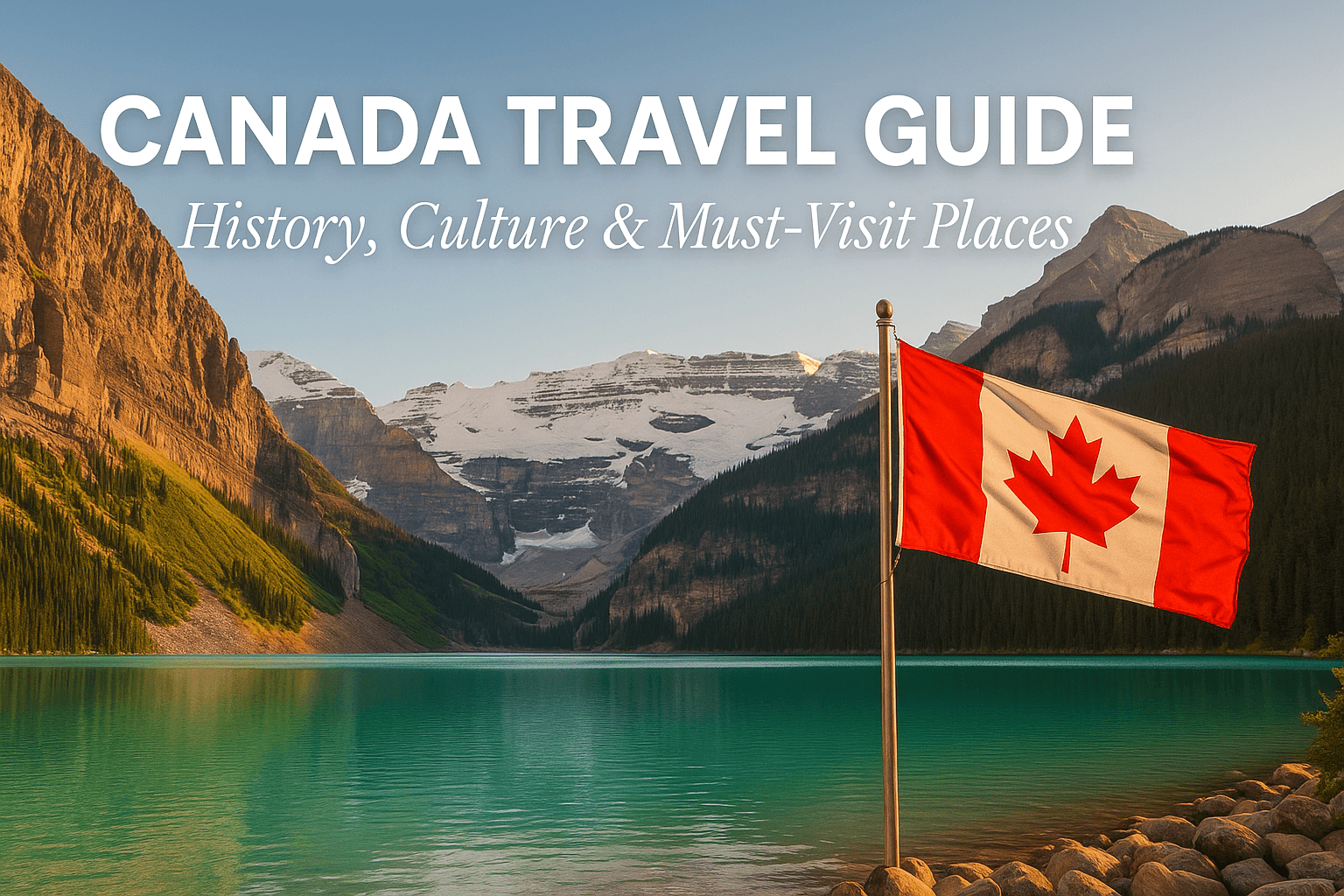
Introduction
Stretching from the Atlantic to the Pacific and up to the Arctic Circle, Canada is the second-largest country in the world by land area. It is a vast and diverse country. Canada draws millions of tourists each year because of its breathtaking natural beauty, diverse population, and excellent standard of living. From the snow-capped peaks of the Rocky Mountains to the busy streets of Toronto and Montreal, Canada has something to offer everyone with its rich history, booming economy, and captivating culture.
History of Canada
Early Indigenous Civilizations
Indigenous peoples inhabited what is now Canada for thousands of years prior to the arrival of European settlers. As the nation’s climates and landscapes changed, First Nations, Inuit, and Métis communities created a variety of cultures, languages, and customs. Indigenous people have been in Canada for at least 12,000 years, according to archaeological evidence.
European Exploration and Colonization
European explorers like Jacques Cartier and John Cabot (Giovanni Caboto) started investigating the North American coast in the late 15th century. In the early 17th century, the British claimed lands along the Atlantic coast, while the French founded the colony of New France along the St. Lawrence River.
Conflicts and Treaties
France and Britain fought each other for control of Canada in the 18th century, with the British winning the Seven Years’ War (1756–1763). French territories were formally given to Britain by the Treaty of Paris (1763). Later, the political landscape was shaped by tensions between communities that spoke French and English.
Path to Confederation
With the Confederation of Ontario, Quebec, New Brunswick, and Nova Scotia, Canada gained its independence and became a Dominion under the British Empire on July 1, 1867. Canada became what it is today as more provinces and territories joined over time.
Modern Canada
The Constitution Act of 1982 gave Canada complete sovereignty while preserving its constitutional monarchy status, in which the British monarch serves as the head of state. Canada is now known for its multiculturalism, democratic governance, and significant contribution to international peacekeeping.
Geography of Canada
Location and Size
Canada is a country in North America that shares borders with Alaska to the north and the United States to the south. The Atlantic Ocean is to the east, the Pacific Ocean is to the west, and the Arctic Ocean is to the north.
- Coordinates: Approx. 56.1304° N latitude, 106.3468° W longitude
- Area: 9.98 million square kilometers
Provinces and Territories
Each of Canada’s ten provinces and three territories has its own distinct geography and culture. Newfoundland’s coastal cliffs, Manitoba’s expansive prairies, and British Columbia’s majestic mountains are just a few of the nation’s varied landscapes.
Climate
Because of its size, Canada experiences a wide range of climates, from temperate coastal weather in the west to Arctic cold in the north. In most places, winters are long and snowy, but in the south, summers can be hot and muggy.
Culture of Canada
Multiculturalism
Canada takes great pride in being one of the world’s most multicultural nations. With sizable populations from Asia, Europe, Africa, and Latin America, immigration laws promote diversity.
Languages
English and French are the two official languages of Canada. While French is the main language in Quebec and some areas of New Brunswick, English is the dominant language in the majority of provinces.
Religion
Canada’s multiculturalism is reflected in its religious diversity. The most popular religion is Christianity, which is followed by Buddhism, Sikhism, Islam, Hinduism, and Judaism. A large portion of Canadians consider themselves to be nonreligious.
Festivals
Popular festivals include:

- Canada Day (July 1) – Celebrating the nation’s founding.
- Montreal International Jazz Festival – The largest jazz festival in the world.
- Calgary Stampede – A famous rodeo and exhibition.
- Winterlude (Ottawa) – Celebrating winter culture.

Cuisine
Indigenous customs and foreign influences are combined in Canadian cuisine. Among the iconic dishes are:

- Poutine – Fries topped with cheese curds and gravy.
- Maple Syrup – A staple of Canadian breakfasts.
- Butter Tarts – Sweet pastry filled with butter, sugar, and eggs.
- Nanaimo Bars – No-bake layered dessert from British Columbia.
Economy of Canada
Overview
With a nominal GDP ranking in the top 10, Canada boasts one of the biggest economies in the world. It is renowned for its abundant natural resources, robust banking system, and high standard of living.
Currency
The official currency is the Canadian Dollar (CAD).
Major Industries
- Natural Resources: Oil, natural gas, timber, and minerals.
- Manufacturing: Automobiles, aerospace, and technology products.
- Agriculture: Wheat, canola, dairy, and seafood.
- Services: Finance, healthcare, education, and tourism.
Trade Partners
Canada’s main trade partners include:
- United States (largest partner)
- China
- United Kingdom
- Japan
- Mexico
Global Economic Role
Canada is a member of the World Trade Organisation (WTO), the G20, and the G7. The nation actively takes part in free trade agreements like the USMCA.
Tourism in Canada
For tourists who want to experience history, culture, and nature all at once, Canada is a dream destination. With cities that combine modern living with historic charm and landscapes that range from rocky coastlines to snow-capped peaks, Canada has something to offer every type of traveler.
Natural Attractions
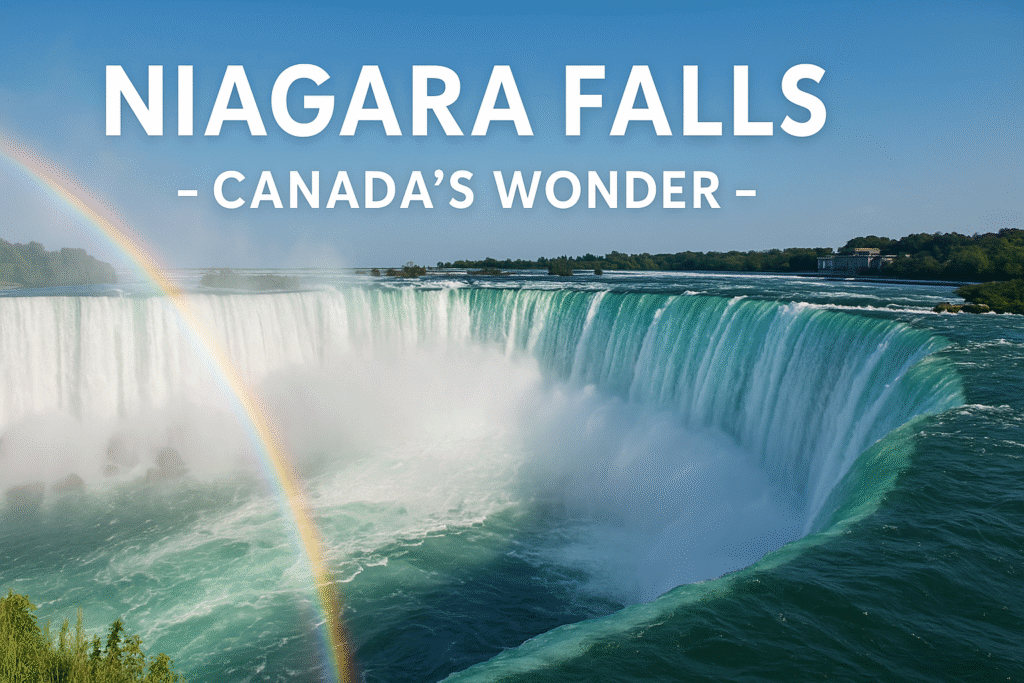
- Canada’s first national park, Banff National Park in Alberta, is renowned for its turquoise lakes, such as Lake Louise and Moraine Lake, which are surrounded by the majestic Rocky Mountains.
- One of the most well-known waterfalls in the world, shared with the United States, is Niagara Falls in Ontario.
- With its striking fjords and geological marvels, Gros Morne National Park in Newfoundland and Labrador is a UNESCO World Heritage Site.
- The Bay of Fundy in New Brunswick, Nova Scotia, is well-known for having the world’s highest tides.
- Part of the world’s largest dark sky preserve, Jasper National Park in Alberta is a stargazer’s paradise.
Historic and Cultural Attractions
- Quebec’s Old Quebec City is a walled city with cobblestone streets and French colonial architecture that is listed by UNESCO.
- With its Gothic Revival structures and ceremonial activities, Parliament Hill in Ottawa is Canada’s political centre.
- One of the biggest museums in North America, the Royal Ontario Museum in Toronto showcases art, culture, and natural history.
- The Winnipeg-based Canadian Museum for Human Rights is committed to raising awareness of human rights around the world.
Adventure and Outdoor Activities
- Skiing and snowboarding: One of the best ski resorts in the world is Whistler Blackcomb in British Columbia.
- Hiking: Beautiful vistas can be seen from trails like the Skyline Trail in Nova Scotia and the West Coast Trail in British Columbia.
- Wildlife Viewing: Take in whales off the coasts of British Columbia and Newfoundland, or polar bears in Churchill, Manitoba.
Languages of Canada
Canada has two official languages:
- English – Spoken by approximately 75% of Canadians.
- French – Predominant in Quebec and parts of New Brunswick and Manitoba.
Punjabi, Mandarin, Spanish, Tagalog, Arabic, and Cree are among the other widely spoken languages that represent Canada’s immigrant diversity.
Official signs, government services, and product packaging are available in both French and English, and the Canadian government encourages bilingualism.
Interesting Facts About Canada

- Canada boasts the longest coastline in the world, spanning over 202,000 kilometres.
- Most Lakes: More than 31,000 lakes, including the US-shared Great Lakes.
- Over 70% of the world’s maple syrup is produced by Maple Syrup Leader, primarily in Quebec.
- Cold Records: In Yukon in 1947, the lowest temperature ever recorded was -63°C.
- National Symbol: The maple leaf, which symbolises harmony and peace, is seen on the flag of the country.
- Ice Hockey Craze: Hockey is a part of Canada’s identity and its national winter sport.
Canada in International Organizations
Being a global leader in trade, diplomacy, and peacekeeping is reflected in Canada’s active participation in important international organisations.
United Nations (UN)
- since November 9, 1945, as a member.
- contributes to international humanitarian relief and peacekeeping efforts.
Other Global Organizations
- Global economic policy is influenced by the G7 and G20.
- International security is influenced by NATO.
- Free and fair trade is supported by the World Trade Organisation (WTO).
- The French language and culture are promoted worldwide by the Organisation Internationale de la Francophonie (OIF).
- OECD: Focusses on policy coordination and economic development.
More information about Canada’s involvement in the UN can be found on the United Nations website.
Major Cities in Canada
Urban areas in Canada are centres of business, culture, and education, and they all provide distinctive experiences.
Ottawa (Capital City)
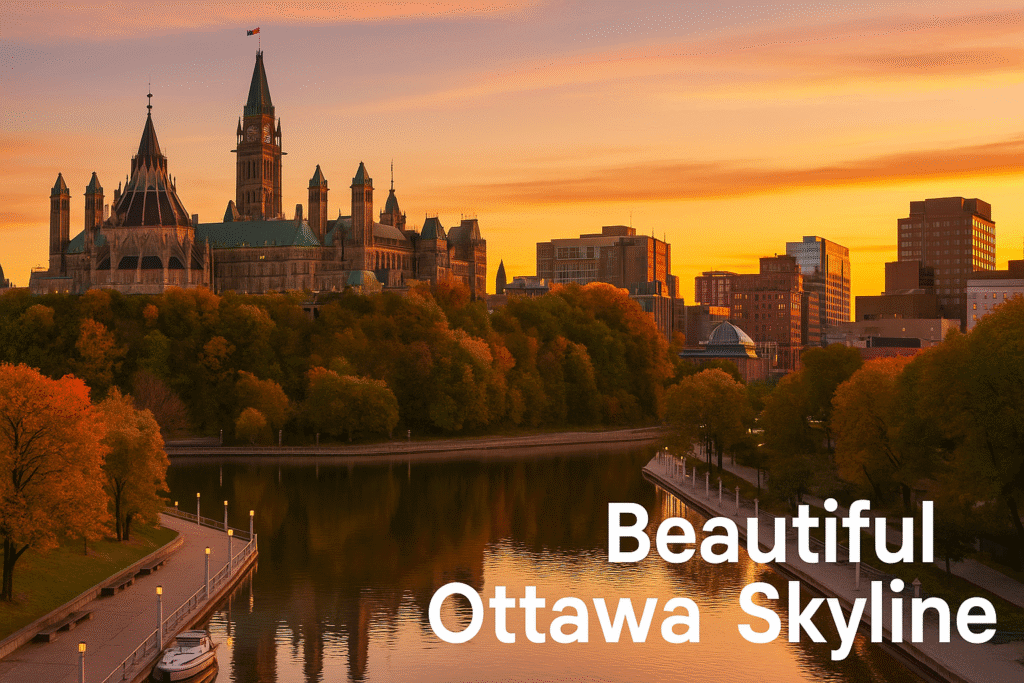
- The political hub of Ontario is Ottawa, which is also home to Parliament Hill, the Rideau Canal, and a number of museums.
- renowned for its historic architecture and bilingualism.
Toronto
- The biggest city and financial centre in Canada.
- renowned for its world-class cuisine, multicultural neighbourhoods, and CN Tower.
Vancouver
- A gem on the west coast, encircled by the ocean and mountains.
- renowned for its accessible outdoor activities, film industry, and temperate climate.
Montreal

- the centre of French-speaking Canada’s culture.
- offers fine dining, festivals, and historic Old Montreal.
Calgary
- renowned for being close to the Rocky Mountains and for the Calgary Stampede.
Edmonton
- renowned for having one of the biggest shopping malls in the world, the West Edmonton Mall.
Quebec City
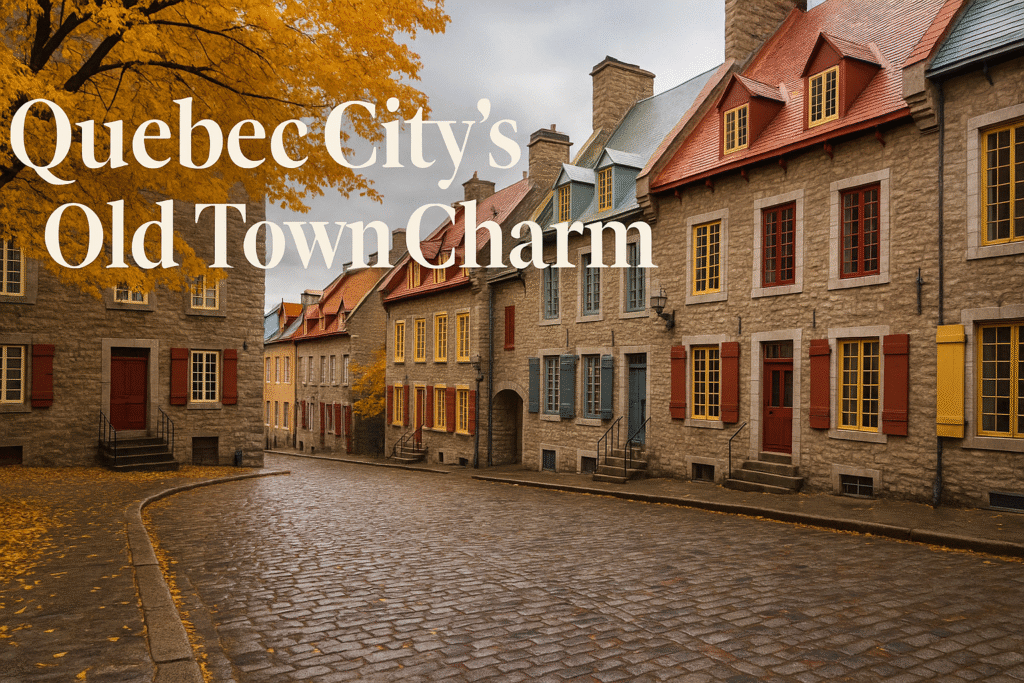
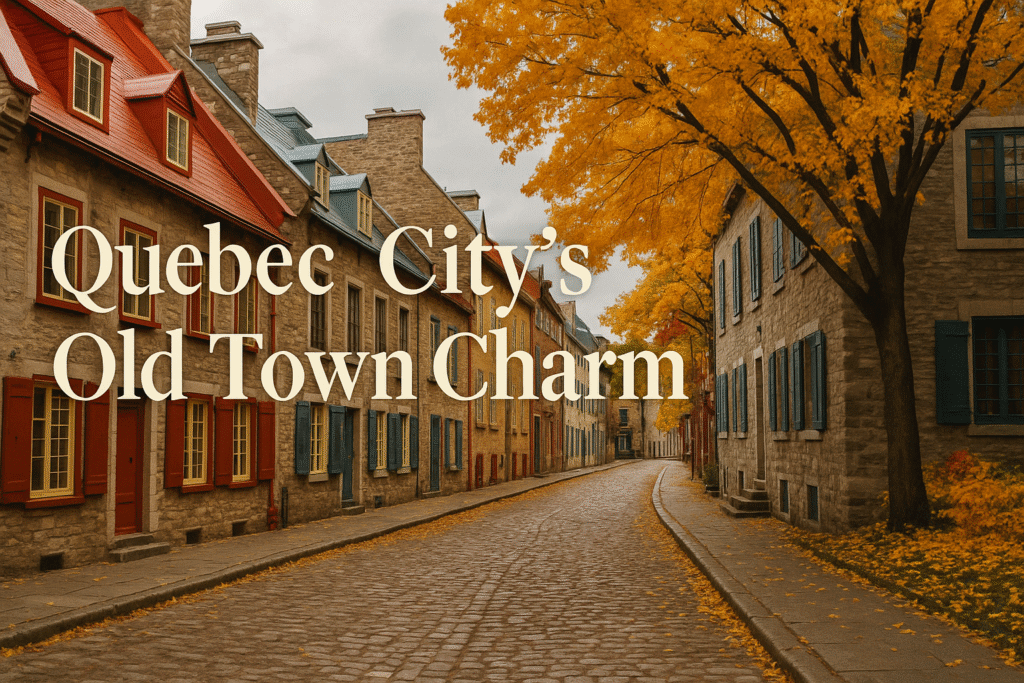
- A richly French walled city in the European style.
Best Time to Visit Canada
Although Canada is a year-round travel destination, the ideal time to go will depend on your interests and activities.
Spring (March–May)
- pleasant weather and scenery in bloom.
- Perfect for exploring the city and avoiding crowds at attractions.
Summer (June–August)
- Festivals, warm weather, and outdoor pursuits.
- The ideal season for national park exploration, hiking, and camping.
- well-liked in places like Montreal, Vancouver, and Toronto.
Autumn (September–November)
- Beautiful autumn foliage, particularly in Quebec and Ontario.
- less tourists and cooler temperatures.
Winter (December–February)
- Ideal for winter festivals, snowboarding, and skiing.
- This is the time of year when Quebec City, Banff, and Whistler shine.
Advice: Late spring (May) and early autumn (September) are the best times to visit if you want nice weather and fewer tourists.
How to Travel Around Canada
Travelling within Canada necessitates preparation due to its vast size.
By Air
- the quickest method for travelling long distances.
- Porter Airlines, WestJet, and Air Canada are major airlines.
By Train
- From Toronto to Vancouver, VIA Rail provides picturesque cross-country routes like “The Canadian.”
- In the west, Rocky Mountaineer offers opulent train experiences.
By Bus
- Greyhound Canada (some services are now regional) and Megabus offer reasonably priced intercity travel.
By Car
- Perfect for visiting national parks and rural areas.
- The Cabot Trail and the Icefields Parkway are popular road trips.
By Public Transit
- Large cities have effective tram, bus, and metro systems.
- Notable examples are Vancouver (TransLink), Toronto (TTC), and Montreal (STM).
Final Summary
Millions of tourists visit Canada every year because it is a huge, stunning, and culturally diverse nation. Every traveler can find something they enjoy in Canada, from the snow-capped Rockies to the historic streets of Quebec City, from bustling cities to peaceful wilderness. Canada is a leader in quality of life and international cooperation because of its robust economy, diversified population, and dedication to protecting its natural wonders.
Canada has everything you could possibly want, including history in quaint old towns, adventure in the mountains, and international cuisine. Choose the ideal time of year to visit and discover the nation’s many facets; you’ll want to go back time and time again.
Table of Key Facts about Canada
| Feature | Details |
| Official Name | Canada |
| Capital | Ottawa |
| Largest City | Toronto |
| Official Languages | English, French |
| Population | ~40 million (2025 estimate) |
| Area | 9.98 million sq km |
| Currency | Canadian Dollar (CAD) |
| Continent | North America |
| Neighboring Country | United States |
| Coastline Length | ~202,000 km |
| Climate | Varies from Arctic to temperate |
| Major Industries | Natural resources, manufacturing, services |
| UN Membership | Since November 9, 1945 |
| National Sport | Ice Hockey (winter), Lacrosse (summer) |
| Famous Dishes | Poutine, Butter Tarts, Maple Syrup |
| Top Tourist Spots | Banff, Niagara Falls, Quebec City |
Official & Government Resources
- Government of Canada – Travel & Tourism
🔗 https://travel.gc.ca/
(Official tourism, travel advisories, and visitor information.) - Destination Canada – Official Tourism Board
🔗 https://www.destinationcanada.com/
(In-depth guides, attractions, and travel inspiration.) - Statistics Canada
🔗 https://www.statcan.gc.ca/
(Facts, figures, and economic insights about Canada.)
Cultural & Historical Information
- Canadian Museum of History
🔗 https://www.historymuseum.ca/
(Explore Canadian history, heritage, and exhibitions.) - The Canadian Encyclopedia
🔗 https://www.thecanadianencyclopedia.ca/
(Comprehensive articles about Canada’s culture, geography, and history.)
Nature & Landmarks
- Parks Canada
🔗 https://parks.canada.ca/
(Information on Canada’s national parks, heritage sites, and camping.) - Niagara Falls Tourism
🔗 https://www.niagarafallstourism.com/
(Official visitor guide to Niagara Falls.)
Travel Planning
- Air Canada – Flights & Travel Tips
🔗 https://www.aircanada.com/
(Flight bookings and Canada-specific travel resources.) - Via Rail Canada
🔗 https://www.viarail.ca/
(Train travel options across Canada.) - Lonely Planet – Canada
🔗 https://www.lonelyplanet.com/canada
(Travel itineraries, tips, and recommendations.)
Visit More:
- Afghanistan 👈
- Albania 👈
- Algeria 👈
- Andorra 👈
- Angola 👈
- Antigua and Barbuda 👈
- Argentina 👈
- Armenia 👈
- Australia 👈
- Austria 👈
- Azerbaijan 👈
B
12. Bahamas 👈
13. Bahrain 👈
14. Bangladesh 👈
15. Barbados 👈
16. Belarus 👈
17. Belgium 👈
18. Belize 👈
19. Benin 👈
20. Bhutan 👈
21. Bolivia 👈
22. Bosnia and Herzegovina 👈
23. Botswana 👈
24. Brazil 👈
25. Brunei 👈
26. Bulgaria 👈
27. Burkina Faso 👈
28. Burundi 👈



[…] 32.Canada – History, Culture, Economy & Travel Guide […]
[…] 32.Canada – History, Culture, Economy & Travel Guide […]