


🇧🇬 Bulgaria: A Jewel of the Balkans
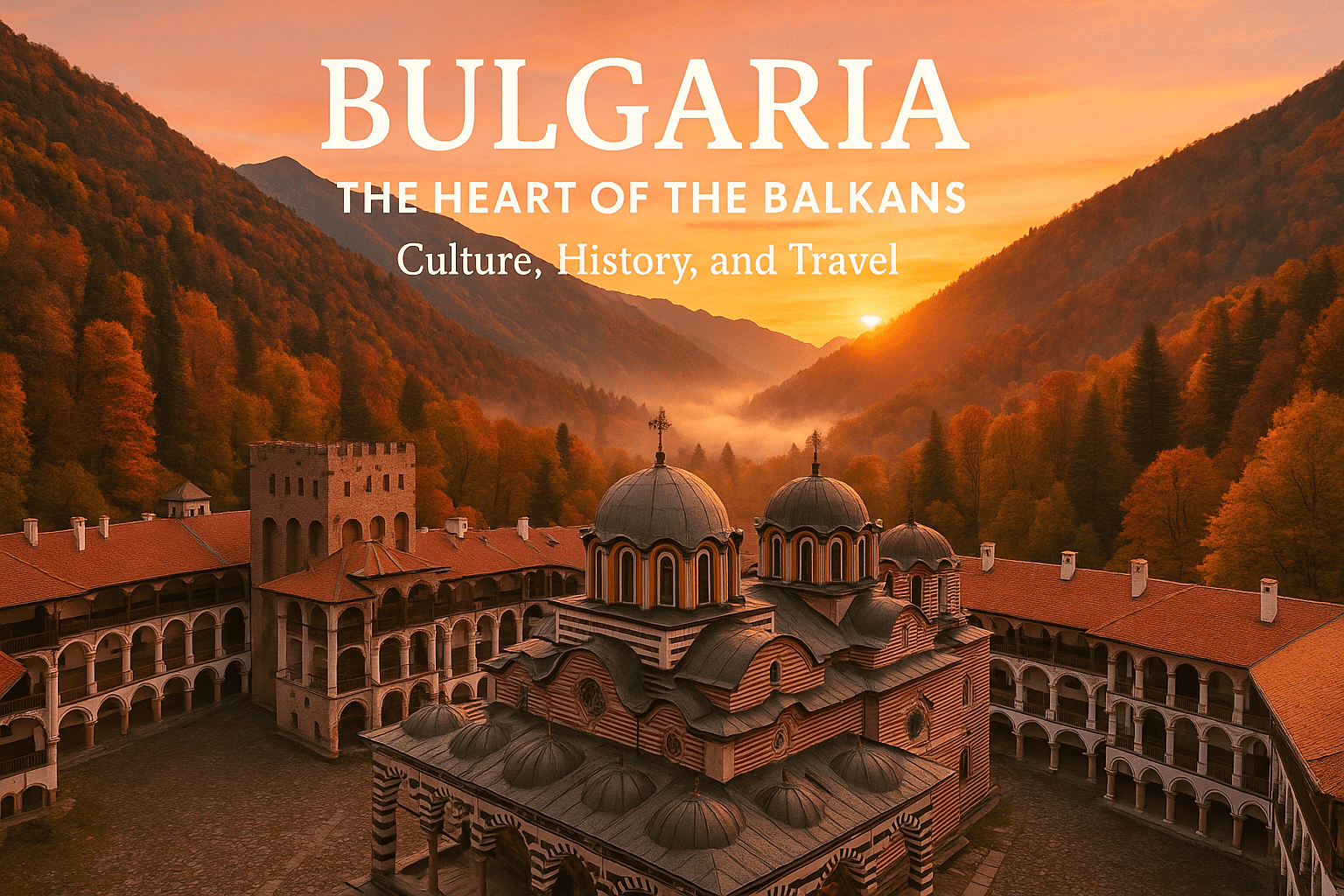
Travellers are frequently surprised by Bulgaria, a country in southeast Europe that offers a mesmerising fusion of ancient heritage and contemporary vibrancy. Bulgaria is a land of extraordinary diversity, from its golden beaches and snow-capped mountains to its rich historical treasures and folklore.
Bulgaria is one of the oldest civilisations in Europe, with roots that go back more than 7,000 years. As a United Nations and European Union member, the nation today strikes a balance between its long-standing customs and its spirit of innovation. Bulgaria has something special to offer everyone, whether they are history buffs, nature lovers, or foodies.
🏛️ History of Bulgaria: A Land of Ancient Civilizations
According to archaeological discoveries, Bulgaria’s history dates back to the Neolithic Era. Among the first inhabitants were the Indo-European Thracians, who were renowned for their goldsmithing and artistic abilities.
🗿 Key Historical Milestones:
- One of Europe’s oldest continuous states, the First Bulgarian Empire, was founded in 681 AD.
- Tsar Boris I’s conversion to Christianity in 864 AD.
- Following the collapse of the First Empire, Byzantine rule lasted from 1018 to 1185.
- The rise and cultural revival of the Second Bulgarian Empire, 1185–1396.
- Ottoman rule from 1396 to 1878 lasted for almost 500 years.
- The modern Bulgarian state was established and liberated in 1878.
- Socialist Republic under Soviet influence, 1946–1989.
- Bulgaria becomes a member of the European Union in 2007.
Bulgaria has always acted as a geographical and cultural link between the East and the West.
🌍 Geographical Location of Bulgaria
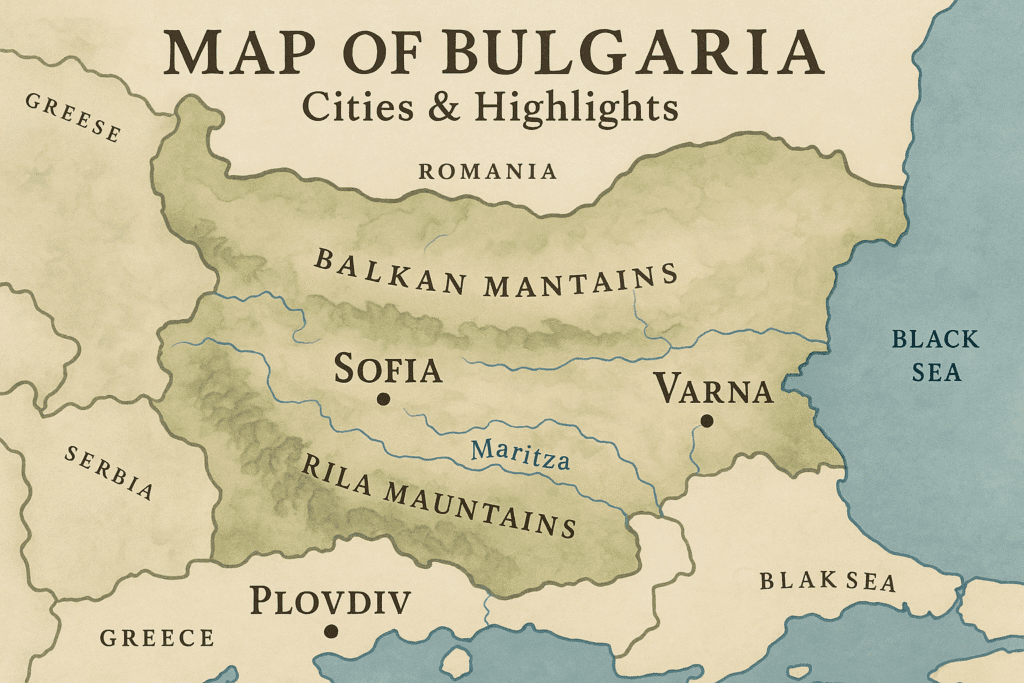
Bulgaria is situated on the Balkan Peninsula in southeast Europe. It is situated at the meeting point of Europe and Asia due to its strategic location.
📍 Coordinates & Borders:
- Coordinates: 42.7339° N, 25.4858° E
- Continent: Europe
- Bordering Countries:
- North: Romania (along the Danube River)
- West: Serbia and North Macedonia
- South: Greece and Turkey
- East: Black Sea coastline (~378 km long)
- North: Romania (along the Danube River)
The country is known for its varied topography, featuring:
- The Stara Planina, or Balkan Mountains
- The Rila Mountains, which are home to Musala, the highest peak in the Balkans at 2,925 meters
- The Mountains of Rhodope
- The Plain of Thracia
- Black Sea coastline beaches
Bulgaria is perfect for hiking, skiing, and beach vacations because of its diverse natural environment.
🎭 Bulgarian Culture: Rich, Vibrant, and Deeply Rooted
After centuries of liberation and conquest, Bulgaria has one of Europe’s most vibrant cultural legacies.
📿 Religion and Spirituality
- The majority religion (about 60% of the population) is Eastern Orthodox Christianity.
- Many monasteries are architectural and spiritual masterpieces, such as the UNESCO-listed Rila Monastery.
- The peaceful coexistence of the Jewish, Muslim, and Christian communities is a clear example of religious tolerance.
🧶 Traditions and Folklore
- Nestinarstvo: An ethereal fire-dancing custom in eastern Bulgaria.
- Wearing red and white Martenički bracelets is a sign of good health on Baba Marta Day (March 1).
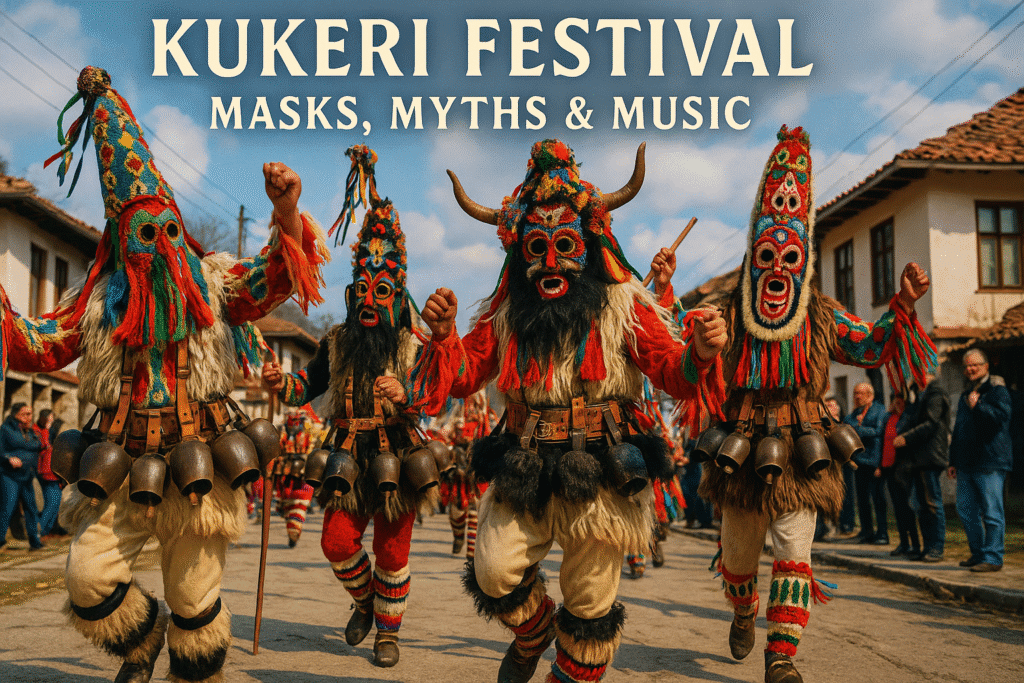
- Kukeri Festival: To ward off evil spirits, men don masks and ornate costumes.
🎶 Music and Dance
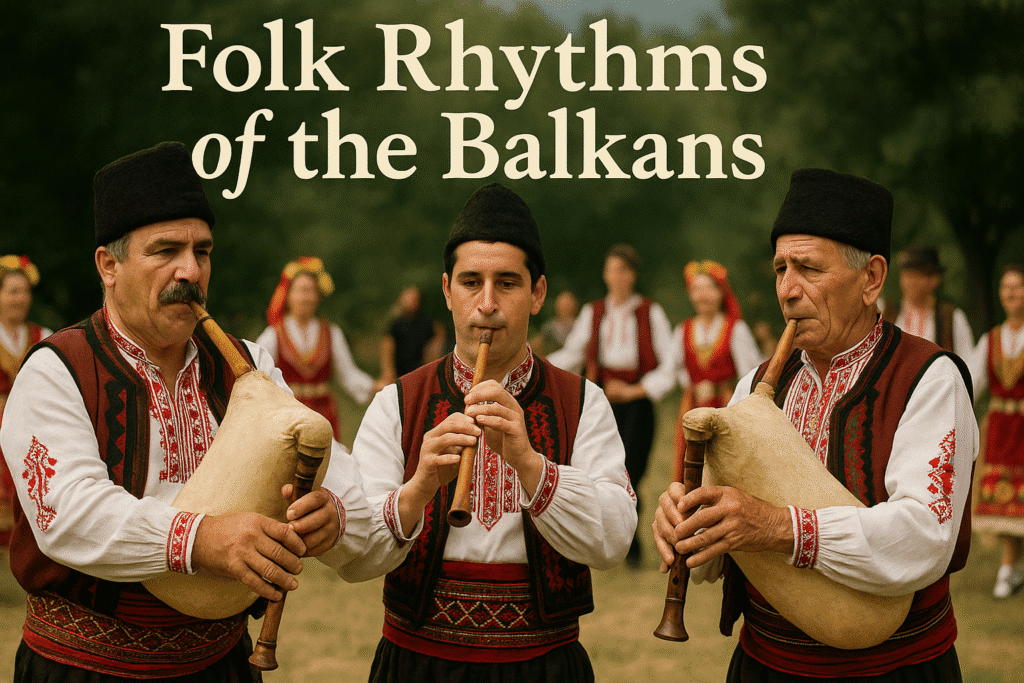
- Traditional instruments like the gaida (bagpipe) are frequently used to accompany the intricate rhythms and harmonies of Bulgarian folk music.
- Horo: A round folk dance that is done at weddings and festivals.
🍲 Bulgarian Cuisine
Bulgarian cuisine, which is hearty and flavourful, is influenced by Slavic, Greek, and Turkish cuisines:
- Banitsa: An egg and cheese pastry.
- Shopska Salad: Cucumbers, onions, tomatoes, and sirene cheese, which resembles feta.
- Kebapche: Rolls with minced meat on a grill.
- Thanks to Lactobacillus bulgaricus, yoghurt (Kiselo Mlyako) is well-known throughout the world for its health benefits.
💰 Bulgaria’s Economy and Trade
The World Bank categorises Bulgaria’s economy as upper-middle income. It is a member of the European Union and uses the Euro-pegged Bulgarian Lev (BGN) as its currency.
📈 Economic Overview:
- Key Industries:
- IT and Software Development
- Tourism
- Agriculture (rose oil, wine, sunflower)
- Machinery and equipment
- Textile and clothing
- IT and Software Development
- Top Trade Partners:
- Germany, Italy, Romania, Turkey, Greece, France
- Germany, Italy, Romania, Turkey, Greece, France
- Exports:
- clothing, agricultural products, machinery, electrical equipment, and refined fuels.
- clothing, agricultural products, machinery, electrical equipment, and refined fuels.
- Imports:
- Petroleum, electronics, industrial materials.
- Petroleum, electronics, industrial materials.
Bulgaria’s growing tech infrastructure and low cost of living have also made it a popular destination for digital nomads.
🎭 Culture of Bulgaria
Traditions and Customs
Centuries of history have moulded Bulgarian, Slavic, and Thracian customs into a distinctive whole. Throughout national festivals and everyday life in rural areas, Bulgarian folk customs, music, and crafts are still practiced. Bulgarians exchange red-and-white tassels, known as Martenitsa, to wish each other health and happiness on Martisor (March 1st), one of the most cherished customs.
Weddings and name-day festivities, which include music, dance (horo), and copious amounts of food, are also culturally significant.
Religion and Spiritual Life
With more than 75% of the population practicing Eastern Orthodox Christianity, it is the most common religion in Bulgaria. Ancient monasteries like Rila Monastery are emblems of Bulgarian pride, and the country’s customs and architecture are greatly influenced by the Bulgarian Orthodox Church.
Protestantism, Catholicism, and Islam are examples of other religions. Holidays like Ramadan, Christmas, and Easter are observed by all communities in Bulgaria, which is renowned for its religious tolerance.
Festivals
Festivals and rituals are beloved by Bulgarians, and they highlight the country’s lively culture. Important festivals consist of:
- The Kukeri Festival is a customary spring celebration in which dancers wearing masks ward off evil spirits.
- Kazanlak’s Rose Festival honours Bulgaria’s renowned rose oil sector.
- The Surva Festival features masked folk dancers and is listed by UNESCO.
- Baba Marta Day is a springtime tradition that represents health and rebirth.
Music and Dance
The intricate rhythms and harmonies of traditional Bulgarian music are well-known. Instruments used in folk music include the tupan (drum), kaval (wooden flute), and gaida (bagpipe). International praise has been bestowed upon vocal groups such as Le Mystère des Voix Bulgares.
A mainstay at weddings and festivals, the horo dance, which is performed in circles or lines, symbolises continuity and unity.
Bulgarian Cuisine
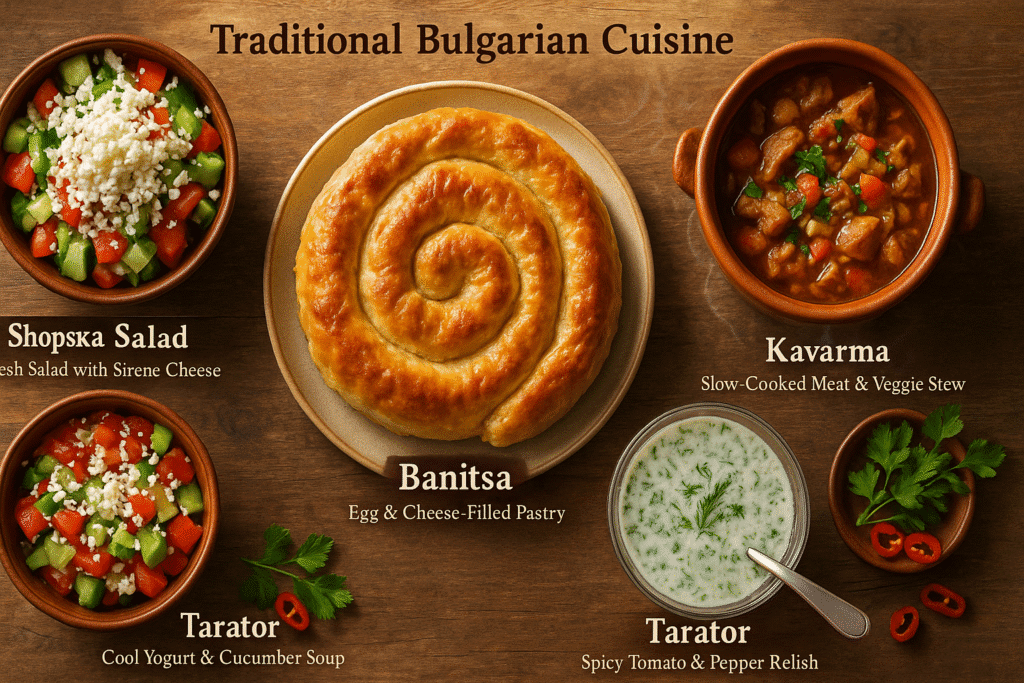
Balkan, Mediterranean, and Ottoman influences can all be found in Bulgarian cuisine. Dairy products and seasonal, fresh ingredients are highlighted.
Popular dishes include:
- Banitsa: An egg and cheese-filled pastry.
- Shopska Salad: Peppers, onions, tomatoes, cucumbers, and sirene cheese.
- Kavarma is a stew made with slow-cooked meat and vegetables.
- Tarator: A chilled soup made with yoghurt and cucumbers.
- Lyutenitsa: A fiery relish made with tomatoes and peppers.
A national treasure, yoghurt (kiselo mlyako) is thought to contain the rare Lactobacillus bulgaricus bacteria.
💰 Economy of Bulgaria
Overview
Agriculture, industry, and services all contribute to Bulgaria’s diverse economy. The nation has seen modest growth and foreign investment since joining the EU in 2007.
- GDP (2024 est.): ~$90 billion USD
- Currency: Bulgarian Lev (BGN), pegged to the Euro
- Unemployment Rate: ~5.5%
- Inflation Rate: ~6.8% (2024)
Major Industries
- Information Technology: Bulgaria boasts a thriving tech start-up ecosystem and is a major outsourcing destination.
- With the help of winter, cultural, and natural attractions, tourism contributes significantly to the GDP.
- Energy: Bulgaria is moving towards renewable energy sources and generates hydroelectric and nuclear power.
- Agriculture: Important exports include wheat, sunflower, rose oil, and wine.
- Manufacturing includes food processing, textiles, automobile parts, and machinery.
Trade and Global Partners
Bulgaria trades mostly with EU countries. Top export and import partners include:
- Germany
- Italy
- Romania
- Turkey
- Greece
It is a member of the European Customs Union and Single Market.
🗺️ Top Tourist Attractions in Bulgaria
From beaches and mountains to mediaeval towns and monasteries, Bulgaria has a lot to offer visitors.
Natural Wonders
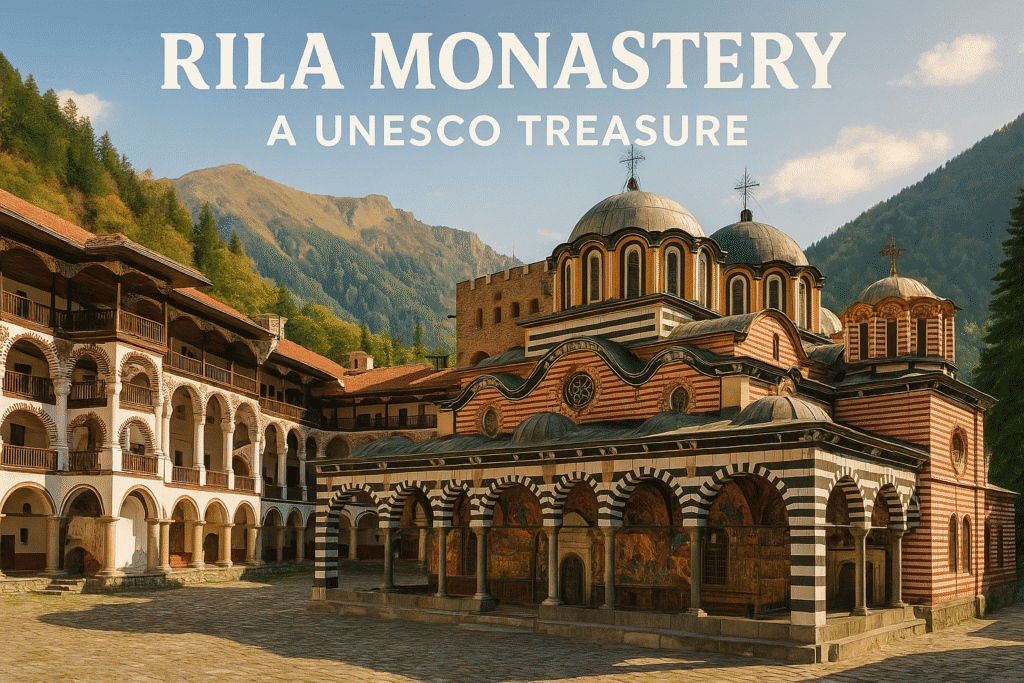
- The most well-known monastery in Bulgaria and a UNESCO site are the Rila Mountains and Rila Monastery.
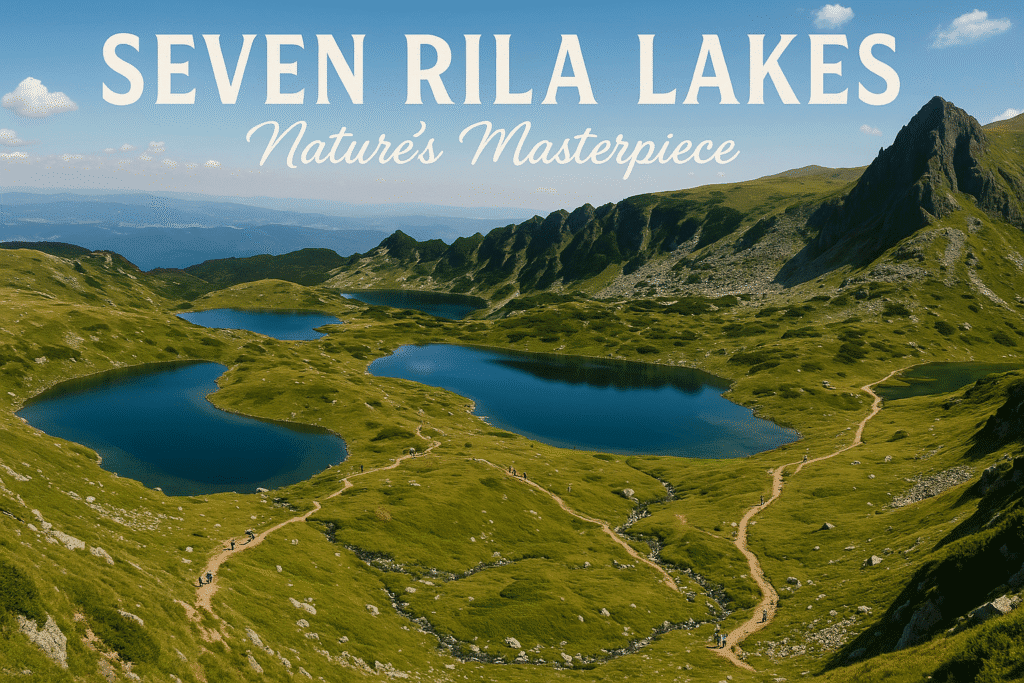
- The Seven Rila Lakes are a group of glacial lakes that are ideal for hiking.
- A UNESCO World Heritage Site is Pirin National Park.
- Belogradchik Rocks: Magnificent fortress and natural rock formations.
- Vitosha Mountain is reachable by foot and ski from Sofia.
Cultural and Historical Sites
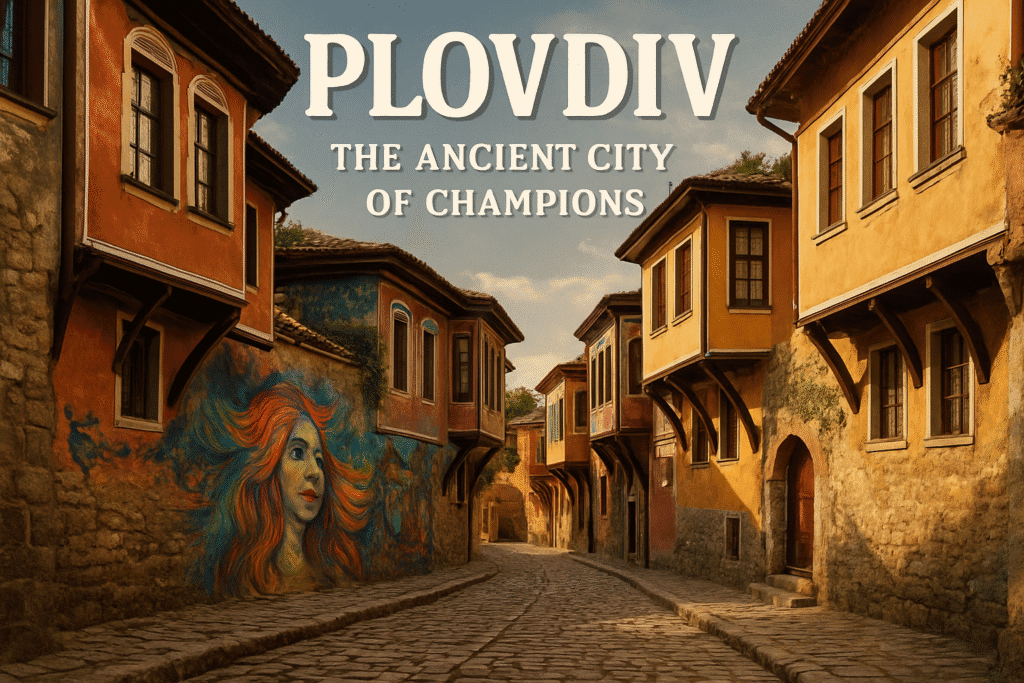
- One of Europe’s oldest cities, Plovdiv Old Town is home to vibrant homes and Roman ruins.
- Nessebar is a town on the Black Sea with cobblestone streets and mediaeval churches.
- The Tsarevets Fortress is located in the historic capital, Veliko Tarnovo.
- The UNESCO-protected Kazanlak Thracian Tomb is an ancient burial site.
Coastal Destinations
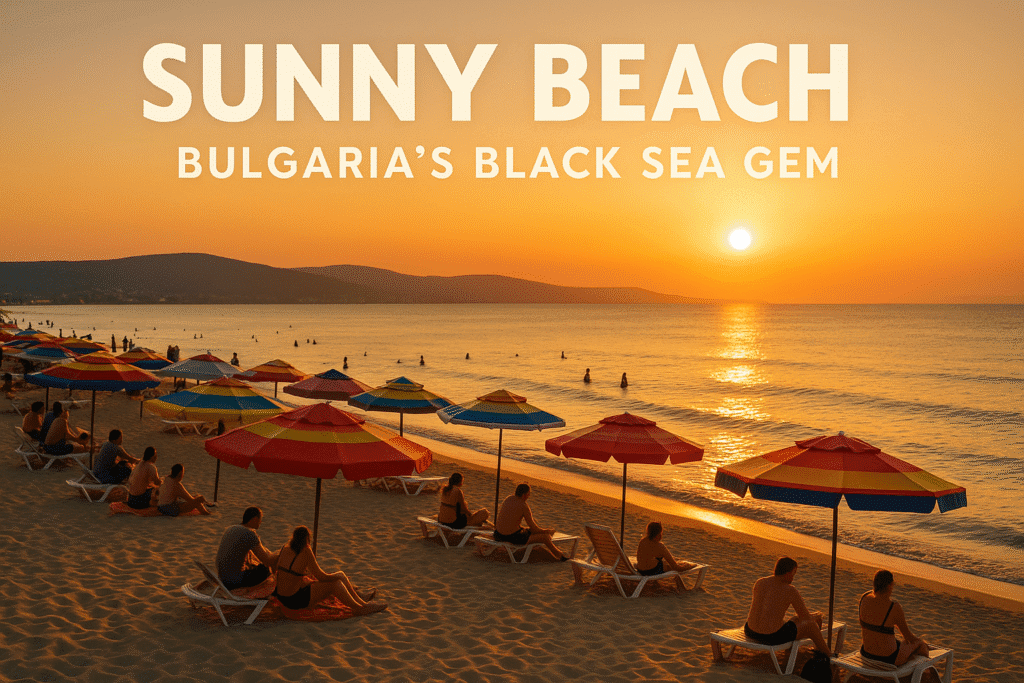
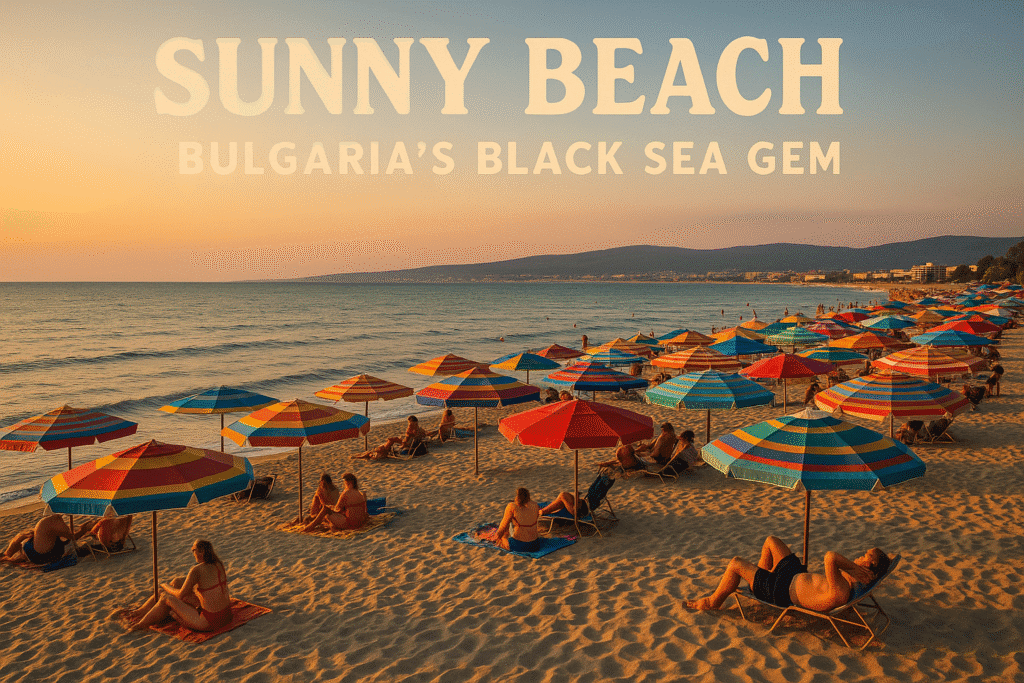
- Sunny Beach is a well-liked beachside resort with a lively nightlife.
- Charming seaside towns with a rich history are Sozopol and Balchik.
- Golden Sands: Family-friendly beaches close to Varna.
Major Cities in Bulgaria
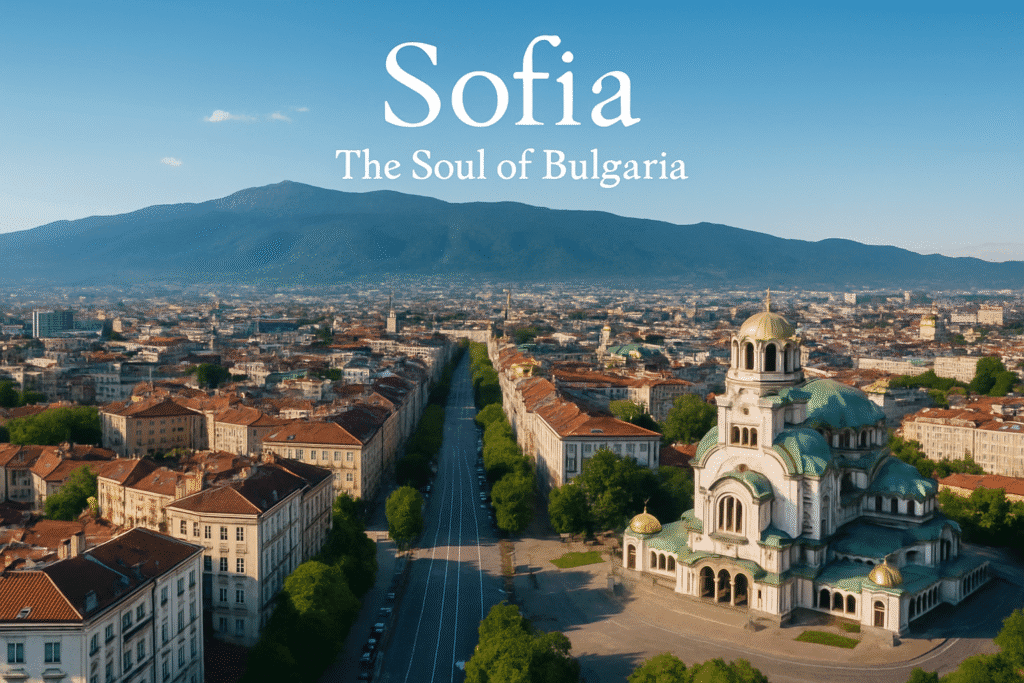
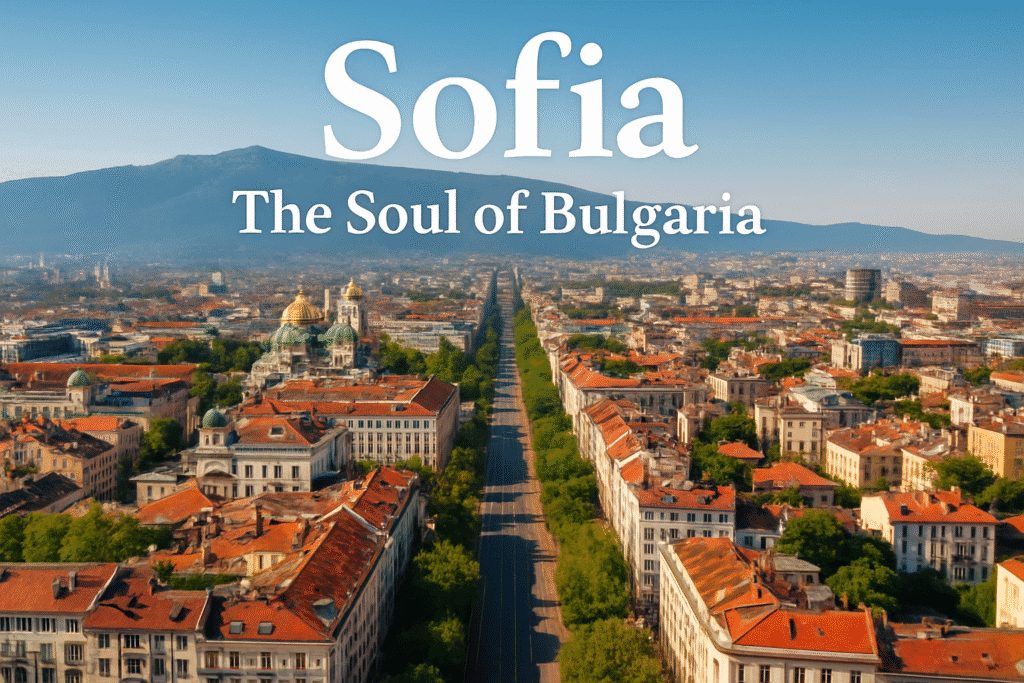
- The capital, Sofia, is a centre of politics and culture and is the location of the Alexander Nevsky Cathedral.
- The oldest continuously inhabited city in Europe, Plovdiv boasts a thriving arts scene and Roman ruins.
- Varna is a Black Seaside city well-known for its port and beaches.
- Known for its festivals and birdwatching, Burgas is the entry point to the southern Black Sea coast.
- Ruse: Known as “Little Vienna,” this city on the Danube River features neoclassical architecture.
Best Time to Visit Bulgaria
- The best seasons are spring (April–June) and autumn (September–October).
- Beach tourism in the summer (July–August).
- Bansko and Pamporovo offer skiing in the winter months of December through February.
Transportation and Travel Tips
- Domestic transportation options include buses, trains, and rental cars.
- Burgas (BOJ), Varna (VAR), and Sofia Airport (SOF) provide international access.
- Public transport: In large cities, buses and metros are reasonably priced.
- Learn some basic phrases in Bulgarian using the Cyrillic alphabet.
Final Summary
Bulgaria is a historically rich and diversified nation that offers a singular fusion of modern development, natural wonders, and Eastern European culture. Bulgaria offers a rewarding travel experience with rich traditions, welcoming locals, and reasonably priced travel options, whether you’re exploring ancient Thracian ruins, skiing in the mountains, or taking in the lively Black Sea beach resorts.
Key Facts Table
| Feature | Details |
| Capital | Sofia |
| Continent | Europe |
| Official Language | Bulgarian |
| Currency | Bulgarian Lev (BGN) |
| Major Cities | Sofia, Plovdiv, Varna, Burgas, Ruse |
| Population | ~6.5 million |
| UN Membership | Yes (since 1955) |
| Major Religion | Eastern Orthodox Christianity |
| Popular Festivals | Rose Festival, Kukeri, Martenitsa |
| Tourist Attractions | Rila Monastery, Sunny Beach, Vitosha, Plovdiv Old Town |
| UNESCO Sites | 10 World Heritage Sites (incl. Boyana Church, Madara Rider) |
UNESCO – Bulgaria World Heritage Sites
https://whc.unesco.org/en/statesparties/bg
United Nations – Bulgaria Member Profile
https://www.un.org/en/about-us/member-states/bulgaria
World Bank – Bulgaria Country Overview
https://www.worldbank.org/en/country/bulgaria
European Union – Bulgaria Factsheet
https://european-union.europa.eu/principles-countries-history/country-profiles/bulgaria_en
National Statistical Institute of Bulgaria
https://www.nsi.bg/en
Official Tourism Portal of Bulgaria
https://bulgariatravel.org/
CIA World Factbook – Bulgaria
https://www.cia.gov/the-world-factbook/countries/bulgaria/
Britannica – Bulgaria Overview
https://www.britannica.com/place/Bulgaria



[…] 26.Bulgaria Travel Guide: History, Culture, and Attractions […]
[…] 26.Bulgaria Travel Guide: History, Culture, and Attractions […]