




Introduction
Bolivia is a fascinating nation in the centre of South America with a rich cultural legacy, a variety of landscapes, and an intriguing past. Bolivia, which is well-known for its Andean peaks, expansive salt flats, and lively indigenous customs, provides visitors with an opportunity to engage with real South American culture. Bolivia offers an experience unlike any other, whether you’re drawn to the ancient ruins of Tiwanaku, the vibrant markets of La Paz, or the surreal beauty of Salar de Uyuni.
Bolivia’s history, geography, culture, economy, tourism attractions, language, and travel advice are all covered in this extensive guide. By the end, you’ll see why Bolivia is among the most rewarding and distinctive travel destinations in South America.
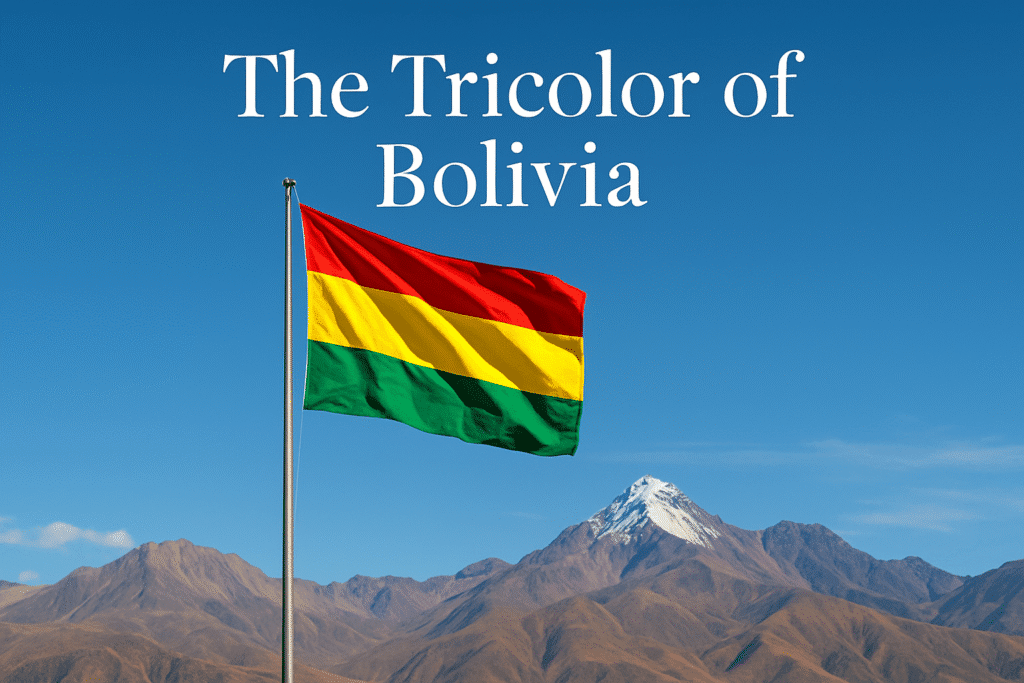
History of Bolivia – From Ancient Civilizations to Modern Nationhood
Pre-Columbian Era
The history of Bolivia is thousands of years old. The Tiwanaku, who flourished around Lake Titicaca between 500 and 1000 AD, were one of the advanced pre-Columbian civilisations that once called the area home. The Tiwanaku, known for their remarkable agricultural systems and stone architecture, established the foundation for later Andean societies.
Inca Influence
The Inca Empire had spread into modern-day Bolivia by the fifteenth century. By creating intricate networks of trade and roads, the Incas incorporated indigenous cultures into their empire. The western highlands of Bolivia, which included portions of the Altiplano, developed into important Inca administrative hubs.
Spanish Conquest and Colonial Era
Attracted by Bolivia’s abundant silver mines, particularly in Potosí, Spanish conquistadors arrived in the 16th century. The city fuelled Spain’s empire by becoming one of the richest in the world. However, forced labour in the mines led to major demographic and social upheaval, and native populations endured harsh living conditions.
Independence and Republic
Named for the revolutionary leader Simón Bolívar, Bolivia became independent of Spain in 1825. Political unrest and territorial disputes with nearby nations, including the loss of access to the Pacific Ocean during the War of the Pacific (1879–1884), characterised the early years of independence.
Modern Era
Bolivia is now a democratic republic with a thriving economy and a renewed emphasis on protecting its native culture. Bolivia’s 2009 constitution acknowledged the rights of its many indigenous groups and declared the country a “Plurinational State.”
Geography of Bolivia – Heart of South America
Location and Coordinates
Bolivia occupies an area of about 1,098,581 square kilometres and is a landlocked nation in central South America. It is located between latitudes 10° and 23°S and longitudes 57° and 69°W.
Borders and Neighboring Countries
Five nations border Bolivia:
- Brazil to the east and north
- Southeast Paraguay
- South of Argentina
- Southwest Chile
- To the west, Peru
Topography and Natural Features
The topography of Bolivia is extremely varied:
- Lake Titicaca, the highest navigable lake in the world, and La Paz, the administrative capital, are located in the Andean Highlands (Altiplano).
- The Amazon Basin is home to lush, biologically diverse rainforests in the north and northeast.
- Chaco Lowlands: Southeast arid plains.
- The largest salt flat in the world, Salar de Uyuni is a surreal white expanse that draws tourists from all over the world.
Cultural Insights into Bolivia
Traditions and Indigenous Heritage
With more than 36 recognised ethnic groups, including the Aymara, Quechua, and Guaraní, Bolivia has one of the largest indigenous populations in the Americas. Rituals, music, and attire are still very much a part of everyday life. As a sign of cultural pride, highland women frequently don bowler hats and polleras, which are layered skirts.
Religion and Festivals
Although Roman Catholicism is the most common religion, Christian customs are easily incorporated into indigenous spiritual practices. Important festivals consist of:
- Carnaval de Oruro: Parades, dances and ornate costumes are all part of this UNESCO-listed cultural event.
- La Paz’s Gran Poder Festival honours the Señor del Gran Poder through religious devotion, dance, and music.
- Tiwanaku celebrates the Aymara New Year (Willkakuti) on the winter solstice.
Music and Dance
Drums, charangos (small guitars), and pan flutes are all used in traditional music. Popular dances with strong cultural and historical roots include Morenada and the Diablada (Devil Dance).
Cuisine of Bolivia
Bolivia’s varied geography is reflected in its cuisine:
- Salteñas are meat and vegetable-filled savoury pastries.
- Api con pastel: Fried pastries are frequently served with a sweet corn-based beverage.
- Silpancho: Fried eggs, rice, and potatoes are served with breaded beef.
- Andean agricultural heritage is reflected in dishes made with quinoa.
Economy of Bolivia – Growth and Diversity
Currency
The Boliviano (BOB) is the official currency.
Major Industries
- Mining: Lithium (Bolivia has one of the largest lithium reserves in the world), silver, tin, and zinc.
- Oil and natural gas are important exports to Argentina and Brazil.
- Agriculture: Brazil nuts, quinoa, coffee, and soybeans.
- Bolivia’s natural and cultural attractions have made tourism a growing industry.
Trade Partners
Brazil, Argentina, China, the US, and India are some of Bolivia’s main trading partners.
Economic Outlook
Bolivia has seen consistent GDP growth in recent decades, despite still being among the less economically developed nations in South America. Infrastructure investment and economic diversification initiatives are still ongoing.
Tourist Attractions in Bolivia
Natural Wonders
- The largest salt flat in the world, Salar de Uyuni, provides mirror-like reflections when it rains.
- Lake Titicaca: This holy lake, which is shared with Peru, is dotted with islands that have a rich Inca past.
- In the Amazon Basin, Madidi National Park is a hotspot for biodiversity.
- The Eduardo Avaroa Andean Fauna National Reserve is well-known for its vibrant lagoons and flamingos.
Historic and Cultural Sites
- Tiwanaku: The pre-Columbian civilization’s ancient ruins.
- Sucre is Bolivia’s constitutional capital and a UNESCO World Heritage Site.
- Potosí: Due to silver mining, this city was once the richest in the world.
Official Languages and Dialects in Bolivia
As a Plurinational State, Bolivia is unique in that it recognises 37 languages officially.
- The majority of people speak Spanish, which is used in business, education, and government.
- Indigenous communities in the Andean highlands speak Quechua and Aymara.
- Uru-Chipaya, Guaraní, and Chiquitano are other indigenous languages that have received official recognition.
- Local dialects flourish in isolated areas, maintaining cultural identity and linguistic diversity.
Bolivia’s cultural legacy is closely entwined with language, and initiatives to preserve endangered indigenous languages and advance bilingual education are ongoing.
Unique and Interesting Facts about Bolivia

- Bolivia, a landlocked country with a maritime mindset, lost its coastline to Chile during the Pacific War, but it still has a navy that trains on Lake Titicaca.
- La Paz, the highest administrative capital in the world, is located approximately 3,650 meters (11,975 feet) above sea level.
- home of the world’s largest salt flat, known as the “mirror of the sky,” Salar de Uyuni.
- Coca leaves have cultural significance because they have been used in spiritual rituals and as a remedy for altitude sickness for centuries.
- Sucre, the constitutional capital, and La Paz, the administrative capital.
- Bolivia boasts a wide range of climates, from tropical lowlands to Andean peaks, from snow-capped mountains to verdant rainforests.
- With thousands of distinct plant and animal species, Bolivia is one of the world’s megadiverse nations.
Bolivia’s Role in the Global Community
Membership in the United Nations and Other Organizations
Since November 14, 1945, Bolivia has been a part of the United Nations (UN). The nation actively takes part in international debates on indigenous rights and sustainable development as well as peacekeeping operations.
Other memberships include:
- Organisation for World Trade (WTO)
- South American Union of Nations (UNASUR)
- American States Organisation (OAS)
- The International Monetary Fund (IMF)
- The World Bank
- Tiwanaku and the ancient city of Sucre are two of the Bolivian locations that have been designated as UNESCO World Heritage Sites.
Major Cities in Bolivia
La Paz – The Administrative Capital
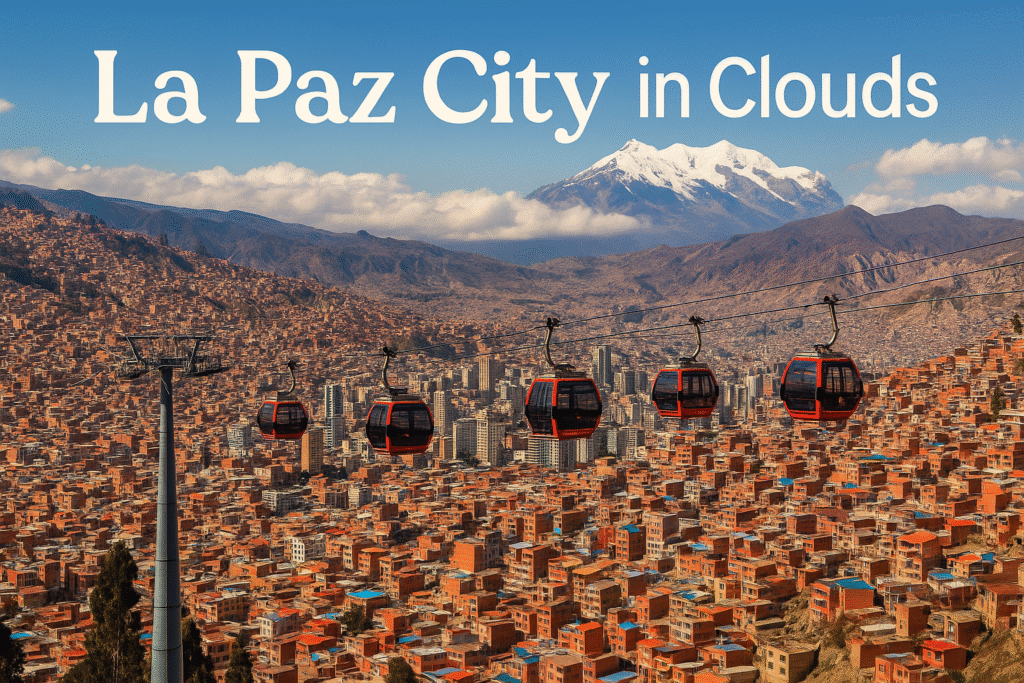
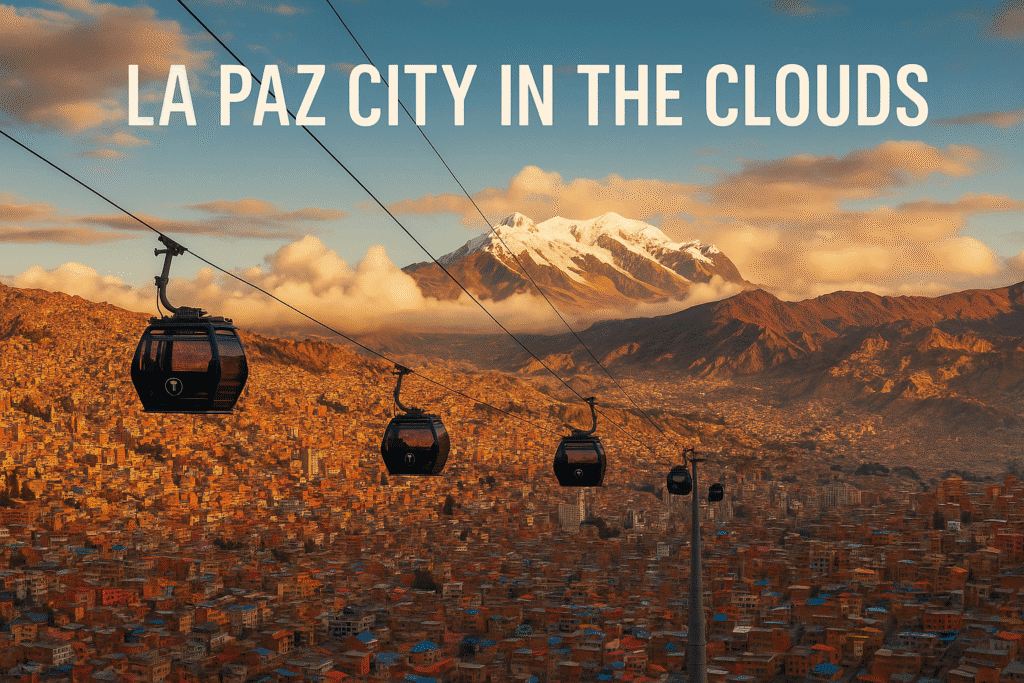
- Bolivia’s political and cultural centre is La Paz, which is tucked away in a deep valley encircled by the Andes.
- The Witches’ Market, Plaza Murillo, and Mi Teleférico—the biggest urban cable car system in the world—are among the highlights..
Sucre – The Constitutional Capital
- Because of its colonial architecture, it is referred to as the “White City.”
- a historical and culturally significant UNESCO World Heritage Site.
Santa Cruz de la Sierra
- The fastest-growing city in the nation and a major economic force.
- Situated in the lowlands, it provides access to natural attractions, a thriving nightlife, and modern infrastructure.
Cochabamba
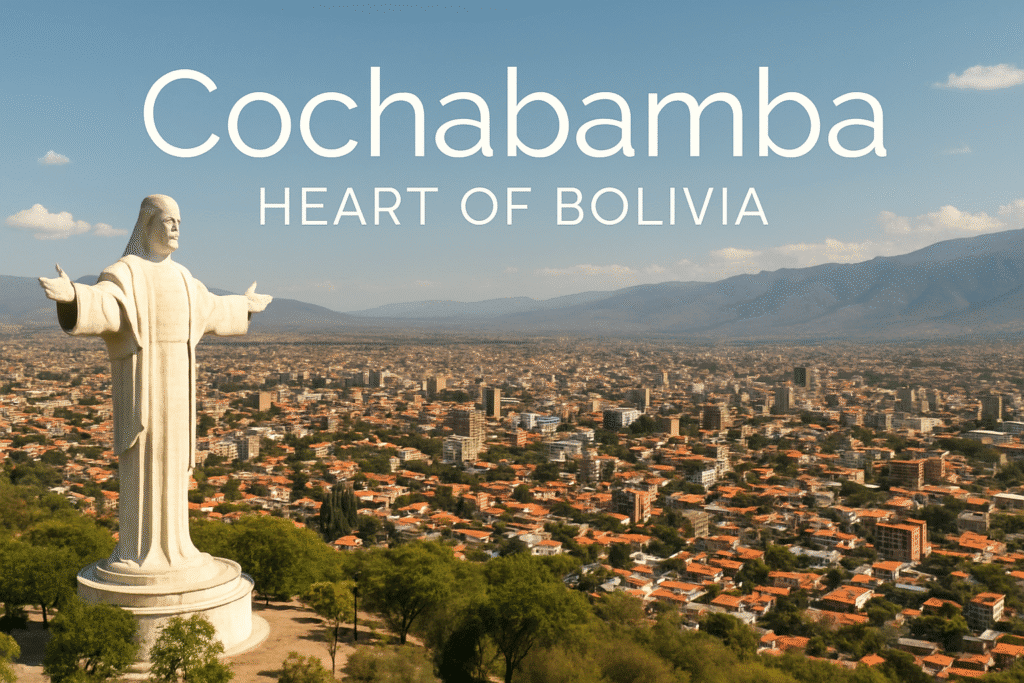
- Its pleasant climate earned it the nickname “City of Eternal Spring.”
- renowned for both its famous Cristo de la Concordia statue and its gastronomic scene.
Other Notable Cities
- Potosí – Once a hub of wealth from silver mining worldwide.
- Oruro – renowned for its Carnaval, a cultural heritage event recognised by UNESCO.
- Tarija – Bolivia’s wine capital is renowned for its vineyards and temperate climate.
Best Times to Visit Bolivia
Optimal Travel Seasons
- The best time of year to trek, see Salar de Uyuni, and explore the Andes is during the dry season, which runs from May to October. This is the busiest travel season because of the clear skies and milder temperatures.
- The Wet Season (November to March) can disrupt travel in remote areas but offers breathtaking scenery, particularly the mirror effect on the salt flats.
Travel Tips
- Altitude adjustment: Since many places are high up, get used to the new environment gradually to prevent altitude sickness.
- Local transport: The main modes of transport are shared taxis and buses. In La Paz, Mi Teleférico provides convenient and beautiful city transportation.
- Domestic flights are helpful for swiftly travelling large distances, particularly between La Paz, Santa Cruz, and Sucre.
Travel Around Bolivia – Transportation Guide
- With major airports in La Paz, Santa Cruz, and Cochabamba, flying is the quickest way to travel large distances.
- By Bus: Night buses connect major cities and are reasonably priced and frequently used.
- By Train: The lowlands and Andean valleys are the primary destinations for the limited services.
- By Car: Although driving on mountain roads can be difficult, renting a car gives you more freedom.
- Urban Transit: For city travel, taxis, minibuses, and La Paz’s cable car system are frequently used.
Summary
Bolivia is a land of contrasts, where vibrant cities and stunning landscapes coexist with long-standing customs. Bolivia provides experiences that appeal to tourists looking for culture, adventure, and genuineness, from the bizarre salt flats of Salar de Uyuni to the busy streets of La Paz. It is one of the most intriguing places to visit in South America because of its rich history, linguistic diversity, and special status as a plurinational state.
Table of Key Facts about Bolivia
| Aspect | Details |
| Continent | South America |
| Capital(s) | Sucre (constitutional), La Paz (administrative) |
| Area | 1,098,581 km² |
| Population | ~12 million (2025 est.) |
| Official Languages | Spanish, Quechua, Aymara + 34 others |
| Currency | Boliviano (BOB) |
| Major Industries | Mining, natural gas, agriculture, tourism |
| UN Membership | Since November 14, 1945 |
| Top Attractions | Salar de Uyuni, Lake Titicaca, Tiwanaku, Madidi National Park |
| Best Travel Season | May to October (dry season) |
Top Natural Attractions in Bolivia
Salar de Uyuni – The Mirror of the Sky
Bolivia’s most famous natural wonder is Salar de Uyuni. It is the world’s largest salt flat, covering more than 10,500 square kilometres. A thin layer of water forms a giant mirror during the rainy season (December to March), reflecting the sky and producing surreal photographic opportunities. Travellers frequently take multi-day jeep tours to see flamingo-filled lagoons, cacti-covered Incahuasi Island, and salt hotels.
Lake Titicaca – Sacred Waters of the Andes
Lake Titicaca is the world’s highest navigable lake, rising 3,812 meters (12,507 feet) above sea level. This holy body of water, which is shared with Peru, is deeply culturally significant to the Quechua and Aymara peoples. Must-visit places include:
- Isla del Sol – thought to be where the Inca sun god was born.
- Copacabana – A quaint lakeside town featuring local markets and a well-known basilica.

Amazon Rainforest and Madidi National Park
A hotspot for biodiversity is Bolivia’s section of the Amazon Basin. Hundreds of bird species, pink river dolphins, and jaguars can all be found in Madidi National Park. While promoting sustainable tourism, guided eco-tours provide an opportunity to take in the abundant flora and fauna.
Eduardo Avaroa Andean Fauna National Reserve
This protected area, which is situated in the southwest of the nation, is home to distinctive Andean wildlife, geysers, and colourful mineral lagoons like Laguna Colorada. Photographers and adventurers love its surreal landscapes.
Other Natural Highlights
- Torotoro National Park – renowned for its canyons, caverns, and dinosaur footprints.
- Sajama National Park – Home to centuries-old Queñua forests and Nevado Sajama, Bolivia’s highest peak.
Historic and Cultural Attractions
Tiwanaku – Echoes of a Pre-Incan Civilization

Tiwanaku, a UNESCO World Heritage Site, was the epicentre of a strong civilisation that existed for centuries before the Incas. Monumental buildings that provide insights into Bolivia’s ancient past, such as the Akapana Pyramid and Gateway of the Sun, are open for visitors to explore.
Potosí – The City of Silver
Because of its silver mines in Cerro Rico, Potosí was one of the richest cities in the world during the Spanish colonial era. The historic mines are open for tours today, and visitors can discover their significance in world history.
Sucre – The White City
Sucre, Bolivia’s constitutional capital, enchants tourists with its museums, lively plazas, and whitewashed colonial architecture. Bolivia’s rich cultural legacy is embodied in this UNESCO-listed city.
Oruro Carnival – Bolivia’s Biggest Cultural Festival
This UNESCO-recognized annual celebration combines indigenous and Catholic customs, includes intricate costumes, and includes folk dances like the Diablada. Bolivia’s cultural identity is colourfully displayed.
Deeper Dive into Bolivian Culture
Music and Dance
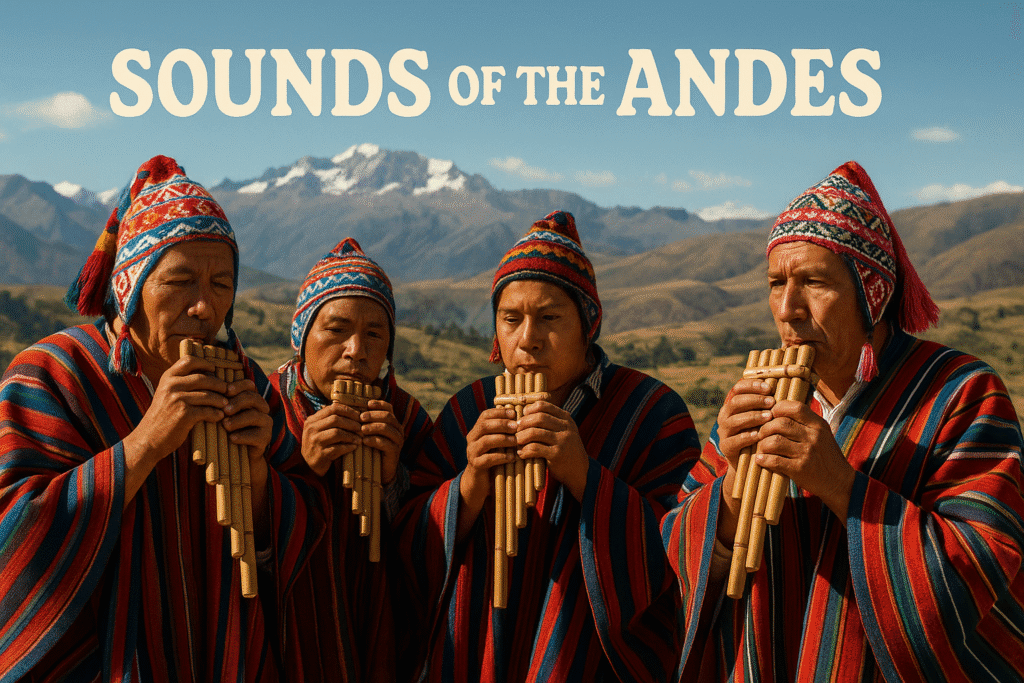
Spanish colonial influences and native melodies are combined to create Bolivian music. Traditional ensembles rely heavily on the bombo drum, charango, and pan flute (zampoña). Among the popular dances are:
- Morenada – representing the African slaves who were transported to Bolivia during the colonial era.
- Caporales – a lively dance featuring bells and vibrant costumes.
Festivals and Celebrations
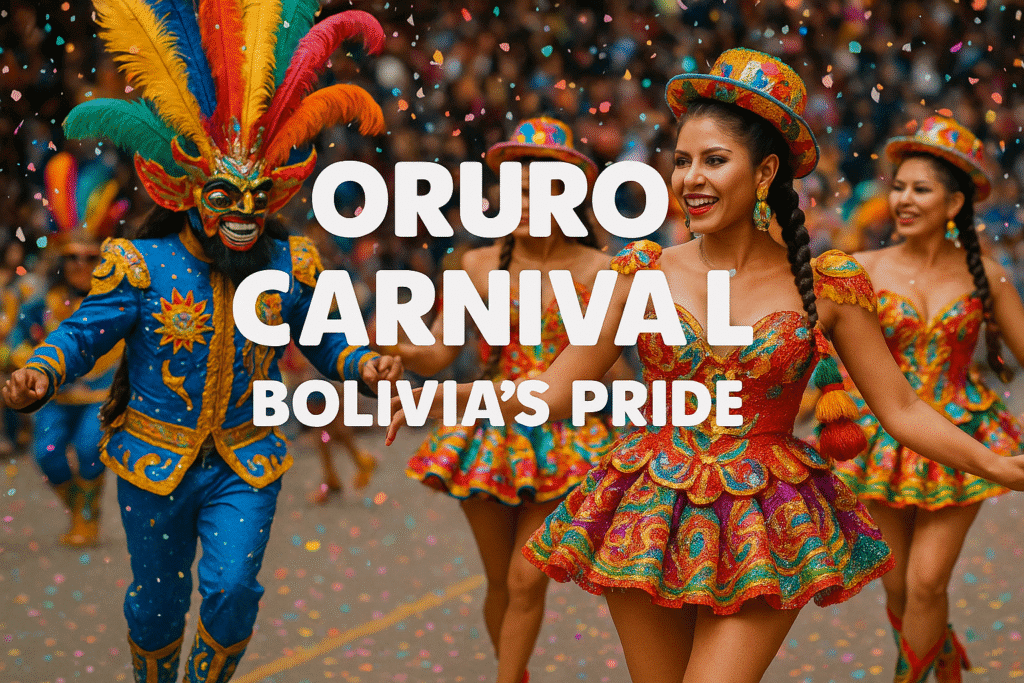

Bolivia celebrates many festivals all year long, each of which reflects local customs:
- La Paz’s Gran Poder Festival is a colourful fusion of dance, music, and faith.
- People purchase tiny objects that represent their desires at the Alasitas Fair, which is held in honour of Ekeko, the god of plenty.
Cuisine

Bolivian cuisine varies by region:
- Andean Highlands: Quinoa soups and charque de llama, or dried llama meat.
- Lowlands: Freshwater fish, tropical fruits, and foods made from yuca.
- Across the country, street food favourites like tucumanas (fried empanadas) and anticuchos (grilled beef heart skewers) are well-liked.
Bolivia’s Economy – A Closer Look
Key Sectors
- Mining: Large amounts of silver, tin, zinc, and lithium are found in Bolivia. Some of the largest lithium deposits in the world, which are essential to the global electric vehicle industry, are found in the Salar de Uyuni alone.
- Hydrocarbons: Exports of natural gas, mostly to Argentina and Brazil, continue to be a significant source of income.
- Agriculture: In addition to producing coffee, soybeans, quinoa, and Brazil nuts, Bolivia is also seeing an increase in sustainable farming practices.
- Tourism: growing significance due to Bolivia’s rich cultural heritage and natural wonders.
Trade Relations
The main trading partners of Bolivia are:
- Brazil – principal importer of natural gas from Bolivia.
- Argentina – Trade in agriculture and energy.
- China – Imports of electronics and machinery.
- United States & India – expanding markets for Bolivian minerals and quinoa exports.
Currency and Financial Landscape
Because of prudent fiscal policies, the Boliviano (BOB) is still stable. Bolivia’s entrepreneurial sector is greatly aided by microfinance institutions, particularly in rural and indigenous communities.
Practical Travel Information

Transportation Tips
- Long-distance travel: For dependable and reasonably priced connections, overnight buses are frequently used for intercity travel.
- Domestic flights: Time-efficient for important routes, like the one from La Paz to Santa Cruz.
- Urban mobility: The network of cable cars in La Paz offers a convenient and picturesque means of getting around the city.
Safety and Health
- Give yourself time to acclimatise; altitude sickness is common.
- Because credit card acceptance may be restricted outside of major cities, travellers should bring cash..
Why Visit Bolivia?
Bolivia is a place where history, culture, and nature all come together. Bolivia provides experiences that are profound and unforgettable, from its highland cities and salt flats to its lively music and cuisine. It is a must-visit for anyone looking for genuine adventure in South America because of its rich history and hospitable locals.
Final Word
Bolivia’s remarkable blend of history, culture, and landscapes enthrals. You’ll come across colonial cities, vibrant indigenous customs, and unparalleled natural wonders as you travel through this South American treasure. Bolivia leaves a lasting impression on everyone who visits, whether they are sailing on Lake Titicaca, exploring the Andes’ heights, or taking in the expansiveness of Salar de Uyuni.
- United Nations Member States – Bolivia – Details of official UN membership.
- UNESCO World Heritage – Bolivia – UNESCO-designated natural and cultural sites.
- World Bank Bolivia Overview – information on economic and development indicators.
- Bolivia Tourism Official Site – information on travel and tourism supported by the government.
United Nations Member States – Bolivia
Bolivia’s membership status and details are confirmed on the official UN page.
UNESCO World Heritage – Bolivia
Sucre, Tiwanaku, and the Oruro Carnival are among the Bolivian World Heritage Sites listed by UNESCO.
World Bank Bolivia Overview
current reports on Bolivia’s financial and trade environment, as well as economic data and development indicators.