



🌍 Introduction
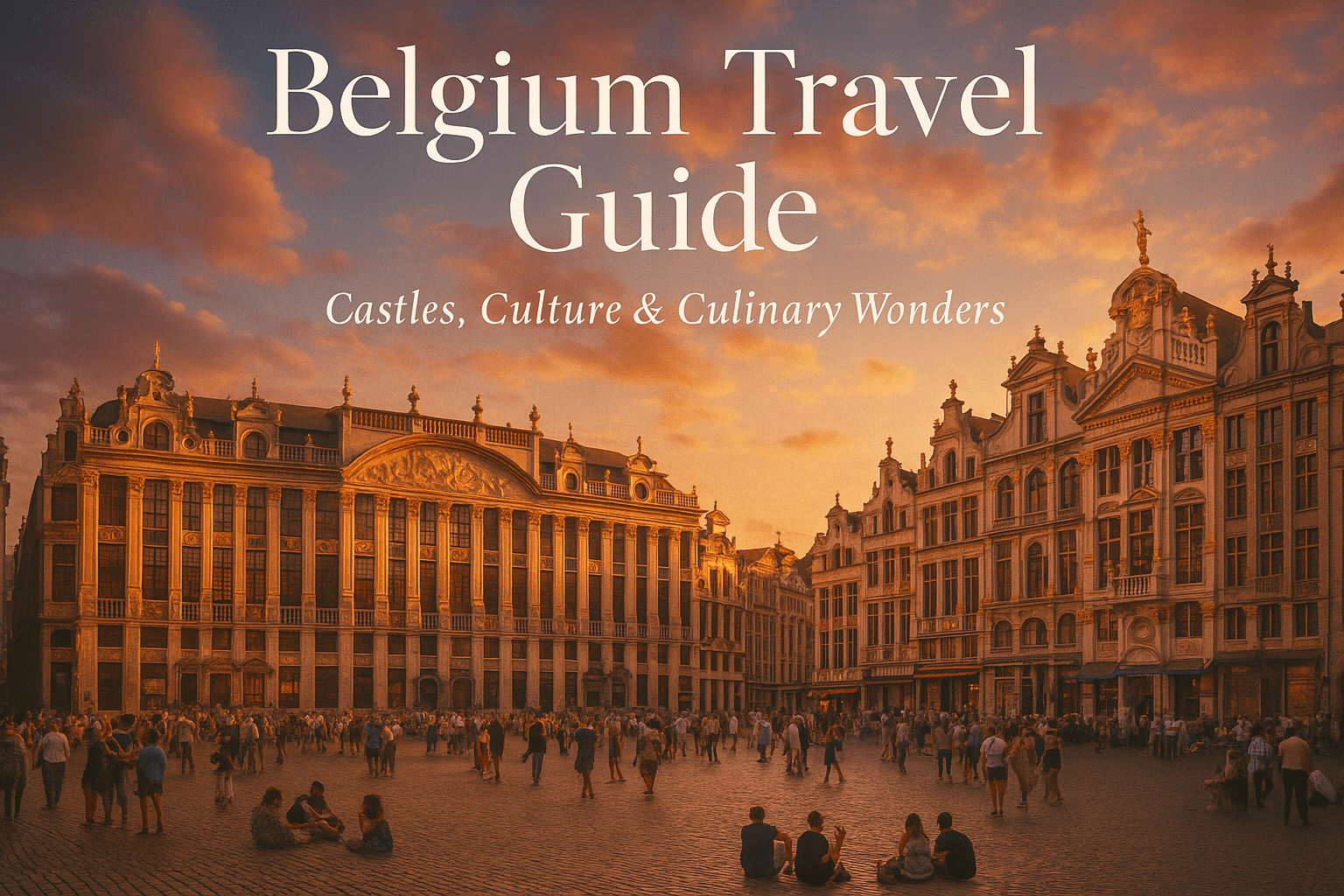
Belgium is a small European gem that combines cosmopolitan cities, mediaeval charm, and delicious food. Belgium, which is in the centre of Western Europe, offers a wide range of experiences, including the grand architecture of Brussels, the creative cultural scene of Ghent, fairytale towns like Bruges, and a beer culture so rich that it is recognised as UNESCO intangible heritage (PlanetWare). Belgium offers a journey that satisfies the senses and enriches the soul, regardless of your cravings for chocolate, art, history, or anything else in between.
🕰️ Key Historical Facts
Medieval Beginnings & Burgundian Prosperity
Gallo-Roman settlements and mediaeval trading towns like Bruges and Ghent are the origins of Belgium. These cities thrived as hubs of art and trade during the 15th century when they were ruled by the Burgundians.
Spanish & Austrian Habsburg Era
Belgian territories were ruled by Habsburg Spain and then Austria from the 16th to the 18th centuries, which connected them to larger European conflicts and influences.
Revolutionary Times & Independence
During Napoleon’s rule, the area was ruled by France; it subsequently joined the Kingdom of the Netherlands and, in 1830, attained complete independence as Belgium.
World Wars & Post-War Rebuilding
Both World Wars I and II left Belgium with severe scars that can be seen in cities like Ypres and Bastogne. After World War II, it bounced back quickly, contributing to the creation of the European Economic Community and NATO.
🌐 Geography & Location
- Europe is the continent.
- Western Europe is the region.
- Location: roughly 50.8° N, 4.3° E
- France, Germany, Luxembourg, and the Netherlands are neighbouring countries.
- The North Sea coast is about 67 kilometres long.
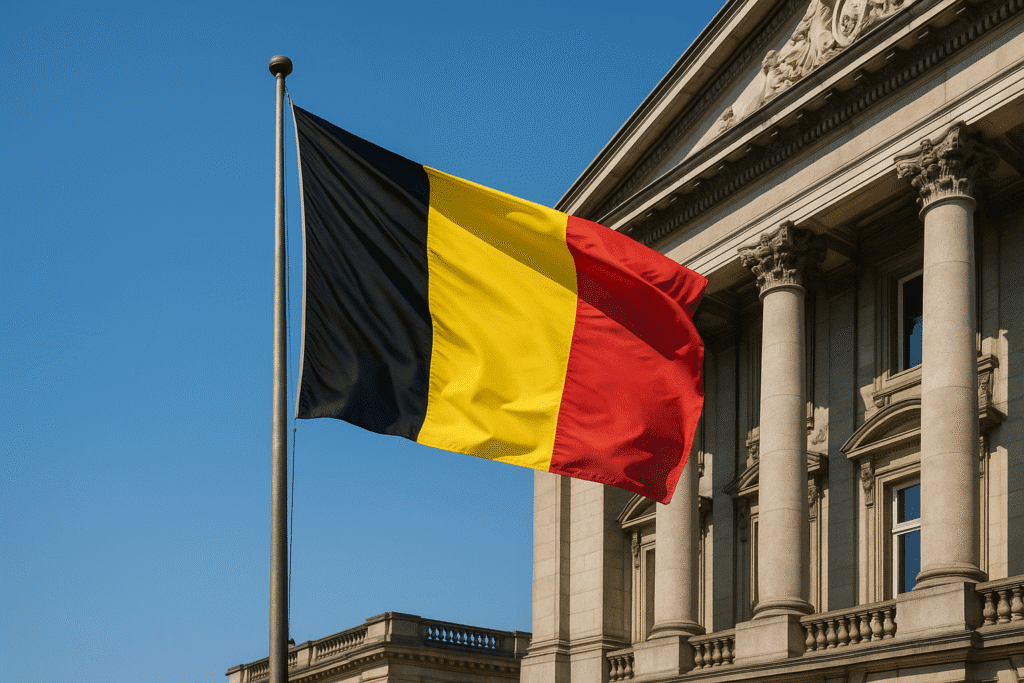
Three regions make up Belgium: the Brussels-Capital Region (bilingual), Wallonia (south, French-speaking), and Flanders (north, Dutch-speaking). Coastal dunes, river valleys, dense hills (Ardennes), and mediaeval towns are scattered throughout its compact terrain.
🎭 Cultural Insights
Language & Identity
The official languages of Belgium are Dutch, French, and German; however, Brussels is becoming more multilingual. Regional identities and cuisines are also shaped by these diverse linguistic communities.
Festivals & Celebrations
- Ommegang (Brussels): A magnificent mediaeval pageant from the 16th century
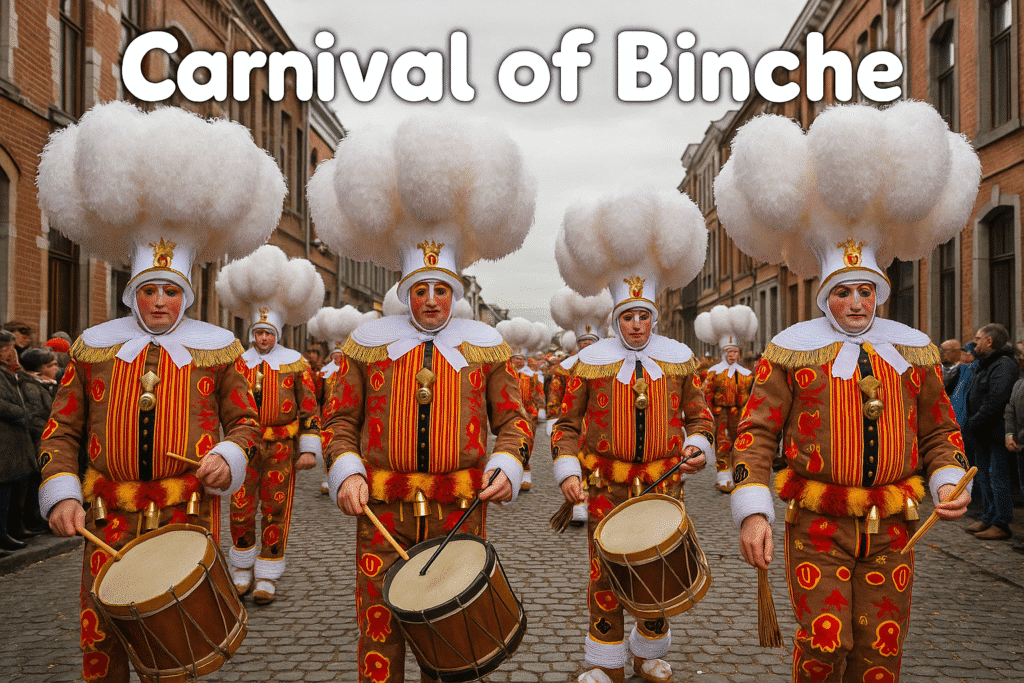
- Carnival of Binche: Belgian folklore and the renowned Gilles masks
- Ghent’s 10-day folk and music festival, Gentse Feesten
Art, Music & Architecture
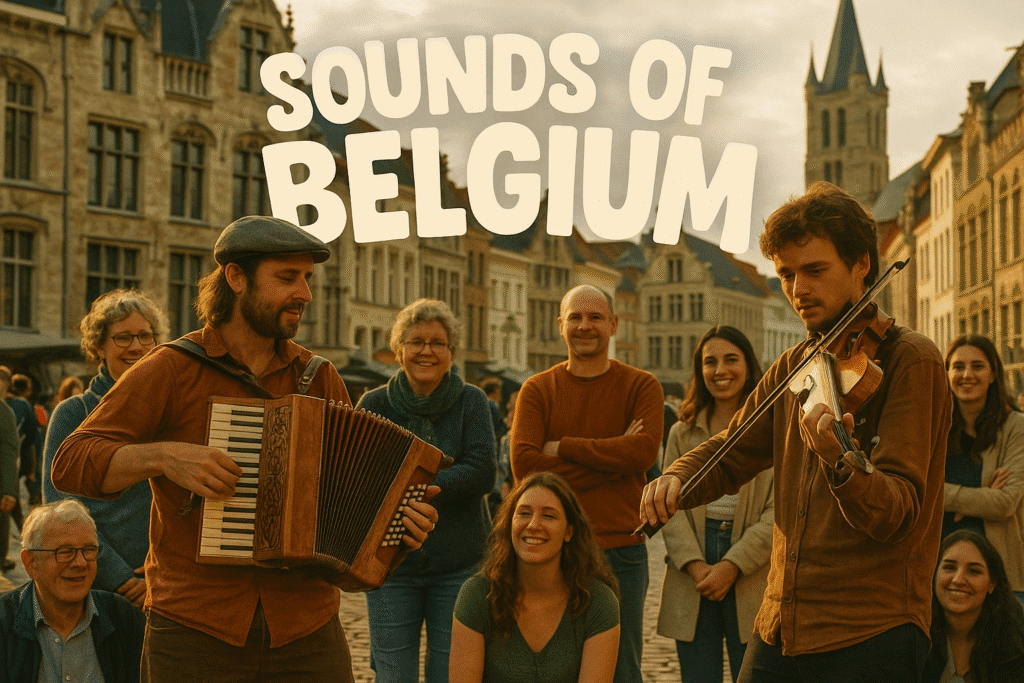
Flemish masters like Peter Paul Rubens and Jan van Eyck were born in Belgium. Music festivals and avant-garde art scenes, particularly in Brussels and Antwerp, are examples of its modern contributions.
Culinary Culture
The three pillars of fame for Belgium are:
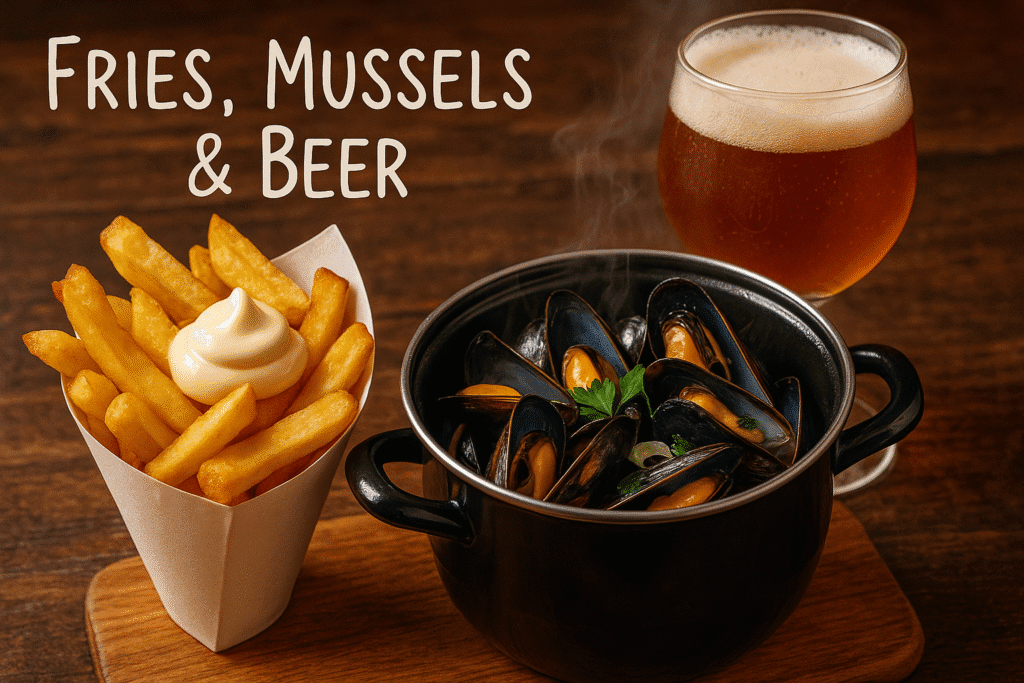
- Belgian beer: UNESCO-listed Trappist ales, lambics, and saisons (UNdata, Wikipedia, GQ)
- Chocolate and Pralines: Iconic stores in Bruges and Brussels
- A national treasure, french fries are typically eaten with mayo or mussels.
💶 Economy Overview
International trade, services, and advanced industries are the main drivers of Belgium’s strong, high-income economy. With a GDP per capita of about €44,300, it ranks sixth in the EU. (European Union).
- Currency: Euro (€)
- Economic Strengths:
- According to Wikipedia, the Port of Antwerp is the second-largest cargo port in Europe.
- Glass, petrochemicals, automobiles, and diamond trading
- Government and service sectors, including organisations within the EU and NATO
- Trade Partners: Mostly other EU countries (about 75%), along with the US, UK, and China (Wikipedia)
🏰 Main Tourist Attractions
Grand Place, Brussels
Every two years, the renowned Flower Carpet is held in this magnificent UNESCO-listed plaza surrounded by Gothic and Baroque guildhalls. (PlanetWare).
The Canals & Belfry of Bruges
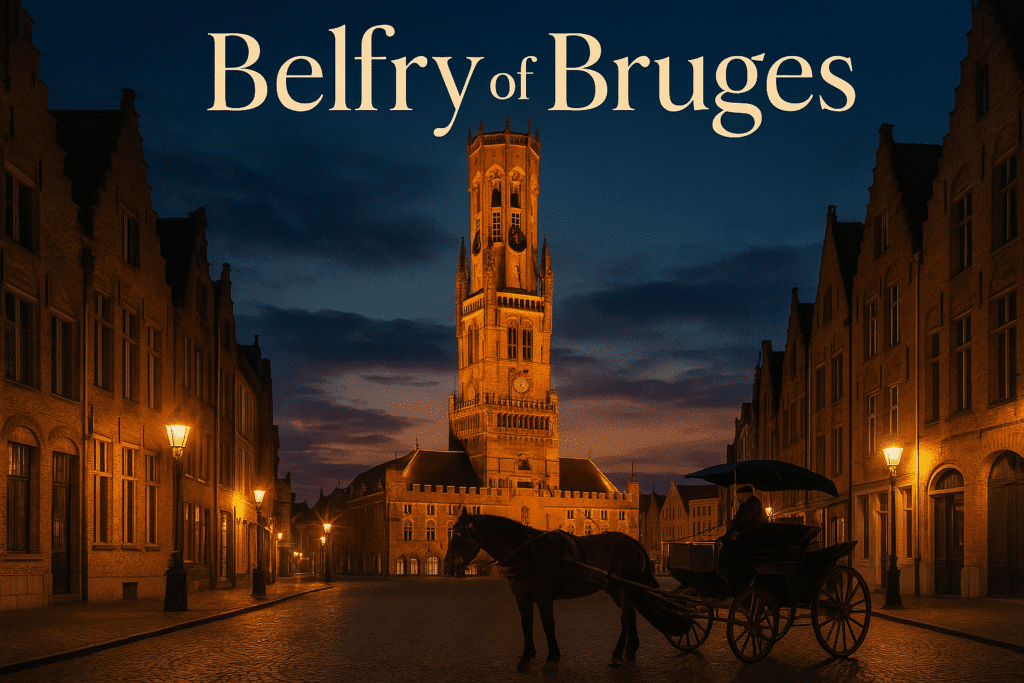
This UNESCO-designated “Venice of the North” is defined by charming mediaeval waterways and the 13th-century Belfry Tower.
Ghent’s Historic Core
Ghent, with its UNESCO-listed belfry, Gravensteen castle, and St. Bavo’s Cathedral, combines mediaeval design with contemporary inventiveness. (PlanetWare).
Antwerp’s Diamond District & Grote Markt
A centre for the diamond trade featuring the Brabo Fountain, City Hall, and a Renaissance square (Wikipedia).
Waterloo & Somme Battlefields
pilgrimage sites from World Wars I and II in the vicinity of Ypres and Bastogne.
Ardennes & Han-sur-Lesse Caves
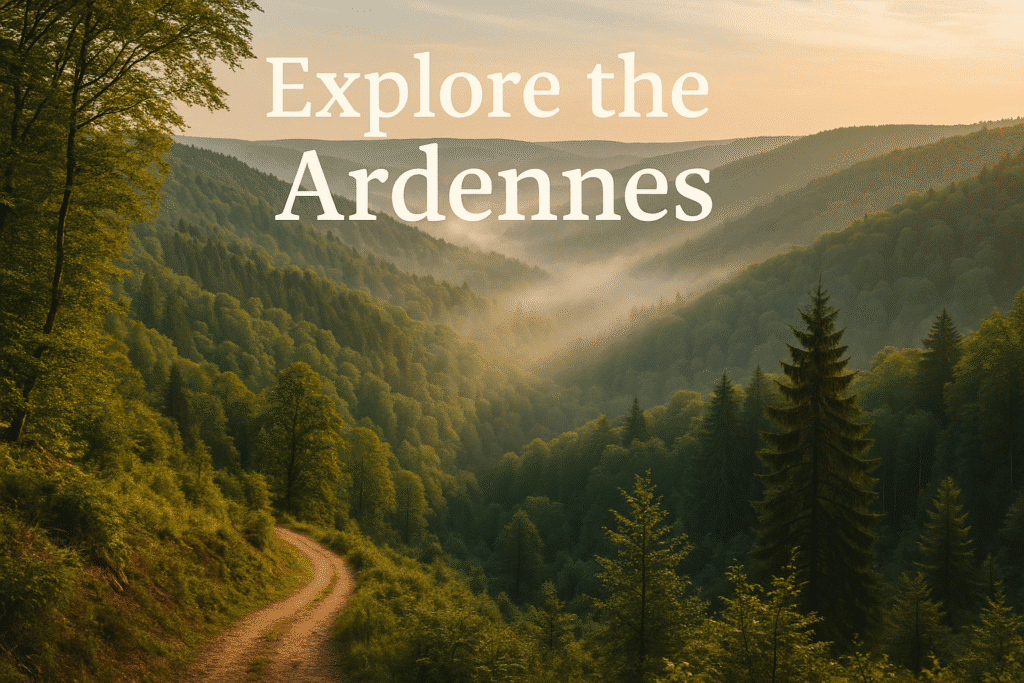
Those who enjoy the outdoors can explore amazing cave networks, chateaus, and dense forests.
🗣️ Languages in Belgium
Belgium has three official languages:
- About 60% of people in the Flanders region speak Dutch, also known as Flemish.
- 40% of people in Brussels and the Wallonia region speak French.
- German: Spoken by a few people in the country’s east.
Although English is widely spoken, particularly in urban and tourist areas, Brussels is officially bilingual (Dutch and French).
🌟 Unique and Interesting Facts About Belgium
- 🍫 Every year, Belgium produces more chocolate than any other nation, with over 220,000 tonnes produced.
- 🧇 There are several types of Belgian waffles, including Liège and Brussels.
- 🍻 There are more than 1,600 varieties of beer in the nation, and Belgian beer culture is recognised by UNESCO.
- 🕹️ Way ahead of its time, Belgium outlawed children’s advertising in 1975 for being manipulative.
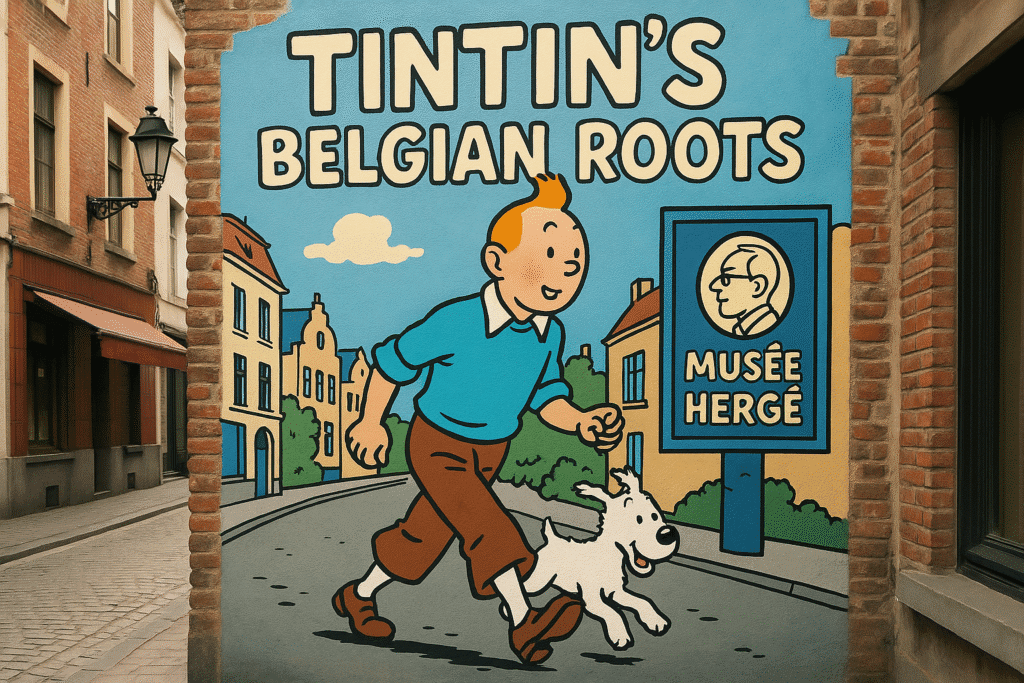
- 🎨 Belgians produced the comic book character Tintin and the famous surrealist painter René Magritte.
- ⚽ The Red Devils, one of the best football teams in the world, call it home.
🇺🇳 UN Membership and Global Role
Belgium actively participates in international diplomacy and was a founding member of the UN since 1945. It is:
- a founding member of the Eurozone, NATO, Schengen, and the EU.
- host to the European Commission, NATO, and EU Parliament headquarters in Brussels.
- a significant voice in international trade policy, peacekeeping, and humanitarian assistance.
Source: UN Belgium Member Profile
🏙️ Major Cities in Belgium
🔹 Brussels (Capital)
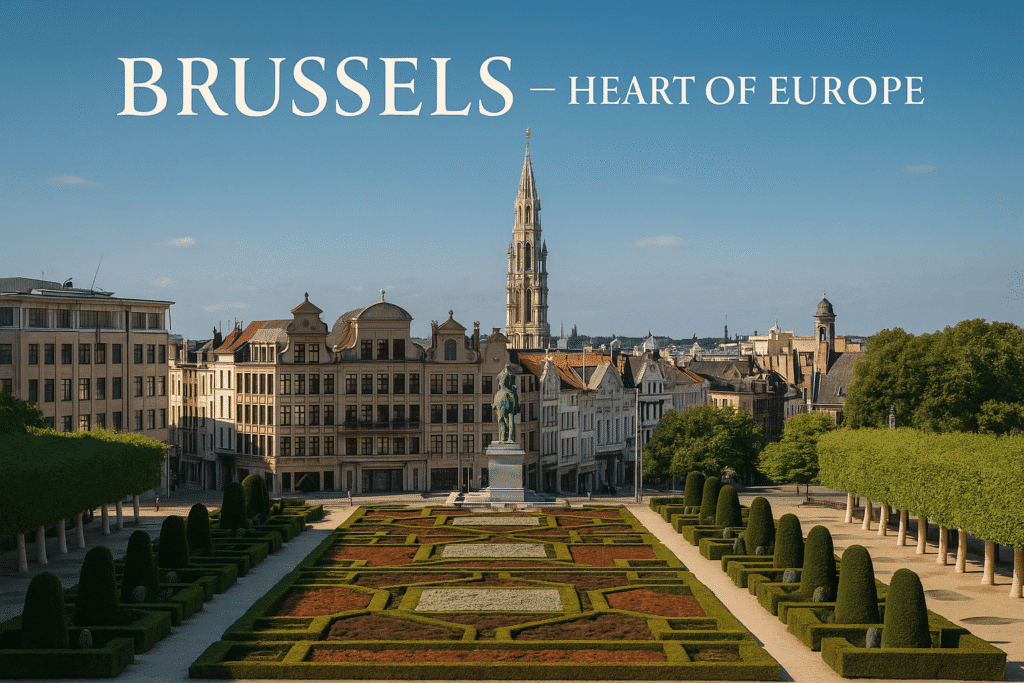
- Political heart of Europe
- Grand Place, Atomium, EU buildings
🔹 Antwerp
- Fashion & diamond capital
- Historic old town, modern architecture
🔹 Bruges
- Romantic canals, cobbled lanes
- Medieval charm & chocolates
🔹 Ghent
- Art, music, vibrant student culture
- St. Bavo’s Cathedral, Gravensteen
🔹 Liège
- Cultural blend of old and new
- Markets, opera, and fiery Walloon spirit
📅 Best Time to Visit Belgium
April to October is ideal for pleasant weather, festivals, and exploring towns on foot or by bike.
- 🌷 Spring (April–May): less crowded, tulips, and outdoor cafes
- 🌞 Summer (June–August): sunny squares, beer gardens, and festivals
- Autumn (September–October): Brighter foliage, cool air and fewer tourists
🎄 Don’t miss the December Christmas markets in Brussels and Bruges!
🚉 How to Travel Around Belgium
Belgium has an excellent public transport system:
- 🚆 Train: SNCB national rail provides fast and reasonably priced city connections.
- 🚌 Bus & Metro: Effective in cities and Brussels
- Cycling: Flanders is flat and conducive to bicycling.
- 🚗 Renting a car is perfect for seeing rural castles or the Ardennes.
🧭 Final Summary
Belgium offers a unique blend of contemporary energy and historic charm. Belgium offers something exceptional everywhere you look, whether it’s its historic battlefields, fictional towns, rich beer and art traditions, or international institutions. It is a must-visit country that you will want to return to because of its multilingual culture, mouthwatering food, and central European location.
So bring your walking shoes, your curiosity, and your appetite. Belgium is awaiting.
📊 Key Facts Table
| Category | Detail |
| Continent | Europe |
| Capital | Brussels |
| Official Languages | Dutch, French, German |
| Currency | Euro (€) |
| Population | ~11.6 million |
| UN Member Since | 1945 |
| Major Cities | Brussels, Antwerp, Bruges, Ghent |
| Famous For | Chocolate, waffles, beer, EU HQ, art |
| Best Travel Months | April to October |
- United Nations Member Profile – Belgium
https://www.un.org/en/about-us/member-states/belgium
The profile of Belgium on the official United Nations website. - World Bank – Belgium Country Overview
https://www.worldbank.org/en/country/belgium
Belgium-related economic data, development indicators, and insights. - European Union – Belgium Member Country Page
https://european-union.europa.eu/principles-countries-history/eu-countries/belgium_en
Official EU page for Belgium with political and structural details. - UNESCO World Heritage Sites in Belgium
https://whc.unesco.org/en/statesparties/be
List of UNESCO World Heritage Sites in Belgium, including La Grand-Place and Bruges. - Belgium Tourism – Official Travel Guide
https://www.visitflanders.com/en
The official travel website for the Flanders region, which includes Brussels. - Belgian Beer Culture (UNESCO Intangible Heritage)
https://ich.unesco.org/en/RL/beer-culture-in-belgium-01062
The culture of Belgian beer is recognised as an intangible cultural heritage.
Statista – Belgium Travel & Tourism Market Overview
https://www.statista.com/topics/4849/travel-and-tourism-in-belgium
Belgium’s tourism figures, income, and visitor information.