



Introduction
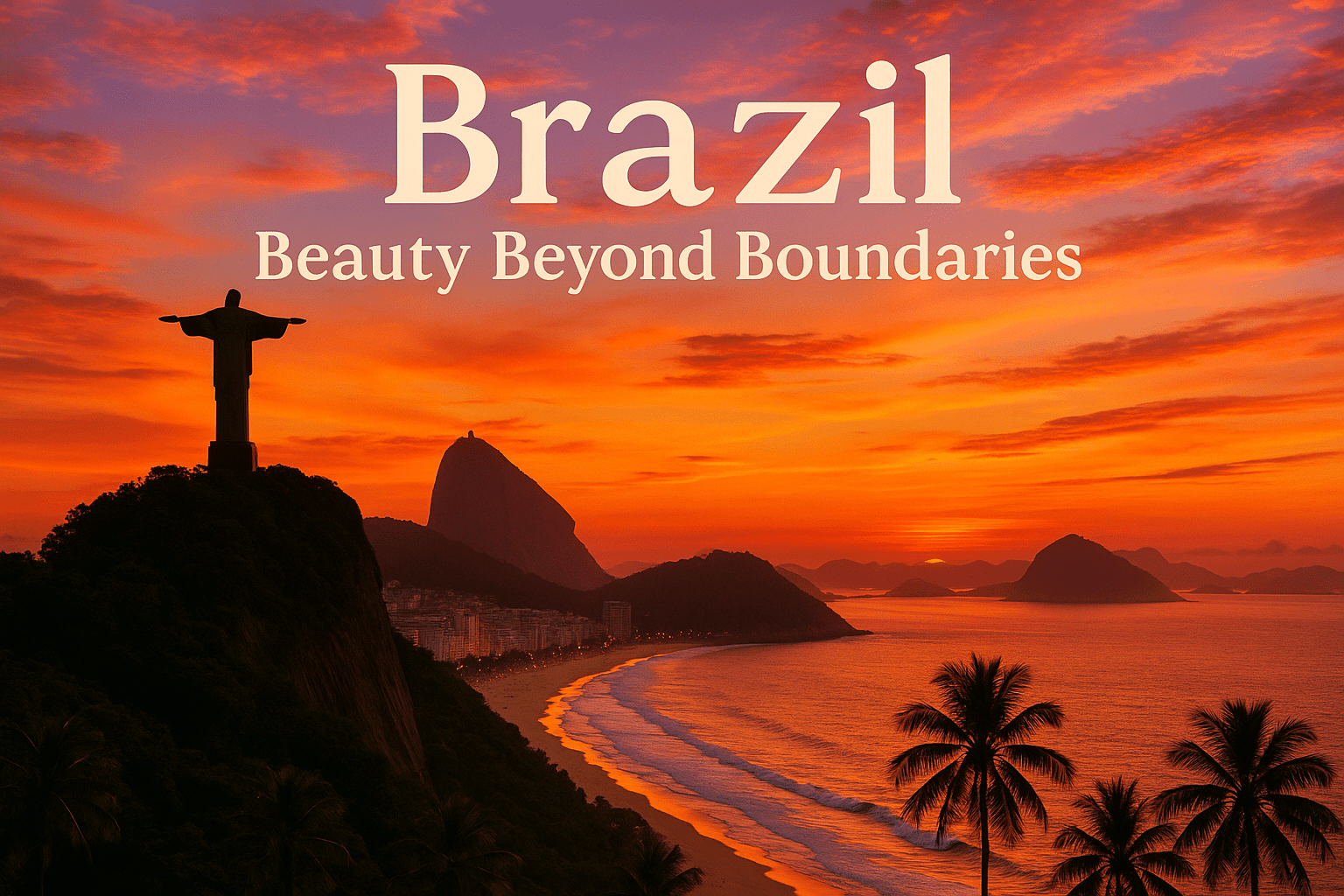
Brazil is a dynamic, multifaceted, and iconic nation renowned for its dynamic cities, pulsating culture, and stunning natural beauty. Brazil, the biggest nation in South America and the fifth largest in the world in terms of area and population, is well-known throughout the world for its football heritage, Amazon rainforest, Carnival festival, and growing economic might.
Music, food, art, and adventure abound in Brazil, from the beaches of Rio de Janeiro to the Amazon’s depths. Everything you need to know about Brazil is covered in this guide, including its history, geography, culture, economy, tourist attractions, and much more.
🕰️ Key Historical Facts About Brazil
🗿 Pre-Colonial and Indigenous Brazil
An estimated 2,000 different tribes, including the Tupi, Guarani, and Yanomami peoples, lived in Brazil prior to Portuguese colonisation in 1500. These native communities possessed spiritual beliefs, rich oral traditions, and a strong bond with the natural world.
⚓ Portuguese Colonization (1500–1822)
- In 1500, Pedro Álvares Cabral claimed Brazil for Portugal.
- With the help of enslaved African labour, sugarcane plantations controlled the coastal economy.
- By the 17th century, Brazil was the world’s largest sugar exporter and the largest colony in the Portuguese empire.
- Minas Gerais became a prosperous mining region during the 18th-century gold rush.
👑 Empire of Brazil (1822–1889)
- Dom Pedro I led the declaration of independence from Portugal in 1822.
- Relative stability was brought about by the Empire era, and slavery was finally outlawed in the Americas in 1888..
🏛️ Republic and Modern Era
- declared a republic in 1889.
- experienced periods of economic instability, military rule (1964–1985), and dictatorship.
- In the latter half of the 20th century, democratic governance was reinstated.
Brazil, a federal republic today, is proud of its multicultural heritage, vibrant cities, and international clout.
🌍 Geographic Location of Brazil
📍 Location Details
- Continent: South America
- Coordinates: Approx. 10° S latitude, 55° W longitude
- Time Zones: Spans 4 time zones, main zone is Brasília Time (BRT, UTC−3)
🌐 Borders
Brazil shares borders with 9 countries (most in the world after Russia and China):
- Argentina
- Bolivia
- Colombia
- Guyana
- Paraguay
- Peru
- Suriname
- Uruguay
- Venezuela
🌳 Key Natural Features
- The Amazon Rainforest, which covers about 60% of Brazil, is the biggest rainforest on Earth.
- The largest tropical wetland in the world is Pantanal.
- Iguaçu Falls: Argentina shares these magnificent waterfalls.
- The Atlantic Ocean’s 7,400 km of coastline is home to well-known beaches like Ipanema and Copacabana.
🎭 Cultural Insights – Life and Identity in Brazil
🧑🤝🧑 Ethnic and Cultural Diversity
Brazilian culture is a blend of European, African, and indigenous elements:
- Religion and language are dominated by Portuguese ancestry.
- Particularly in Bahia, African influence can be seen in the music, dance, and food.
- Indigenous traditions are still very important in areas of the Amazon.
- More than 100 uncontacted tribes call this place home.
🛐 Religion in Brazil
- About 60% of people are Roman Catholic, making them the largest Catholic population in the world.
- Evangelical Protestantism is expanding quickly.
- Afro-Brazilian faiths such as Umbanda and Candomblé
- More and more people are identifying as nonreligious.
🎶 Music, Dance & Festivals
- Forró, Funk Carioca, Samba, Bossa Nova, and MPB (Brazilian Popular Music)
- Instruments: guitar, drums, and berimbau
- Brazil’s most well-known celebration, Carnival, takes over cities, particularly Rio de Janeiro, with parades, costumes and samba dancers.
🍛 Brazilian Cuisine
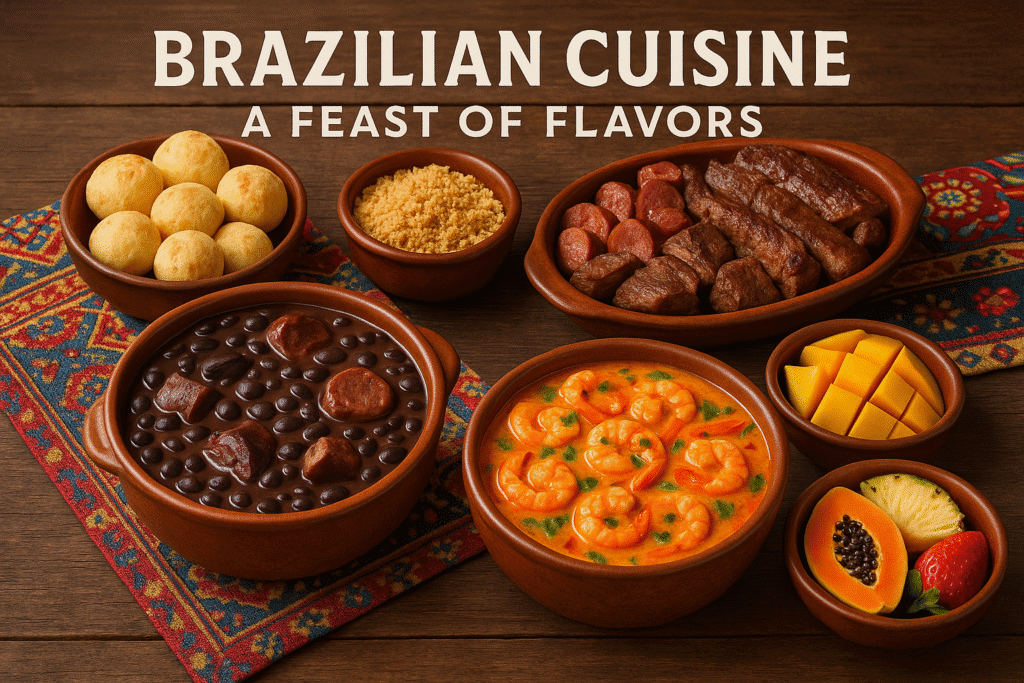
- Brazil’s national dish, feijoada, is a black bean stew with pork.
- Churrasco: skewered meats in Brazilian barbecue
- Moqueca: A seafood stew made with peppers, onions, and coconut milk
- Tapioca crepes, brigadeiro, açaí, and pão de queijo are popular snacks across the country.
💰 Brazil’s Economy: The Giant of Latin America
Brazil, with the biggest economy in Latin America and the 12th largest in the world as of 2024, is vital to international trade, energy, and agriculture. Brazil has demonstrated tenacity and inventiveness in the face of political and economic upheaval.
📈 Economic Overview
- GDP (2024 est.): $2.2 trillion USD
- World Bank Status: Upper middle-income economy
- Currency: Brazilian Real (BRL), symbol: R$
💡 Major Industries
1. 🌾 Agriculture
- top exporter of beef, coffee, sugar, orange juice, and soybeans worldwide
- Large farmlands in São Paulo, Paraná, and Mato Grosso
- About 25% of GDP comes from agribusiness.
2. 🏭 Industry & Manufacturing
- Steel, petrochemicals, automobiles, textiles, and aeroplanes (Embraer)
- Brazil is a significant producer of biofuels, particularly ethanol.
3. 🛢️ Energy
- abundant in hydroelectric power (more than 60% of the energy mix)
- Renewable energy sources and offshore oil fields (pre-salt layer) are growing.
4. 💻 Services & Technology
- About 60% of Brazil’s GDP comes from the services sector.
- Expanding digital banking, e-commerce, and fintech industries
- Brazil’s financial and technology centre is São Paulo.
🌐 Trade and Global Influence
- Top Trade Partners:
- Exports: China, U.S., Argentina, Netherlands
- Imports: China, U.S., Germany
- Exports: China, U.S., Argentina, Netherlands
- Member of:
- BRICS (with Russia, India, China, South Africa)
- Mercosur (regional trade bloc)
- World Trade Organization (WTO)
- BRICS (with Russia, India, China, South Africa)
🏝️ Top Tourist Attractions in Brazil
Brazil’s tourism combines historic architecture, lively cities, natural wonders, and cultural festivals. The following are a few of the nation’s most famous locations:
🗽 1. Christ the Redeemer – Rio de Janeiro

- Among the New Seven Wonders of the World
- overlooks Rio from Corcovado Mountain, which is 700 meters high.
- Brazil’s most photographed landmark and a worldwide symbol of peace
🌊 2. Copacabana & Ipanema Beaches
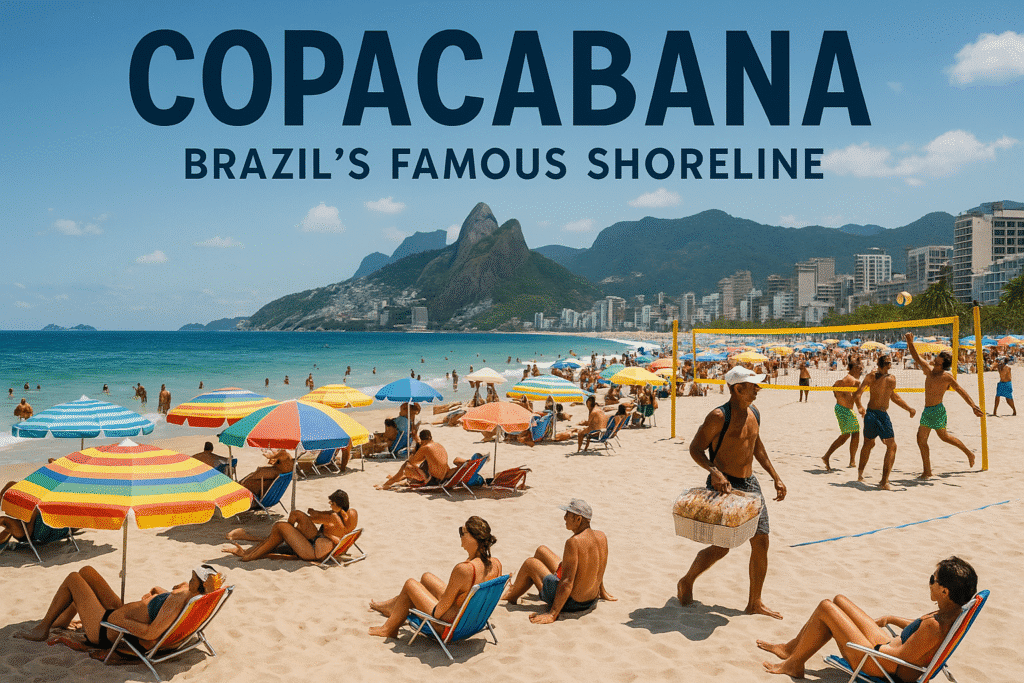
- Famous beach sections with palm trees and a busy promenade
- Brazilian living at its finest: beach volleyball, caipirinhas, music, and sunshine
🌳 3. Amazon Rainforest

- The world’s largest tropical rainforest
- Rich biodiversity, including toucans, pink dolphins, and jaguars
- Base cities: Belém and Manaus
- River cruises, eco-lodges, and native experiences are offered.
🌅 4. Pantanal
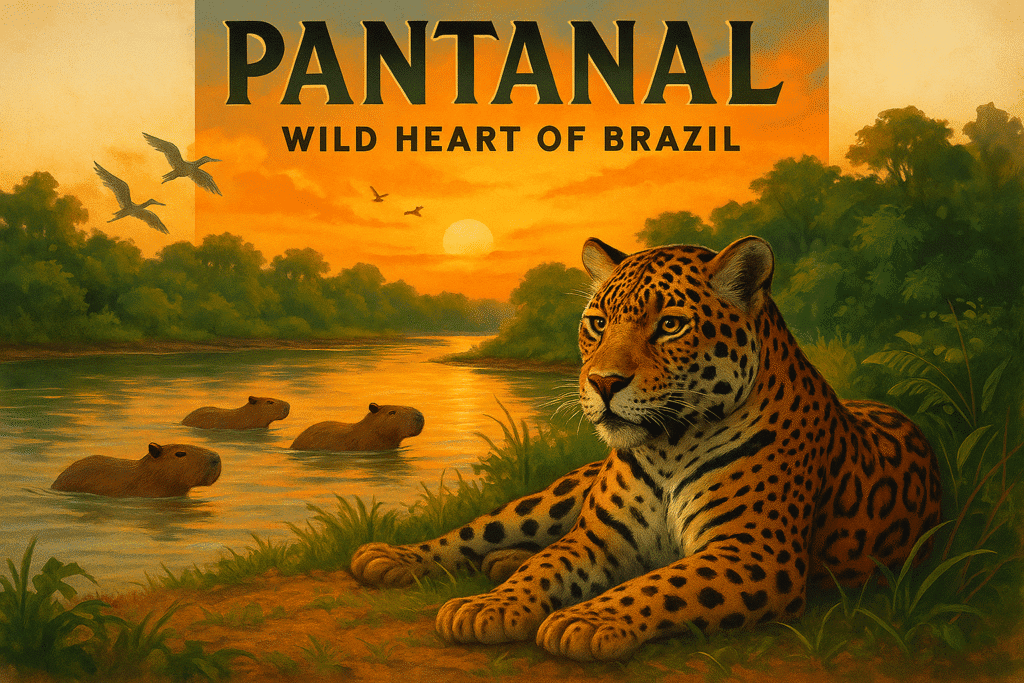
- Even more abundant in wildlife than the Amazon, this is the largest wetland ecosystem in the world.
- Capybaras, jaguars, anacondas, and caimans can be found there.
- Cuiabá or Campo Grande are the best places to visit.
🌊 5. Iguaçu Falls (Foz do Iguaçu)

- 275 separate falls in Argentina and Brazil
- Wider and taller than Niagara
- Encircled by a subtropical rainforest
🏝️ 6. Fernando de Noronha
- Atlantic protected volcanic archipelago
- Top-notch diving, snorkelling, and marine life
- Restricted tourism protects its natural splendour.
🏰 7. Ouro Preto & Minas Gerais Colonial Towns
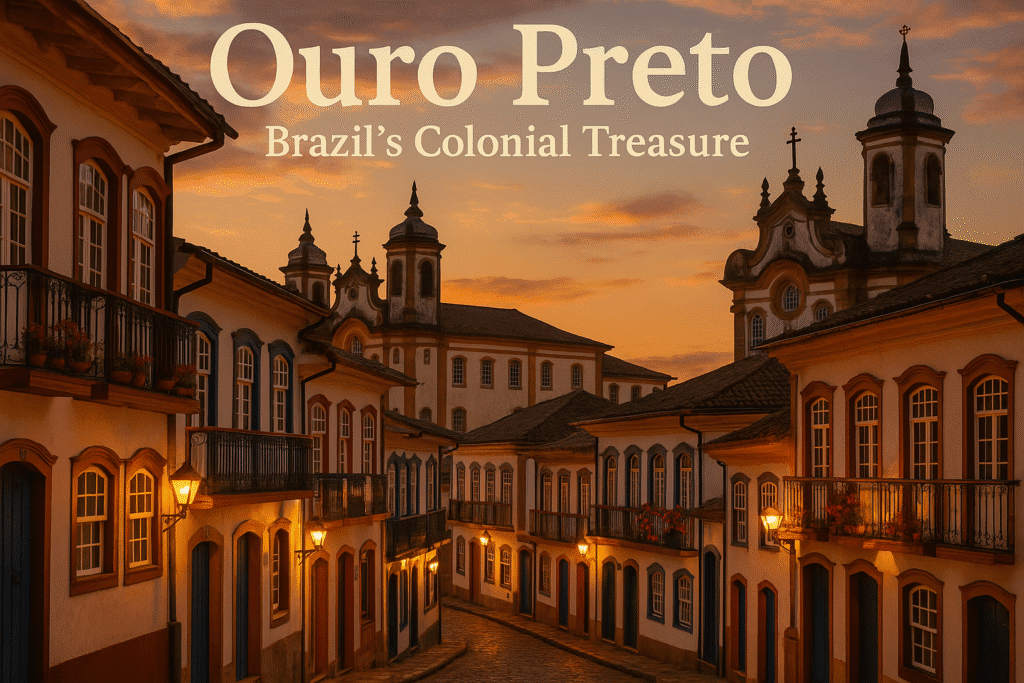
- Gold Rush history, cobblestone streets, and baroque churches
- World Heritage Sites by UNESCO
- Ideal for those who enjoy architecture and culture
🗣️ Languages Spoken in Brazil
🏛️ Official Language:
- Portuguese – the only official language
- The world’s largest Portuguese-speaking country is Brazil.
- Brazilian Portuguese and European Portuguese have different accents, vocabularies, and grammar.
🗨️ Regional and Indigenous Languages:
- More than 180 native languages are spoken in the central-west and Amazonian regions.
- Examples include Yanomami, Tikuna, and Tupi-Guarani.
- Bilingual or multilingual education is preserved in some communities.
🌎 Common Foreign Languages:
- English – widely taught, especially in cities
- Spanish – often understood due to proximity to Hispanic countries
- Italian and German – spoken in immigrant regions in the south
🏙️ Major Cities of Brazil
🏛️ 1. Brasília (Capital)

- The planned city was opened in 1960.
- renowned for Oscar Niemeyer’s modernist architecture
- Brazil’s centre of politics and government
🌆 2. São Paulo
- The biggest city and economic hub in Brazil
- international centre for the arts, fashion, gastronomy, and finance
- About 22 million people live in the metro area.
🎭 3. Rio de Janeiro
- renowned for Sugarloaf Mountain, beaches, Carnival and samba
- blends breathtaking natural beauty with urban energy.
- Lapa, Santa Teresa, and Copacabana are iconic neighbourhoods.
🌿 4. Manaus
- The state capital of Amazonia and the entry point to the Amazon rainforest
- Tours of the rainforest, floating markets, and a historic opera house
🐆 5. Cuiabá & Campo Grande
- Access points to the Pantanal
- favoured by wildlife photographers and eco-tourists
🌐 Brazil on the Global Stage
🌎 United Nations and Global Organizations
Brazil actively participates in peacekeeping missions, international diplomacy, and sustainable development initiatives. It is a founding member of several significant international organisations:
✅ Key Memberships:
- United Nations (UN) – Member since 1945
👉 UN Brazil - World Bank – Major borrower and partner
👉 World Bank: Brazil - International Monetary Fund (IMF)
- World Health Organization (WHO)
- World Trade Organization (WTO)
- G20
- BRICS
- Mercosur – A major South American trade bloc
- UNESCO – Brazil has multiple World Heritage Sites
Brazil also frequently contributes to UN peacekeeping missions, especially in Africa and the Middle East.
🌟 Unique and Interesting Facts About Brazil
- The only country in the Americas that speaks Portuguese
- 🐦 Brazil is home to the Amazon, which makes up 60% of the largest rainforest in the world.
- ⚽ Football is a religion. Brazil holds a record five FIFA World Cup victories.
- The largest carnival in the world is the Rio Carnival.
- 🌊 7,400 km is the world’s longest continuous beach.
- Brazil has never sought nuclear weapons, so it has a peaceful nuclear posture.
- 🌆 The most populated city in the Southern Hemisphere is São Paulo.
- 🎨 Brasília by Oscar Niemeyer is a UNESCO site.
- Only in Brazil are more than 2,000 animal species found.
- Brazil’s climate is varied, encompassing tropical, subtropical, and equatorial regions.
📅 Best Time to Visit Brazil
Brazil can be visited at any time of year, but the best time to go depends on your interests:
☀️ Dry Season (May–October)
- Perfect for outdoor exploration, Pantanal safaris, and Amazon tours
- In the Pantanal, less rain means better opportunities to see wildlife.
🎭 Carnival Season (February/March)
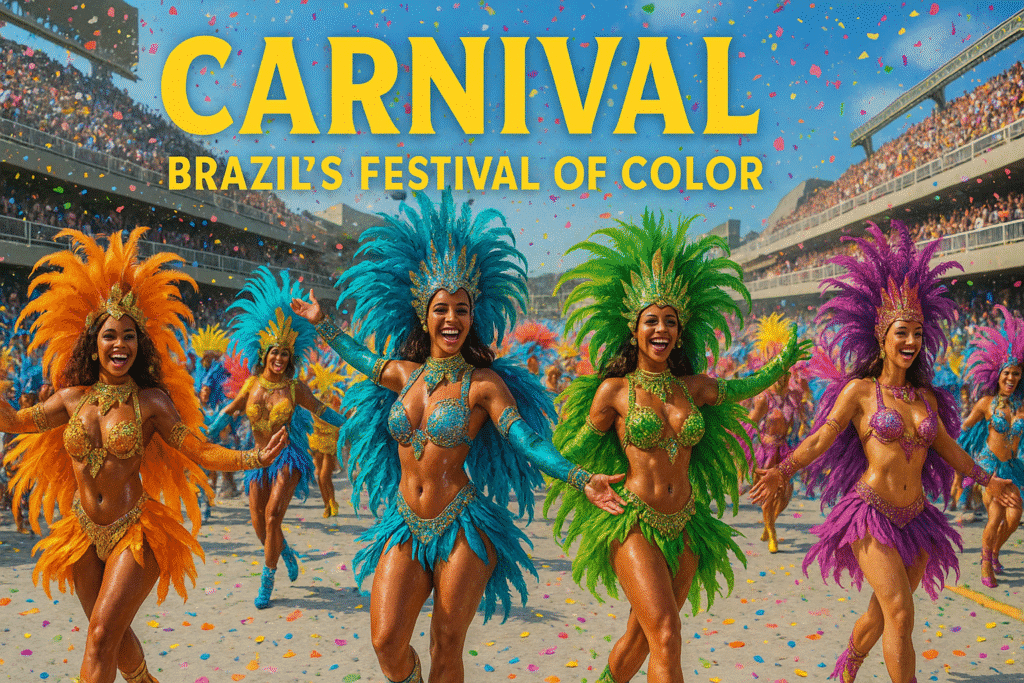
- Rio’s Carnival is a must-see for cultural immersion.
- Anticipate exorbitant costs, sizable crowds, and amazing energy.
🏖️ Summer (December–March)
- Ideal for beach vacations, although most places are hot and muggy.
- Festivals and nightlife abound in Rio, Bahia, and the Northeast.
🚗 How to Travel Around Brazil
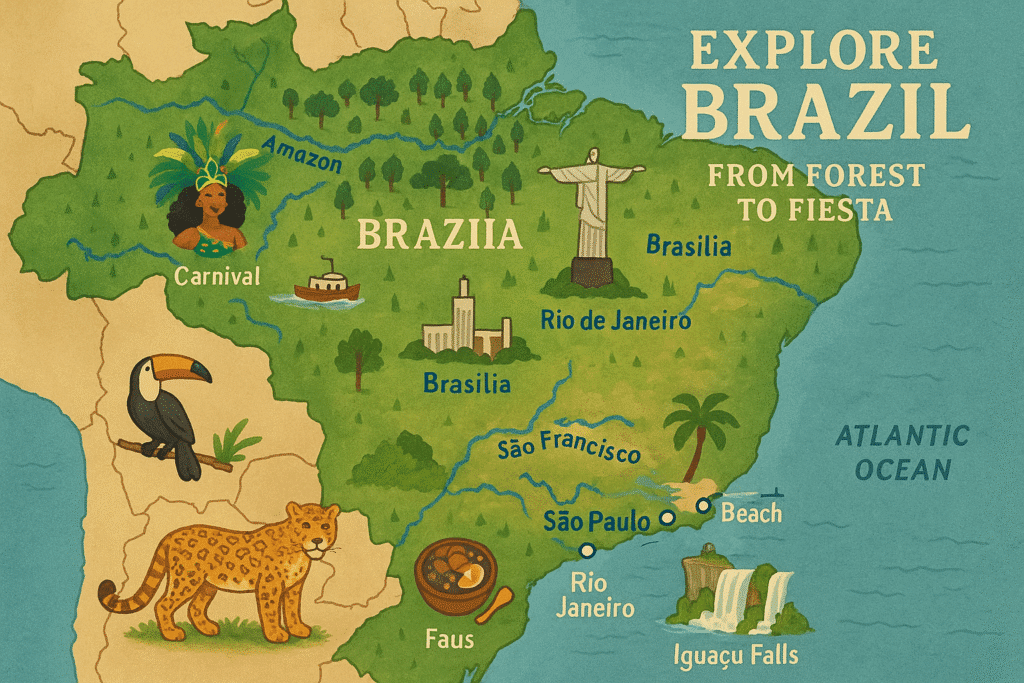
Brazil is huge, so preparation is essential! Here’s how to navigate:
✈️ Flights
- Domestic travel is time-efficient and reasonably priced.
- Principal hubs: Rio (GIG), São Paulo (GRU), and Brasília (BSB)
🚍 Intercity Buses
- A vast and cosy network of coaches
- Leading businesses: 1001, Itapemirim, and GOL
🚗 Car Rentals
- Excellent for road trips in the countryside or along the coast.
- Road quality varies, so use offline Google Maps or GPS.
🚇 Public Transport
- Rio, São Paulo, Brasília, and Belo Horizonte all have metro systems.
- In cities, Uber and 99 app-based rides are prevalent.
🔗 Visit More:
- 👉 Argentina Travel Guide
- 👉 Barbados Travel Guide
- 👉 Angola Travel Guide
- 👉 Armenia Travel Guide
- 👉 Antigua & Barbuda Travel Guide
- 👉 Australia Travel Guide
- 👉 Austria Travel Guide
- 👉 Azerbaijan Travel Guide
- 👉 Bahamas Travel Guide
- 🌐 External Dofollow Links:
- 📘 United Nations – Brazil
- 💼 World Bank – Brazil
- 🗺️ UNESCO Brazil Sites
- 🧳 Official Brazil Tourism Site
✍️ Final Summary
Brazil is a continent inside a country, not just a place to visit. Brazil offers unparalleled diversity in experience, nature, and culture, from its stunning rainforests and wetland safaris to its vibrant festivals and architectural wonders.
Brazil is an amazing place to visit, whether you’re trekking the Amazon, dancing in Rio, diving in Noronha, or discovering colonial treasures. After overcoming obstacles, this South American powerhouse is now a shining example of tourism, trade, ecology, and international collaboration.
📊 Key Facts Table – Brazil
| Feature | Details |
| Official Name | Federative Republic of Brazil |
| Capital | Brasília |
| Population | Approx. 215 million (2024) |
| Currency | Brazilian Real (BRL) |
| Main Language | Portuguese |
| Continent | South America |
| Major Exports | Soybeans, oil, iron ore, beef, coffee |
| Tourism Hotspots | Rio, Amazon, Iguaçu Falls, Pantanal |
| Climate Zones | Equatorial, Tropical, Subtropical |
| UN Member Since | 1945 |
| Best Visit Time | May to October / February for Carnival |