



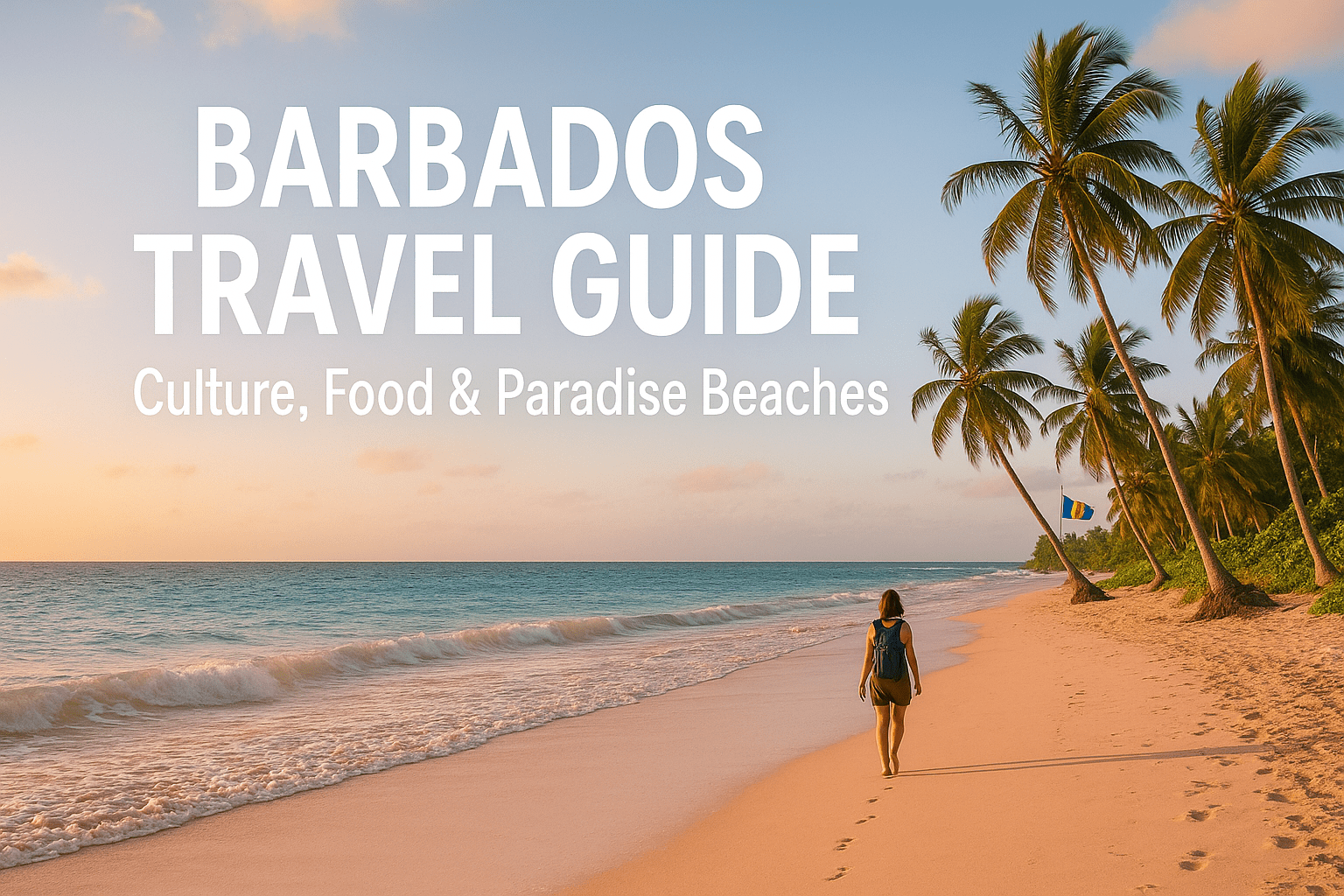
Introduction: Welcome to Barbados 🌴
Barbados is a tropical paradise, a historical site, and a cultural adventure all combined into one Caribbean vacation destination. This alluring island nation, which is tucked away on the eastern shore of the Caribbean Sea, combines the tranquilly of turquoise waters with calypso rhythms, colonial history tales, and the friendly island hospitality that makes an impression on every visitor.
Barbados offers more than just idyllic scenery, with its sun-kissed beaches lining the untamed Atlantic and serene Caribbean coasts. From the subtle elegance of afternoon tea, a holdover from British influence, to the throbbing energy of the Crop Over Festival, this is a land where vibrant traditions flourish. While local fishing villages like Oistins highlight the island’s heart through Friday night fish fries, laughter, and community gatherings, Bridgetown, the capital, proudly displays its UNESCO-listed historic core.
The enigmatic depths of Harrison’s Cave, coral reefs teeming with marine life, and lush tropical gardens are all accessible to nature lovers. Visitors interested in history will discover enduring rum distilleries, plantation estates, and churches that date back hundreds of years. Additionally, Barbados offers foodies a delectable introduction to Bajan cuisine, featuring rich pepperpot stews, tropical fruits brimming with flavour, and national dishes like cou-cou and flying fish.
Barbados welcomes you as family, not just as a visitor, regardless of your interests—leisure, adventure, culture, or cuisine. It’s an island that tells its own stories, moves to its own beat, and invites you to join in. Barbados is more than just a place to visit. A memory is being created.
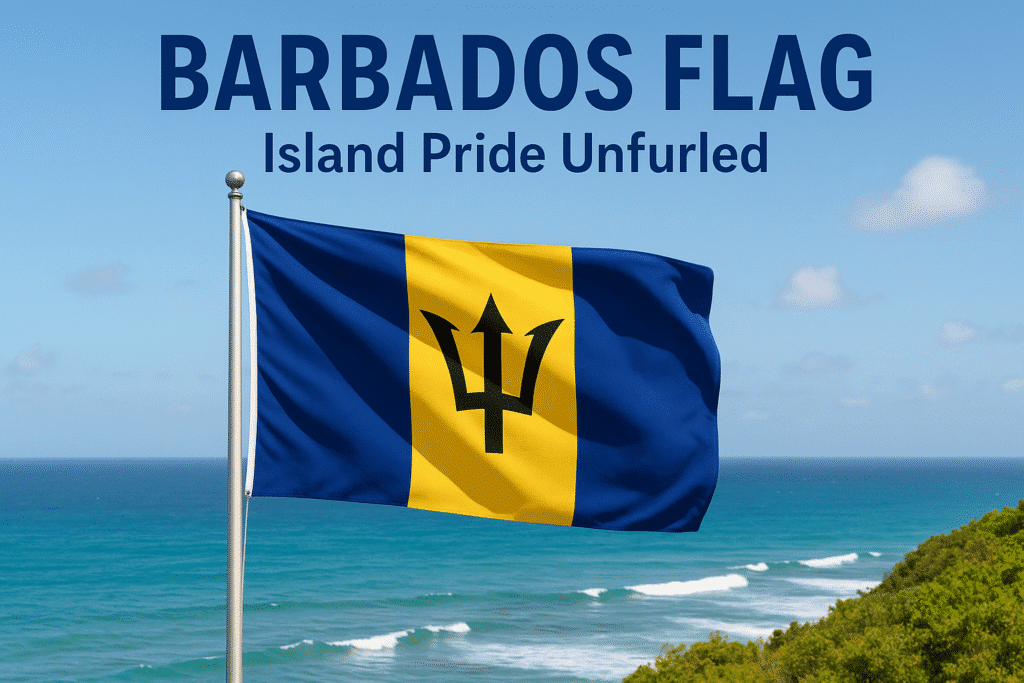
📜 A Brief History of Barbados
Barbados’ fascinating history combines colonial control, slavery, emancipation, indigenous ancestry, and proud independence.
Key Historical Milestones:
- Pre-Colonial Period: Barbados was first inhabited by the Arawaks and then the Caribs. Until the 13th century, they made their living from farming, fishing, and pottery-making.
- Portuguese Influence (1536): Pedro a Campos, a Portuguese explorer, gave the island’s fig trees with aerial roots the nickname “Barbados” after describing them as “the bearded ones.”
- British Colonisation (1627): After the first English settlers arrived and established a plantation economy, Barbados became a British colony.
- Sugar & Slavery: For centuries, the sugar industry, which relied on the labour of Africans held in slavery, powered the economy.
- Emancipation (1834): Barbados’ socioeconomic structure changed when slavery was formally outlawed throughout the British Empire.
- Barbados attained complete independence on November 30, 1966, although it continued to be a part of the Commonwealth.
- Barbados became a republic in 2021 after its first president was chosen and Queen Elizabeth II was removed as head of state.
Barbados’s social identity, governance, and culture are still shaped by its past.
🌍 Geography of Barbados
Where is Barbados Located?

Barbados is the easternmost island of the Lesser Antilles, located in the eastern Caribbean.
- North America is the continent.
- Area: Caribbean
- Location: 13.1939° N latitude, 59.5432° W longitude
- Countries Encircled by the Sea:
- Lucia
- The Grenadines and Saint Vincent
- Tobago and Trinidad
Barbados has close political and cultural ties to its Caribbean neighbours despite its geographic isolation.
Landscape and Environment
- There are numerous underground limestone caverns and aquifers, but no significant rivers or lakes.
- Terrain: Coral limestone foundation, low hills, and rolling terrain.
- Climate: Tropical with two distinct seasons: June to November is the wet season, and December to May is the dry season.
- Beaches: More than 70 miles of immaculate coastline with rocky eastern cliffs and serene western beaches.
🎭 Culture of Barbados (Bajan Culture)
Barbados’ culture, which is a vibrant fusion of Caribbean, British, and African customs, is lovingly referred to as Bajan culture.
Religion & Spirituality
- Christianity predominates (Anglicanism is the most common), but other religions, such as Hinduism and Rastafari, are becoming more and more popular.
- In Barbados, churches serve as both community centres and houses of worship.
Music & Dance

- Music is the heartbeat of Barbados.
- Popular genres include reggae, soca, and calypso.
- The traditional Tuk band incorporates folk dance, drumming, and whistling.
- African traditional dance forms meld with contemporary Caribbean beats.
Festivals

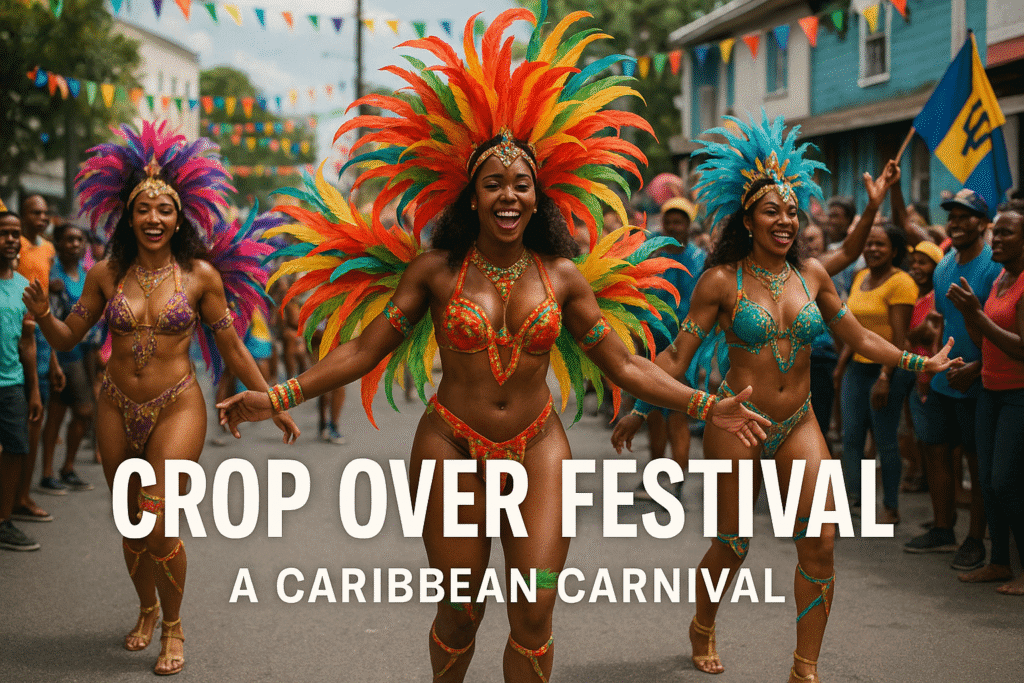
- Barbados’ biggest and most well-known celebration, the Crop Over Festival, marks the conclusion of the sugar cane harvest. It includes parades, music, costumes and the Calypso Monarch’s coronation.
- With food vendors, boat races, and live music, the Oistins Fish Festival honours Barbados’ fishing heritage.
Cuisine
Barbados’ island heritage and colonial past are reflected in their cuisine:
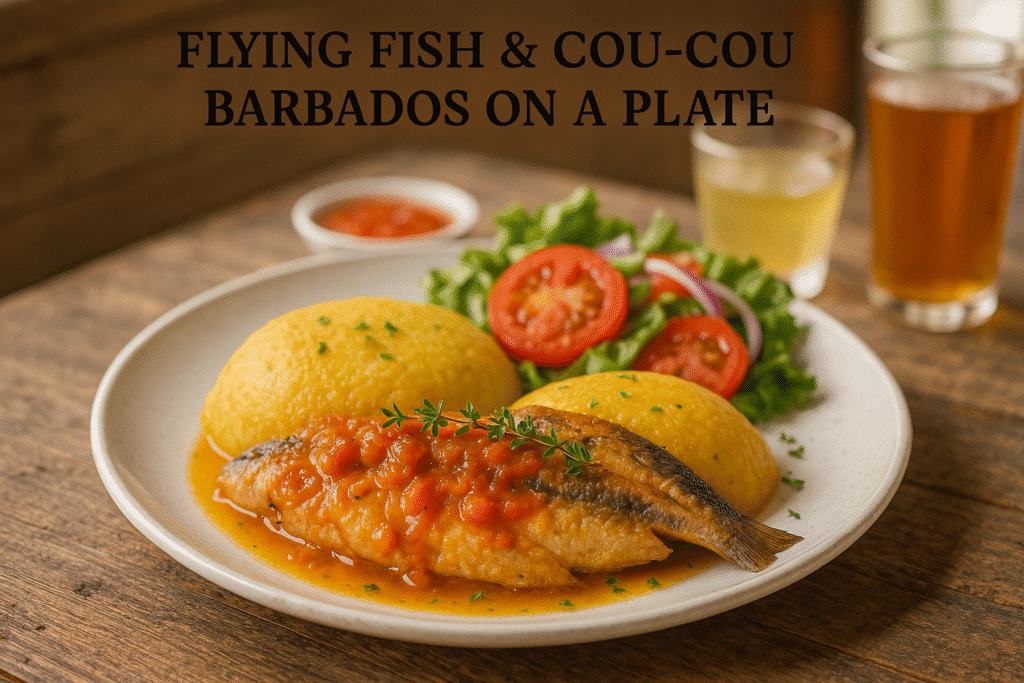
- The national dish, flying fish and cou-cou, is served with okra and cornmeal.The Bajan version of baked mac and cheese is called macaroni pie.Jug Jug: A popular Christmas dish made with guinea corn and pigeon peas.- Rum Punch: Mount Gay Rum was established in 1703, making Barbados the birthplace of rum.- Bajan Pepper Sauce: A hot sauce made with mustard, turmeric, and Scotch Bonnet peppers.
💼 Economy of Barbados
Barbados’ diverse economy contributes to its high standard of living when compared to other Caribbean countries.
Key Economic Sectors:
- The main driver of GDP is tourism. Luxury lodging, scuba diving, and cultural heritage draw large numbers of tourists.
- Banking, insurance, and business services are all included in offshore finance. Barbados is a popular place to do business internationally.
- Agriculture: Although it is currently a small industry, sugar cane is still symbolic. Vegetables, yams, and sweet potatoes are additional crops.
- Manufacturing: Contains chemicals, rum, textiles, and electronics.
Currency
- The fixed exchange rate for Barbados dollars (BBD) is 1 USD = 2 BBD.
Trade Partners
- China, Trinidad and Tobago, Canada, the United States, and the United Kingdom.
Barbados’ Vision 2030 economic plan continues to place a high priority on green energy, digital development, and education.
🏖️ Tourist Attractions in Barbados
Every kind of tourist, from beachcombers to culture vultures, is drawn to Barbados..
Natural Attractions
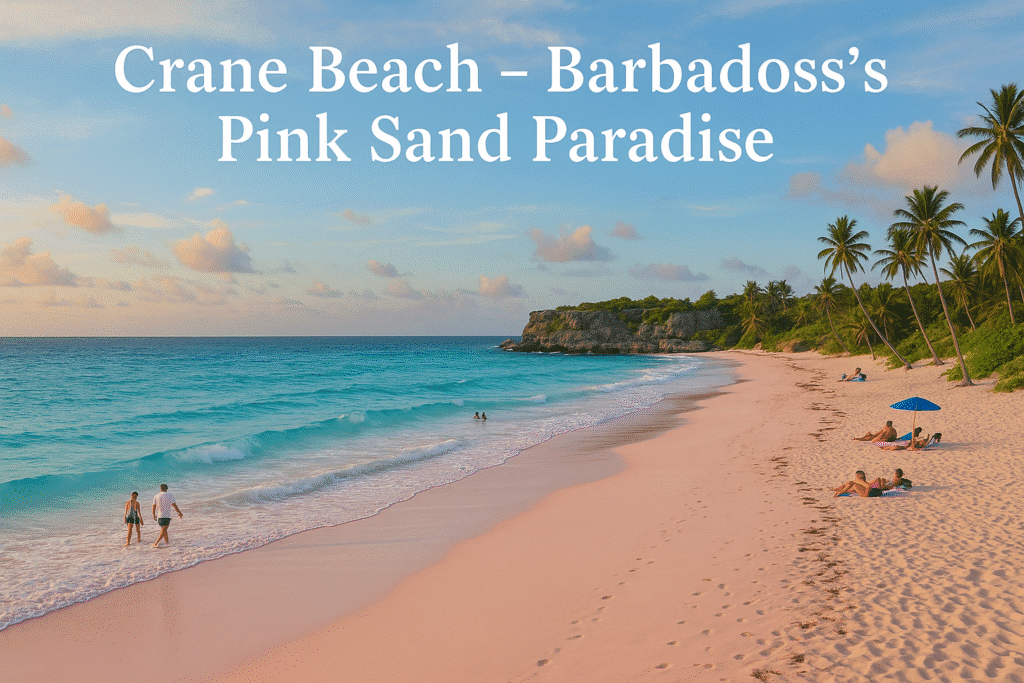
- One of the best beaches in the world, Crane Beach features turquoise waters and soft pink sand.
- On the rocky east coast, Bathsheba Beach is a surfer’s paradise.
- Harrison’s Cave is a breathtaking network of caverns with stalactites and waterfalls.
- The Barbados Wildlife Reserve is home to exotic birds, deer, tortoises, and green monkeys.
- The central highlands’ Flower Forest is a botanical wonder.
Historic & Cultural Sites
- Bridgetown is the nation’s capital and a UNESCO World Heritage Site. The Careenage and the Parliament Buildings are highlights.
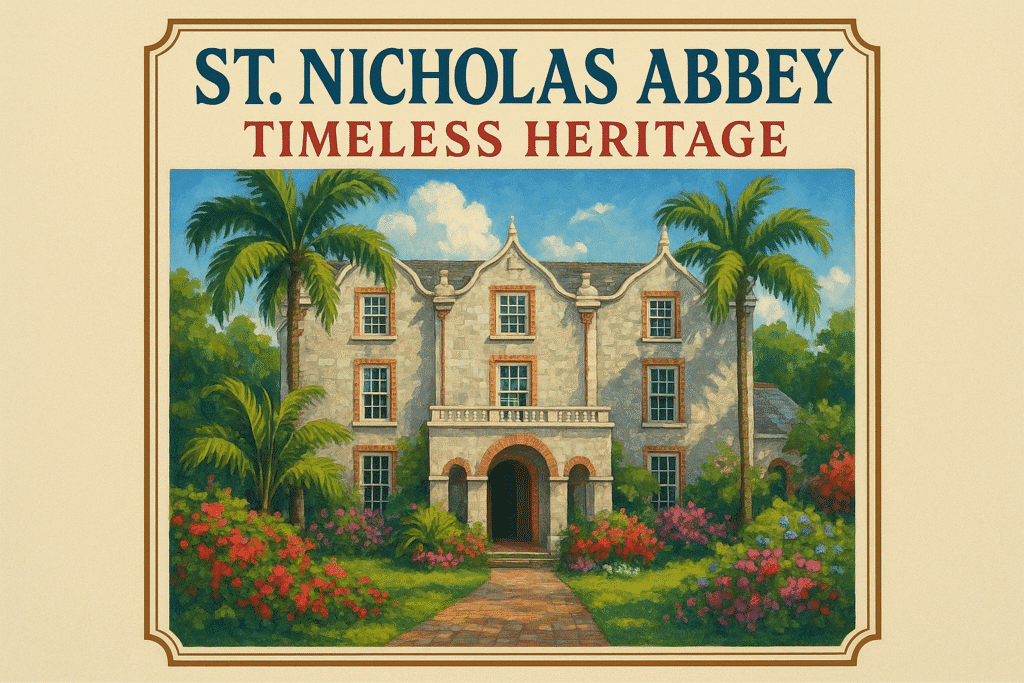
- St. Nicholas Abbey is a Jacobean mansion and rum distillery from the 17th century.
- The George Washington House is where the first American president stayed in 1751.
- One of just two sugar mills in the Caribbean that has been restored is the Morgan Lewis Windmill.
Activities

- West coast catamaran cruises.
- Scuba diving and snorkelling in Carlisle Bay.
- For off-road experiences, consider Island Safari Tours.
- Golf: Sandy Lane and Royal Westmoreland are two of the top-rated golf courses.
🗣️ Languages Spoken in Barbados
For tourists from around the world, Barbados is a linguistically accessible destination.
Official and Spoken Languages:
- The official language is English, which is utilised in the media, government, business, and educational institutions.
- The local informal dialect, known as Bajan Creole (Bajan Dialect), is a blend of English and West African languages. After some exposure, English speakers can usually understand it easily, despite the fact that it may sound rhythmic and fast-paced.
Depending on the situation, locals frequently switch between Standard English and Bajan. Fluency in English throughout the island is a huge convenience for tourists.
🌟 Unique and Interesting Facts About Barbados
Barbados offers some genuinely unexpected facts in addition to its natural beauty and culture:
- 🌧🇧 George Washington only travelled to Barbados. The George Washington House, where he stayed in Bridgetown in 1751, is now a well-known historical landmark.
- 🥃 Mount Gay Distilleries, the oldest rum distillery in the world, was founded in 1703.
- With a literacy rate of over 99%, it is among the highest in the Western Hemisphere.
- 🧱 Its limestone geology contains extensive cave systems and underground aquifers, but it lacks rivers.
- 💼 Bridgetown is home to the Commonwealth’s third-oldest parliament and its Parliament Buildings.
- 🌺 Caesalpinia pulcherrima, Barbados’ pride, is the country’s national flower.
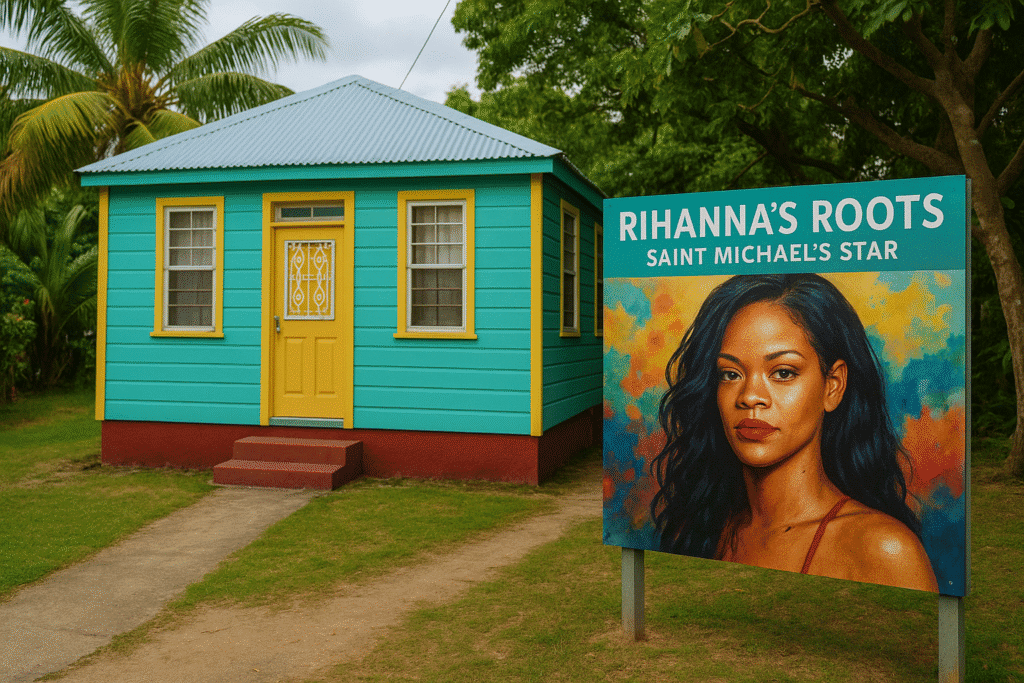
- 🎤 Born in Saint Michael, Barbados, Rihanna is a global pop sensation and entrepreneur who was recognised as a national hero in 2021.
🌐 Barbados’s Role in Global Organizations
Barbados is dedicated to democratic governance, sustainable development, and regional cooperation, and it continues to have a significant presence on the global scene.
Global Memberships:
- Member of the United Nations (UN) since December 9, 1966
- The Commonwealth of Nations
- The World Bank
- The International Monetary Fund (IMF)
- Organisation for World Trade (WTO)
- Organisation for Education, Science, and Culture of the United Nations (UNESCO)
- American States Organisation (OAS)
- Community of the Caribbean (CARICOM)
Barbados frequently promotes economic resilience, digital equity, and climate action in international fora as a developing country and republic.
🏙️ Major Cities and Urban Life
Despite being a small island (about 430 km2), Barbados offers a blend of modern comforts and heritage charm in its urban life.
1. Bridgetown (Capital City)
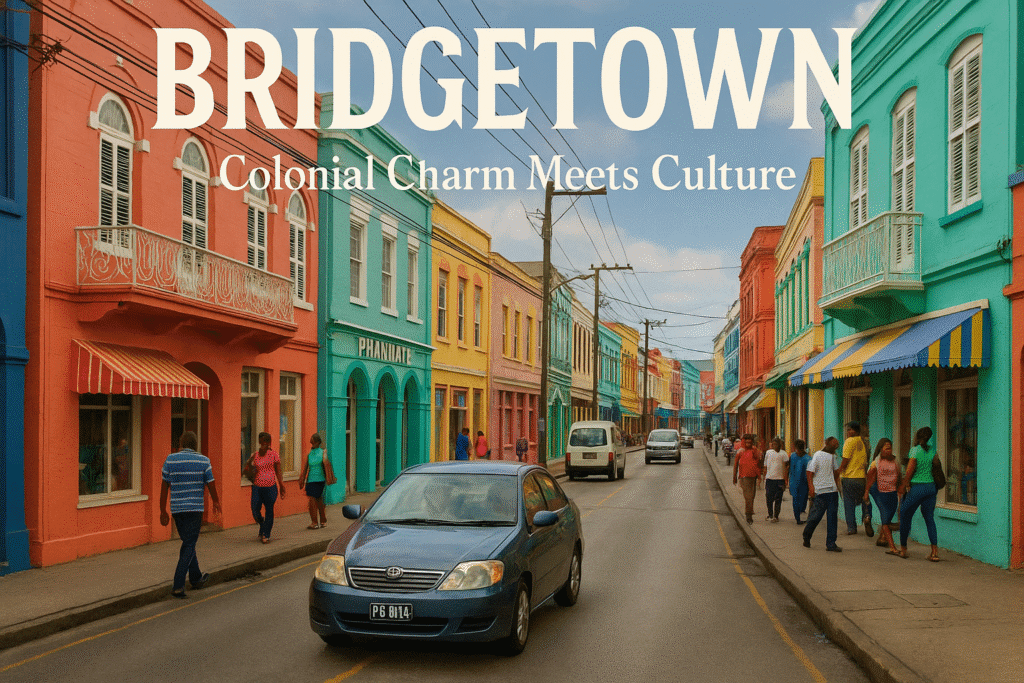
- About 110,000 people call this place home.
- situated within the Saint Michael parish.
- UNESCO World Heritage Site
- Important Locations: Pelican Craft Centre, Cheapside Market, Parliament Buildings, and National Heroes Square
2. Speightstown
- situated in the Saint Peter parish.
- Well-known for its art galleries, peaceful beaches, and colonial architecture
- Because of its longstanding British connections, it was formerly known as “Little Bristol.”
3. Oistins
- Well-known for the weekly Fish Fry Festival
- situated in the parish of Christ Church.
- A fishing village renowned for its local nightlife, street food, and live music
4. Holetown
- Situated in the parish of Saint James
- The location of the first English settlement in 1627
- renowned today for its opulent resorts, exquisite dining, and high-end retail
📆 Best Time to Visit Barbados
Although the weather in Barbados is generally stable throughout the year, the time of year can have an impact on your experience and spending limit.
Climate Overview:
- Dry Season: December through May: Perfect for travel, with clear skies and little precipitation.
- June through November is the wet season, which brings with it higher humidity, afternoon showers, and sporadic tropical storms.
Recommended Times:
- Mid-December to April is peak season; make reservations in advance!
- Economical Time frame: June through October (be on the lookout for hurricane warnings, but take advantage of fantastic airfare and lodging offers).
🚖 Getting Around Barbados
There are numerous affordable transport options available in Barbados.
Public Transport:
- ZR Vans: Cheap, quick, and frequently packed, these small, white minibuses have “ZR” license plates.
- Government buses are yellow-striped, blue buses that travel most routes and are reasonably priced.
Taxis & Rentals:
- Taxis are standardised by fare zones but are not metered. Before you ride, find out the rate.
- Scooters and cars can be rented, but keep in mind that driving is on the left.
Other Travel Tips:
- Travel times are short because the island is only 34 km (21 mi) long.
- Don’t be afraid to ask for directions; locals are very helpful!
📋 Barbados Quick Facts Table
| Feature | Details |
| Capital | Bridgetown |
| Currency | Barbadian Dollar (BBD) |
| Official Language | English |
| Local Dialect | Bajan Creole |
| Independence | November 30, 1966 |
| Government Type | Parliamentary Republic |
| Time Zone | Atlantic Standard Time (UTC -4) |
| UN Membership | Since 1966 |
| National Dish | Flying Fish and Cou-Cou |
| National Hero | Rihanna (Robyn Rihanna Fenty) |
🧭 Final Summary: Why Visit Barbados?
Barbados is a timeless destination where culture, nature, and history converge. From UNESCO heritage sites to coral reef snorkeling, this island offers experiences that go far beyond the typical beach vacation. With a strong sense of national pride, warm and friendly locals, and world-class cuisine and music, Barbados welcomes you not as a tourist—but as family.
Whether you’re exploring the capital of Bridgetown, sipping fresh rum at a plantation, or dancing in a Crop Over parade, Barbados will capture your heart and leave a lasting impression.
🌐 Authoritative External Links for Barbados Blog (DoFollow)
🔹 Travel & Tourism
- Visit Barbados (Official Tourism Website)
👉 https://www.visitbarbados.org
(Barbados’ official tourism website featuring events, attractions, and travel advice.) - Barbados on Lonely Planet
👉 https://www.lonelyplanet.com/barbados
(Reliable guide to Barbados’s sights, activities, and cuisine.) - TripAdvisor – Top Things to Do in Barbados
👉 https://www.tripadvisor.com/Tourism-g147262-Barbados-Vacations.html
(Reviews and suggestions for experiences from actual travellers.)
🔹 Government & Geography
- Barbados Government Portal
👉 https://www.gov.bb
(Official website for public services, governance, and national updates.) - CIA World Factbook – Barbados
👉 https://www.cia.gov/the-world-factbook/countries/barbados/
(Reliable data on the economy, population, geography, and government.) - UNESCO – Historic Bridgetown and its Garrison
👉 https://whc.unesco.org/en/list/1376
(The colonial district of Bridgetown is listed as a UNESCO World Heritage Site.)
🔹 Culture & History
- National Cultural Foundation of Barbados
👉 https://ncf.bb
(Crop Over Festival organisers and cultural projects.) - Mount Gay Rum Distilleries (Est. 1703)
👉 https://www.mountgayrum.com
(The official location of Barbados’ oldest rum distillery in the world.) - Barbados Museum & Historical Society
👉 http://www.barbmuse.org.bb
(Preserving and showcasing the rich history of the island.)
🔹 Economy & Development
- World Bank – Barbados Country Profile
👉 https://data.worldbank.org/country/barbados
(Data on development and economic indicators.)
International Monetary Fund – Barbados
👉 https://www.imf.org/en/Countries/BRB
(Financial outlooks and reports.)