



Introduction to Cameroon
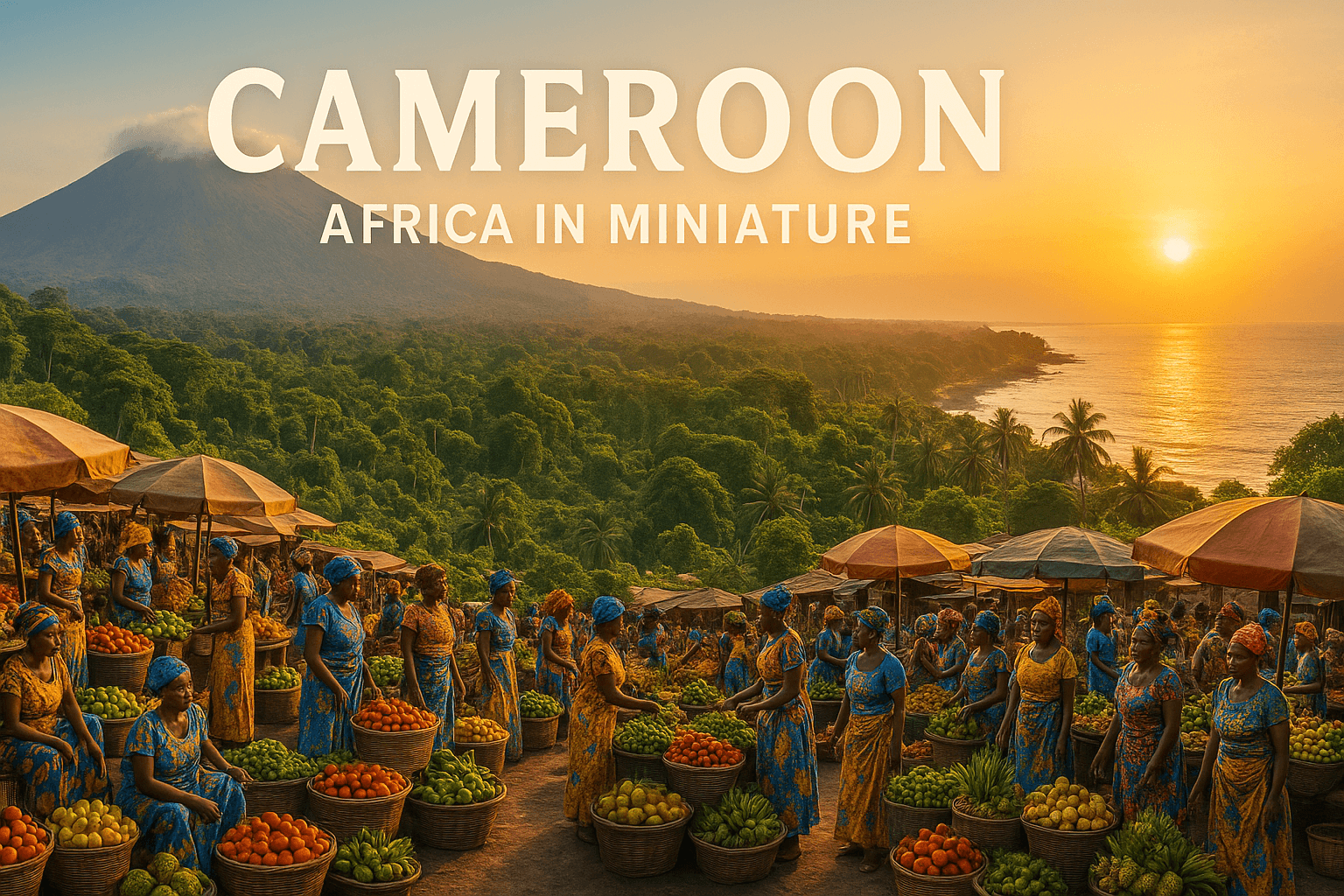
Known as “Africa in Miniature,” Cameroon is a dynamic and multifaceted country in Central Africa. With its diverse landscapes that include volcanic mountains, dense rainforests, and golden beaches, Cameroon gives visitors a taste of Africa all in one place. A rich and vibrant national identity is produced by the country’s blending of cultures, languages, and customs, and it continues to draw in tourists, business investors, and historians. To help you completely understand this intriguing country, we will go over Cameroon’s history, geography, cultural heritage, economy, attractions, and important travel advice in this guide.
Historical Overview of Cameroon
Early History and Indigenous Kingdoms
Archaeological evidence indicates that human settlements in Cameroon date back at least 50,000 years, indicating the country’s long history. Various ethnic groups, including the Baka (Pygmies), who lived in the thick forests, were among the first residents. Later, agricultural communities founded strong kingdoms. The Kingdom of Sao, which flourished around Lake Chad from the sixth to the sixteenth centuries, was one of the first known polities.
European Exploration and Colonization
The Portuguese were the first Europeans to arrive in the 15th century, giving the region its name from the Portuguese word “Rio dos Camarões” (River of Prawns), referring to the abundance of prawns in the Wouri River. In the late 19th century, Cameroon became a German colony, known as Kamerun, until World War I when it was divided between Britain and France under League of Nations mandates.
Path to Independence
On January 1, 1960, French Cameroon became an independent nation. In 1961, it united with British Southern Cameroons to become the Federal Republic of Cameroon. A rare trait in Africa, this union produced a bilingual country with French and English as official languages. Since then, Cameroon’s political climate has been more stable than that of many of its neighbours, despite internal issues with governance and regional conflicts.
Geographical Location of Cameroon
Position in Africa
Cameroon is located in Central Africa and shares borders with Equatorial Guinea, Gabon, and the Republic of the Congo to the south, Nigeria to the northwest, Chad to the northeast, and the Central African Republic to the east. It boasts a 402-kilometer coastline along the Gulf of Guinea in the Atlantic Ocean to the west.
Coordinates and Terrain
The country is roughly located at latitude 6.5° N and longitude 12.5° E. Coastal plains, rainforest basins, high plateaus, and the volcanic Mount Cameroon—the highest peak in West and Central Africa at 4,095 meters (13,435 feet)—are all features of Cameroon’s varied landscape.
Climate Zones
The climate of Cameroon varies greatly.:
- The south has an equatorial climate with thick rainforests and high humidity.
- In the centre, there is tropical savanna.
- The semi-arid The northern Sahelian climate.
- Because of this diversity, a single trip can experience a variety of weather conditions..
Cultural Heritage of Cameroon
Ethnic Diversity
The Fang, Beti, Fulani, Bamiléké, and Bakweri peoples are among the more than 250 ethnic groups that call Cameroon home. Across the nation, this diversity affects social structures, language, and customs.
Languages
The colonial past is reflected in the official languages of English and French. Furthermore, Cameroon is home to more than 200 indigenous languages, making it one of the world’s most linguistically diverse nations.
Religious Practices
The two main religions are Islam and Christianity, but a sizable section of the populace also practices traditional African religions. Christian, Muslim, and traditional ceremonies frequently coexist in Cameroonian society, which is known for its religious tolerance.
Festivals and Celebrations
- Ngondo Festival (Douala): A festival centred around water that pays homage to the Wouri River’s spirits.
- Nguon Festival (Bamoun Kingdom): A biannual cultural event honouring the Bamoun people.
- Mount Cameroon Race of Hope – A yearly marathon that climbs and descends Mount Cameroon.
- National Day – commemorated on May 20, the day of the 1972 referendum that resulted in the creation of a unitary state.
Music and Dance
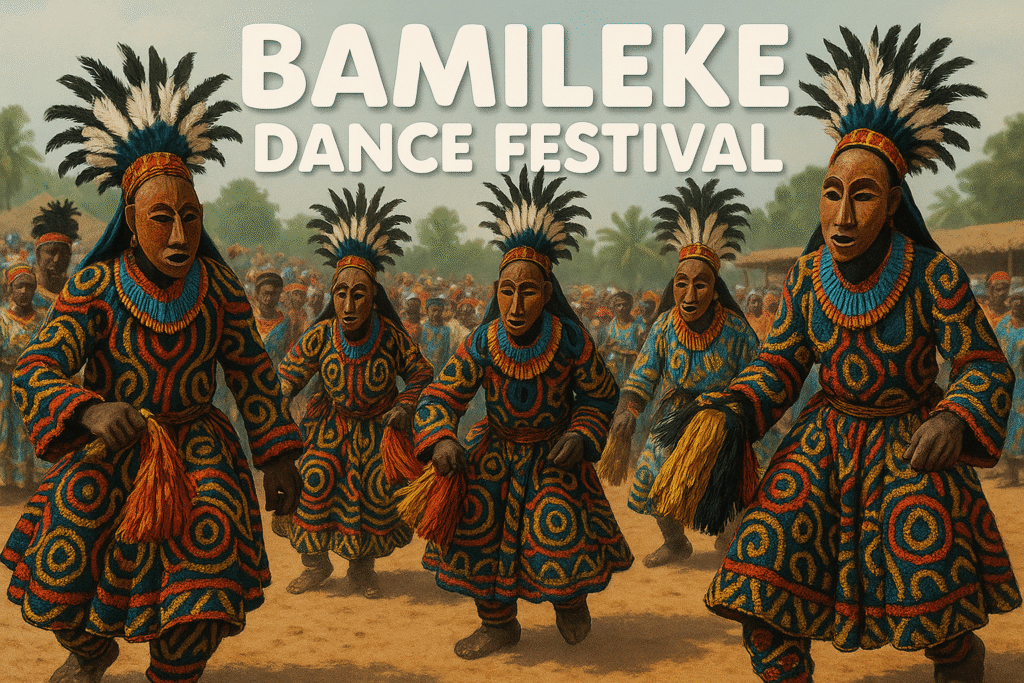
Artists like Manu Dibango and Charlotte Dipanda are becoming well-known worldwide, and Cameroon’s music is known throughout the world for genres like Makossa and Bikutsi. Each ethnic group has its own traditional dances, which are frequently accompanied by string instruments, xylophones, and drums.
Cuisine
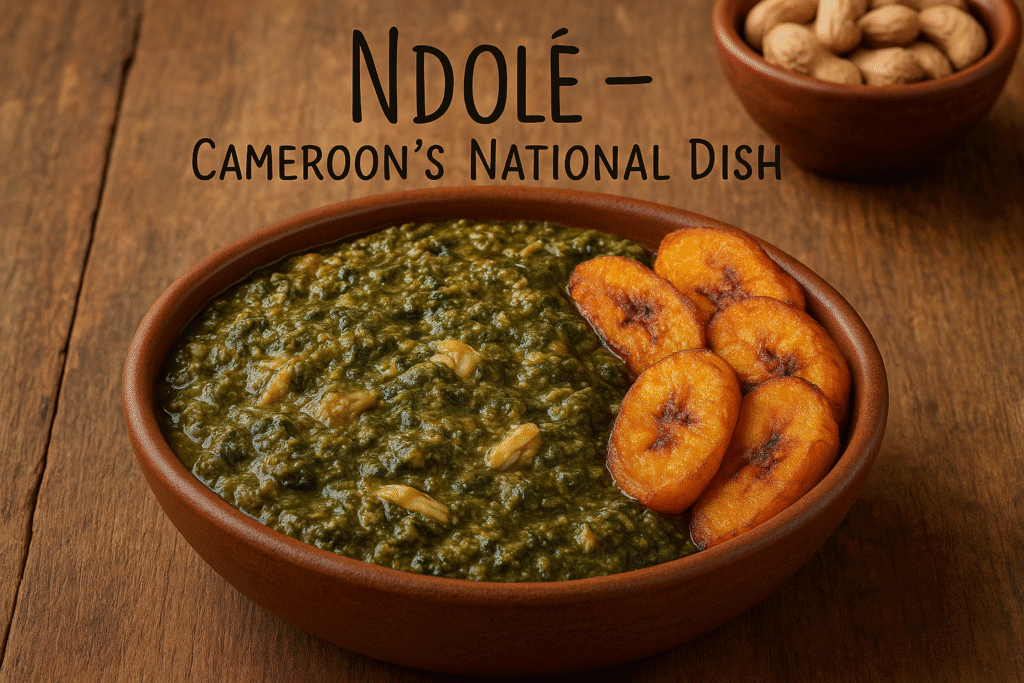
The geography and ethnic diversity of Cameroon are reflected in its cuisine:
- Ndolé – a stew consisting of meat or fish, peanuts, and bitter leaves.
- Achu Soup – A classic Northwest dish, served with mashed cocoyams.
- Suya – Grilled meat skewers with spice.
- Plantains, cassava, and maize are staple foods across the country.
Economy of Cameroon
Overview
Cameroon’s economy is one of the most diversified in Central Africa, benefiting from agricultural production, oil and gas resources, manufacturing, and services. The government aims to position Cameroon as an emerging economy by 2035 through its Vision 2035 plan, which emphasizes infrastructure development, industrialization, and human capital investment.
Currency
The official currency is the Central African CFA franc (XAF), which Cameroon shares with five other Central African countries under the Central African Economic and Monetary Community (CEMAC). It is pegged to the euro, providing monetary stability.
Key Industries
- Agriculture: Cocoa, coffee, cotton, bananas, and palm oil are major cash crops. Subsistence farming is also common.
- Oil and Gas: Oil production, both onshore and offshore, makes a substantial contribution to export earnings.
- Timber and Forestry: Over 40% of Cameroon’s land is covered by forests, making timber a significant export.
- Manufacturing: includes the production of cement, textiles, food processing, and aluminium refinement.
- Tourism: includes the production of cement, textiles, food processing, and aluminium refinement.
Trade Partners
China, France, Spain, Italy, and the Netherlands are Cameroon’s principal trading partners. To promote intra-African trade, it also engages in trade within the African Continental Free Trade Area (AfCFTA).
Tourism in Cameroon
Natural Attractions
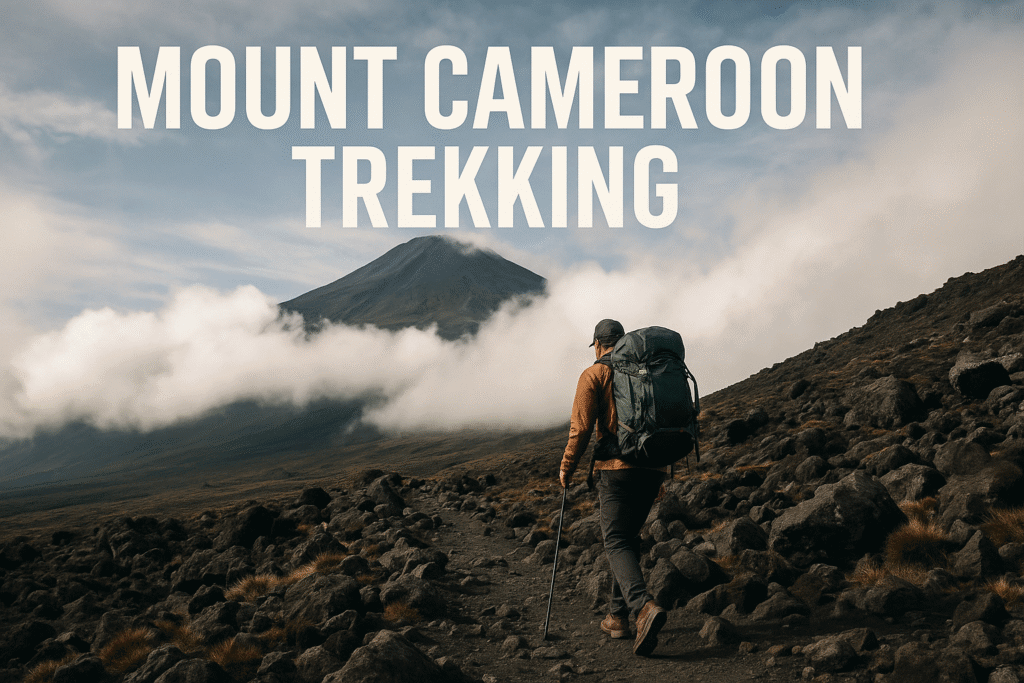
- Mount Cameroon – A popular destination for hikers, particularly during the annual Mount Cameroon Race of Hope, this towering active volcano is a popular destination.
- Waza National Park – home to many bird species, giraffes, lions, and elephants.
- Korup National Park – Rare primates and therapeutic plants can be found in one of Africa’s oldest rainforests.
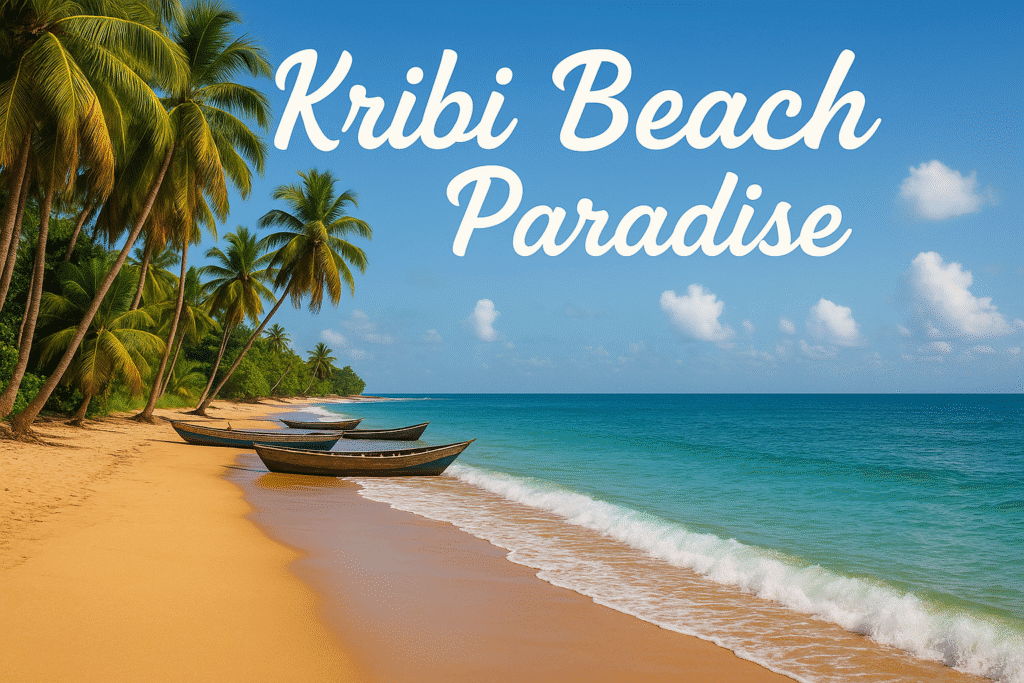
- Kribi Beach – The neighbouring Chutes de la Lobé waterfalls, which cascade straight into the ocean, and white sand beaches.
Historic and Cultural Sites
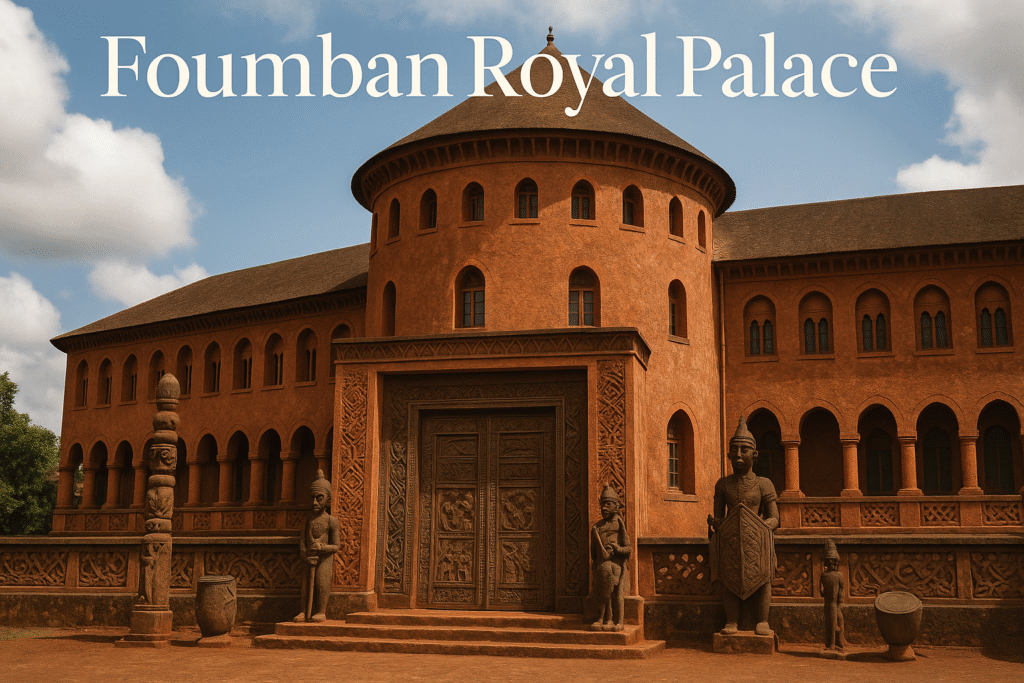
- Foumban Royal Palace – A museum displaying royal regalia is located in the heart of the Bamoun Kingdom.
- Bimbia Slave Trade Site – A site of historical significance associated with the transatlantic slave trade.
- Yaoundé’s Basilique Marie-Reine-des-Apôtres – A major Catholic landmark.
UNESCO World Heritage Sites
There are two UNESCO sites in Cameroon:
- Dja Faunal Reserve – a sanctuary for biodiversity, home to endangered chimpanzees and gorillas.
- Sangha Trinational – a shared conservation area with Congo and the Central African Republic.
Languages in Cameroon
In keeping with the nation’s colonial past, French and English are the official languages. Being officially bilingual at the national level sets Cameroon apart from other African countries.
Additionally, there are more than 200 indigenous languages that are widely used in communities and cultural expressions, including Ewondo, Fulfulde, Duala, and Basaa.
Cameroonian Pidgin English serves as a common language in urban areas, especially in casual settings and marketplaces.
Interesting Facts about Cameroon
- Cameroon is known as Africa in Miniature because it encompasses nearly every climatic and geographical zone in Africa.
- Known locally as “Mongo ma Ndemi,” Mount Cameroon is the highest point in West and Central Africa.
- Football Powerhouse: The Indomitable Lions, Cameroon’s national football team, have won five African Cup of Nations titles and most notably defeated Argentina in the FIFA World Cup in 1990.
- Endemic Species: Some species, like the world’s largest frog, the Goliath frog, are unique to Cameroon.
Cameroon in the Global Arena
United Nations Membership
Shortly after gaining independence, on September 20, 1960, Cameroon joined the United Nations.
It actively takes part in international development initiatives and UN peacekeeping missions.
Other International Organizations
Cameroon is also a member of:
- The African Union (AU)
- Organisation for World Trade (WTO)
- The Commonwealth of Nations
- Francophonie
- CEMAC stands for Central African Economic and Monetary Community.
Major Cities of Cameroon
Yaoundé (Capital)
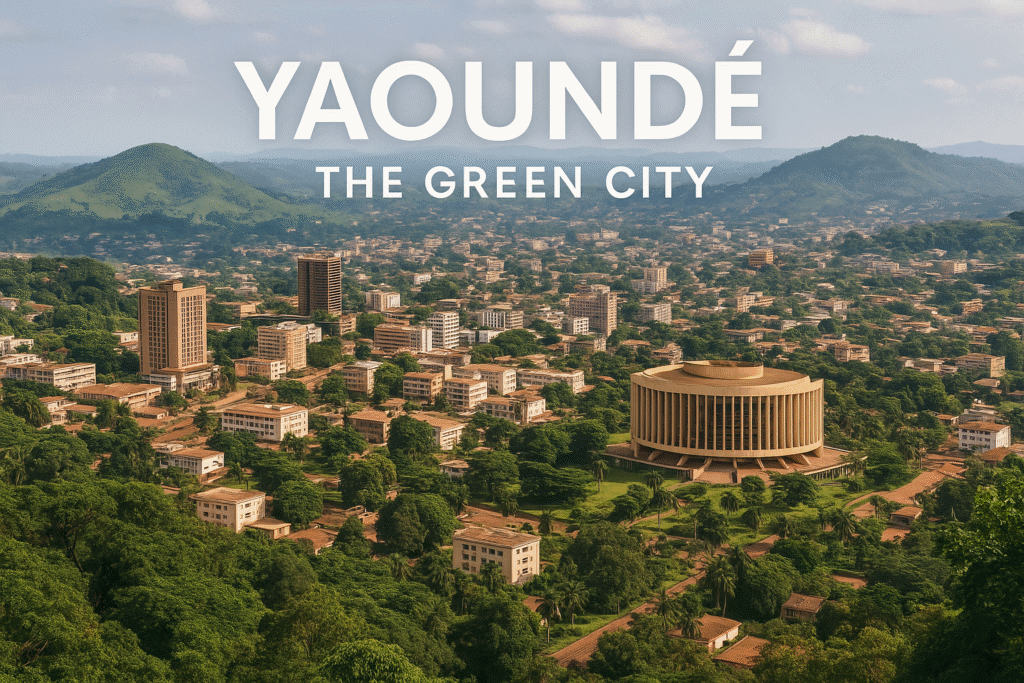
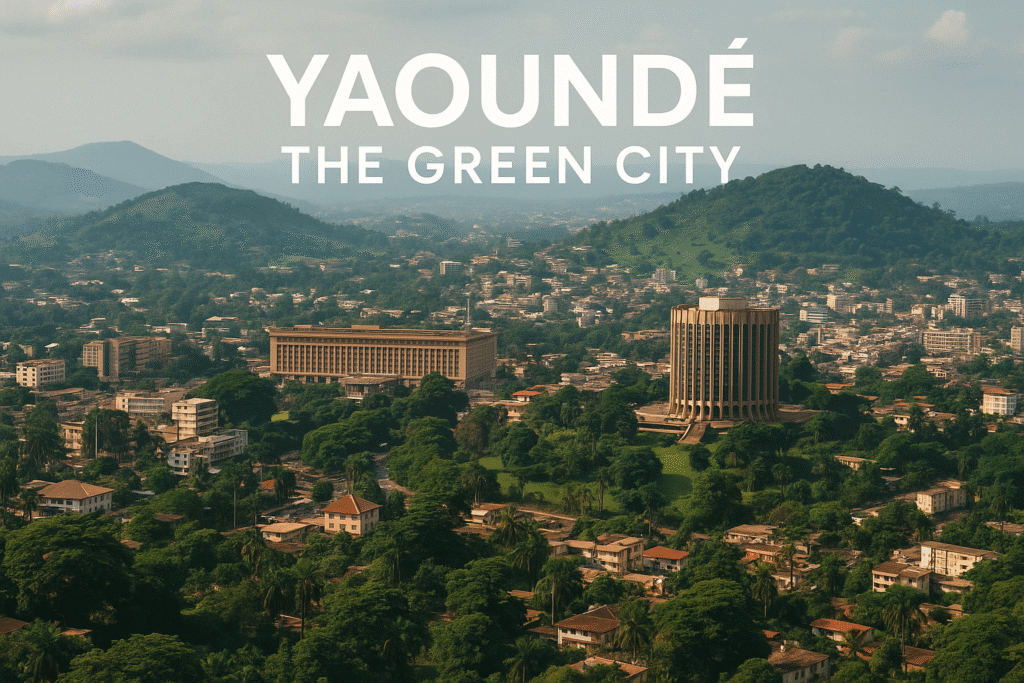
Known for its hilly terrain and green areas, this is Cameroon’s political and administrative centre. The Unity Palace and the National Museum are important locations.
Douala
The largest city and economic centre, with a thriving business community and the nation’s largest port.
Garoua
Garoua is a centre of industry and agriculture in the north.
Bamenda
The capital of the Northwest Region is renowned for its beautiful scenery and rich cultural legacy.
Bafoussam
Known for producing coffee, this major city in the West Region is encircled by volcanic highlands.
Best Times to Visit Cameroon
The ideal time to visit Cameroon depends on your travel itinerary because the country’s climate varies by region.
Dry Season (November to February) – Best Overall
Clear skies, pleasant temperatures, and less precipitation are all available during this time. It is perfect for hiking Mount Cameroon, taking wildlife safaris in Waza National Park, and relaxing on the beaches of Limbe and Kribi.
Wet Season (March to October) – Lush Landscapes
Travel can be difficult during periods of heavy rain, but the countryside turns gorgeously green. It’s a great time to visit rainforests and observe birds.
Pro Tip: February is ideal for hiking Mount Cameroon because it falls during the Race of Hope.
How to Travel Around Cameroon
By Air
The national airline, Camair-Co, offers domestic service between Yaoundé, Douala, and Garoua, among other major cities.
By Road
Although road conditions vary, most towns are connected by buses and shared taxis. 4×4 vehicles are advised in rural areas, particularly during the rainy season.
By Train
Passenger trains operated by Cameroon Railways (CAMRAIL) provide a picturesque means of travelling through the countryside between Douala, Yaoundé, and Ngaoundéré.
Local Transport
Although safety gear is advised, motorbike taxis, or ‘benskin’, are common in urban areas.
Official & Government Resources
International Organizations
- United Nations – Cameroon Profile
- UNESCO World Heritage – Cameroon
- World Bank – Cameroon Overview
- African Union – Cameroon
- Commonwealth of Nations – Cameroon
Travel & Tourism
Wildlife & Conservation
Visit More:
A
- Afghanistan 👈
- Albania 👈
- Algeria 👈
- Andorra 👈
- Angola 👈
- Antigua and Barbuda 👈
- Argentina 👈
- Armenia 👈
- Australia 👈
- Austria 👈
- Azerbaijan 👈
B
12. Bahamas 👈
13. Bahrain 👈
14. Bangladesh 👈
15. Barbados 👈
16. Belarus 👈
17. Belgium 👈
18. Belize 👈
19. Benin 👈
20. Bhutan 👈
21. Bolivia 👈
22. Bosnia and Herzegovina 👈
23. Botswana 👈
24. Brazil 👈
25. Brunei 👈
26. Bulgaria 👈
27. Burkina Faso 👈
28. Burundi 👈