



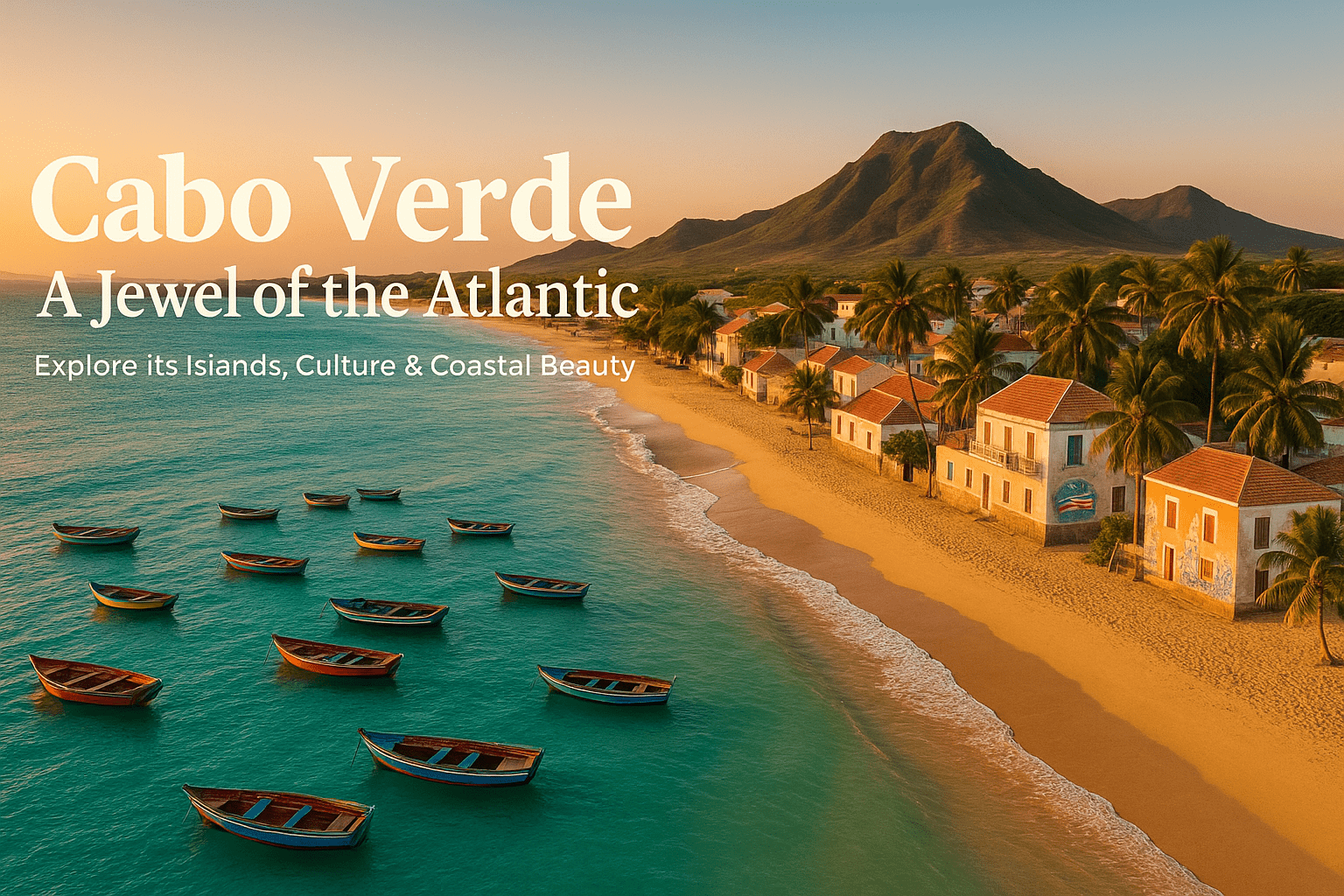
🌍 Introduction to Cabo Verde
The fascinating island nation of Cabo Verde, also referred to as Cape Verde in English, is located off the northwest coast of Africa in the Atlantic Ocean. This tropical paradise is renowned for its rich maritime history, Creole Portuguese-African culture, vibrant music and dance traditions, and volcanic landscapes. With its immaculate beaches, mountainous landscapes, and vibrant cultural manifestations, Cabo Verde provides both tourists and culture-vultures with an experience they won’t soon forget.
🏛️ Historical Background of Cabo Verde
When Portuguese explorers found the uninhabited islands in the 15th century, the story of Cabo Verde began. It was a major player in the transatlantic slave trade and the first European settlement in the tropics. Over the centuries, Cabo Verde created a distinctive Creole culture that combined European and African elements. Since gaining independence from Portugal in 1975, it has developed into one of the most democratic and stable nations in Africa.
Key Historical Facts:
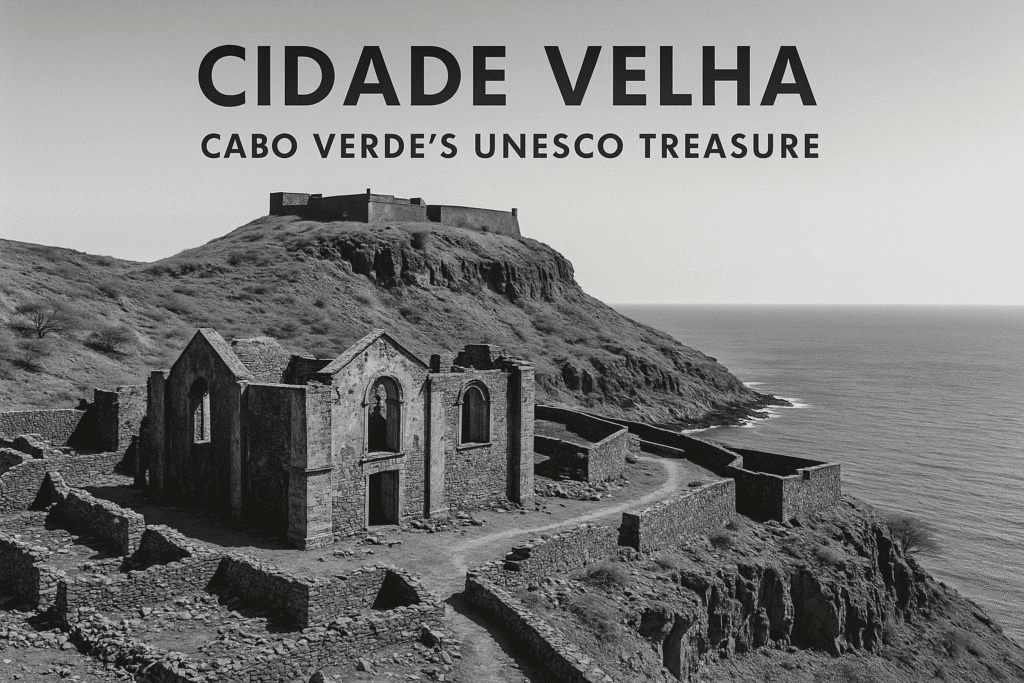
- Portuguese explorers made the initial discovery in 1456.
- The first European city in the tropics, Cidade Velha, was founded in 1462.
- A significant hub for the Atlantic slave trade in the 16th and 19th centuries.
- PAIGC, which spearheaded the struggle for independence, was established in 1956 by Amílcar Cabral.
- Complete independence from Portugal was attained in 1975.
📍 Geographical Location and Features
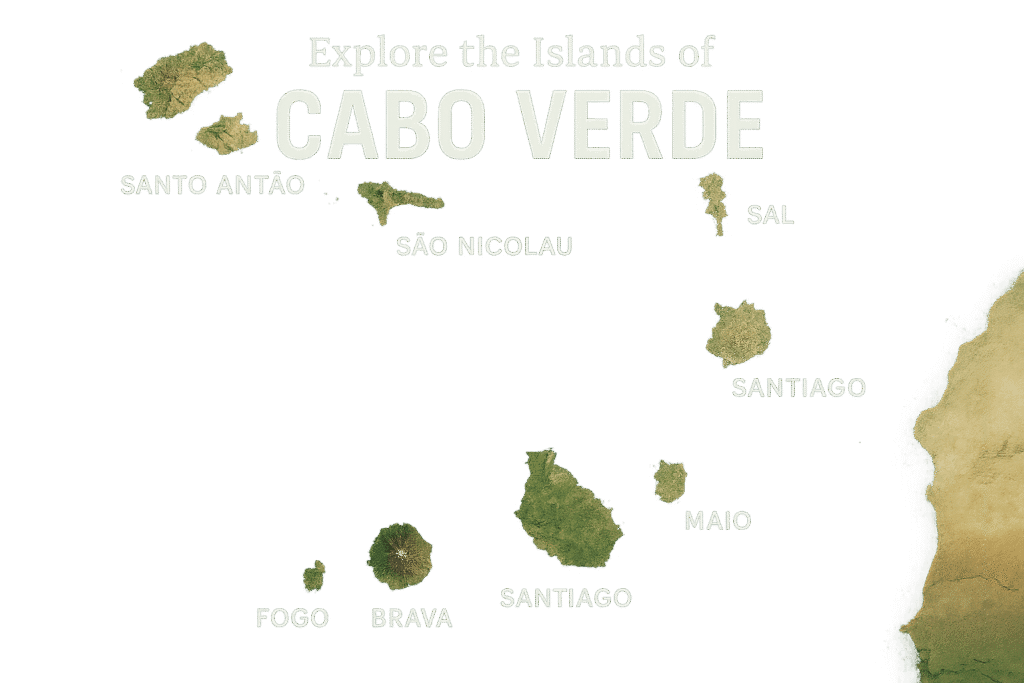
About 570 kilometres (354 miles) west of Senegal, Africa, lies Cabo Verde in the central Atlantic Ocean. Ten volcanic islands and numerous islets make up the country, which is separated into two groups:
- Santo Antão, São Vicente, Santa Luzia, São Nicolau, Sal, and Boa Vista are the locations of Barlavento (Windward).
- Maio, Santiago, Fogo, and Brava are Sotavento (Leeward).
Geographic Coordinates:
- Latitude: Between 14°N and 17°N
- Longitude: Between 22°W and 25°W
- Continent: Africa
- Neighboring countries (nearest): Senegal, Gambia, Mauritania
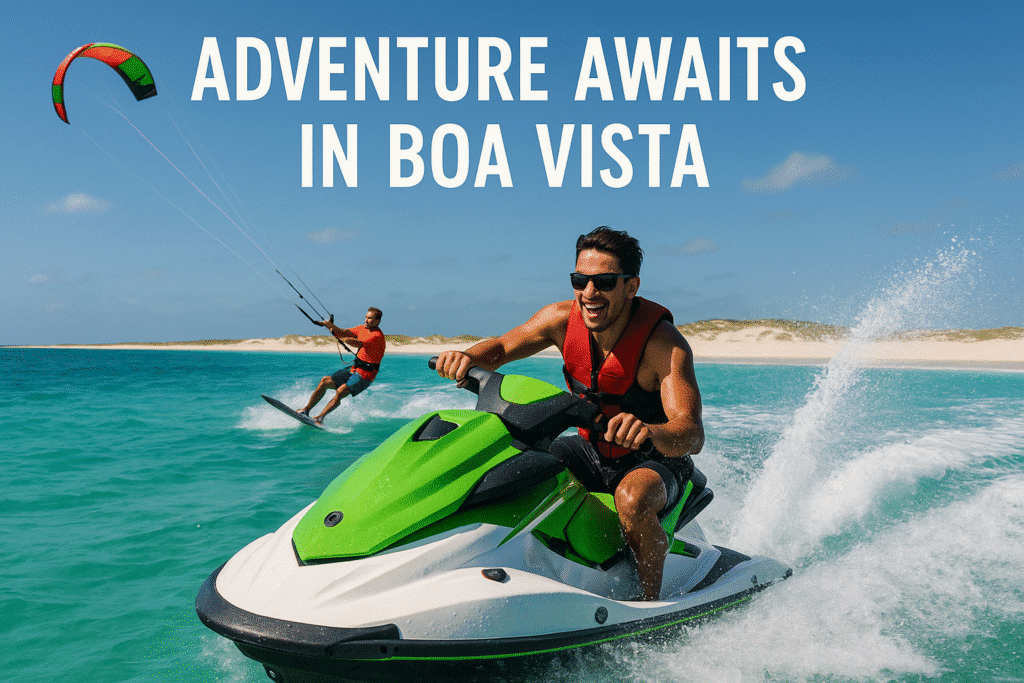
The topography of the islands varies. The flat, sandy beaches of Sal and Boa Vista are well-known, but Fogo is home to the 2,829-meter (9,281-foot) tall Pico do Fogo active volcano.
🎭 Culture of Cabo Verde
Deeply ingrained in music, dance, religion, food, and communal life, Cabo Verdean culture is a vibrant fusion of African and Portuguese customs.
Religion:
- Roman Catholic by majority (more than 77%)
- Minorities of Muslims, Protestants, and atheists
Traditional Music and Dance:
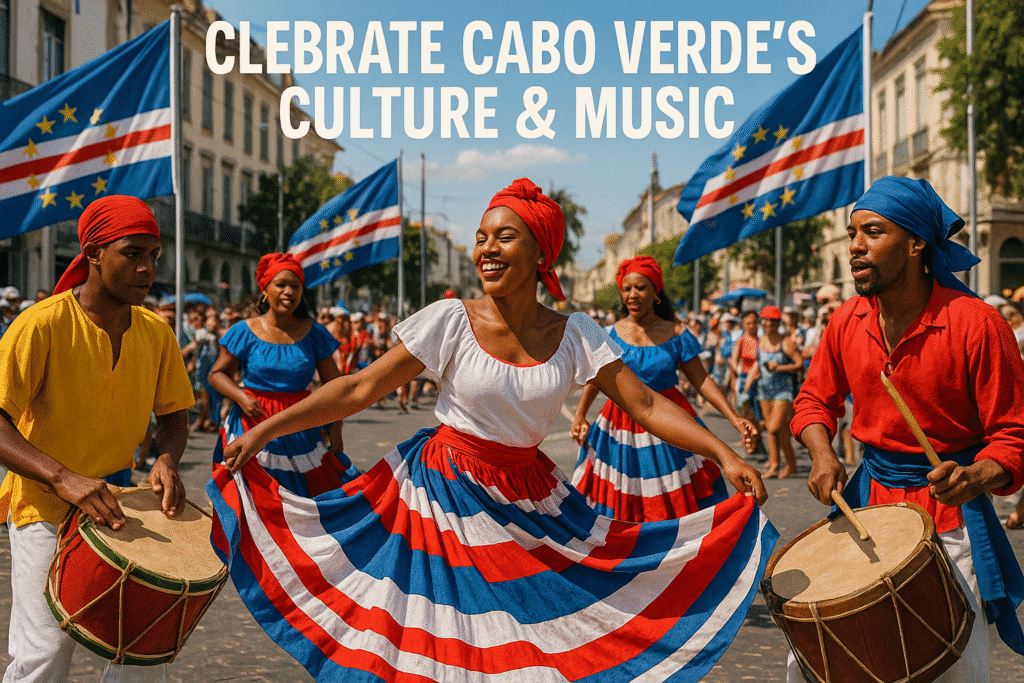
- Cesária Évora popularised the melancholic, soulful music style known as morna.
- Funaná: A lively rhythm based on an accordion
- Coladeira and Batuque: vivacious traditional dances with African roots
Cuisine:
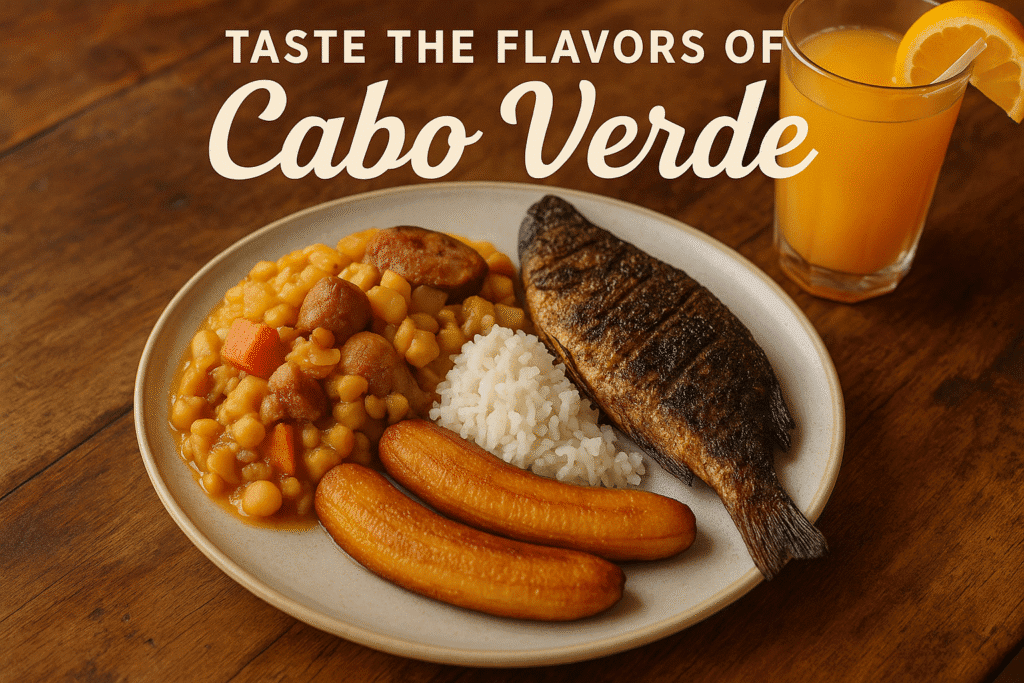
- The cuisine combines Brazilian, Portuguese, and African flavours.
- Fish, maize, beans, and tropical fruits are staple foods.
- Cachupa, a slow-cooked stew consisting of corn, beans and either fish or meat, is the national dish.
Festivals:
- Gamboa Festival (Praia): Santiago Island’s biggest music festival
- Carnaval (Mindelo): A colourful festival featuring dance, costumes, and parades
- Tabanka Festival: Using drums and parades to combine African and Catholic customs
💰 Cabo Verde’s Economy
The main drivers of Cabo Verde’s economy are tourism, remittances, and government management. The nation has a growing GDP and political stability in spite of its limited natural resources.
Key Sectors:
- Tourism (dominant)
- Fishing
- Renewable energy (wind & solar)
- Agriculture (limited due to arid land)
- Light manufacturing
Currency:
- Cabo Verdean Escudo (CVE)
Main Trading Partners:
- Portugal
- Spain
- Netherlands
- China
- United States
🎭 Culture of Cabo Verde
A Blend of African and European Traditions
Because of its colonial past and advantageous location in the Atlantic, Cabo Verde is a cultural melting pot of Portuguese and African influences. Its Creole (Kriolu) identity, which combines Brazilian flair, Portuguese traditions, and African rhythms, is a fundamental part of its cultural fabric.
📅 Major Festivals and Traditions
- In Mindelo and Praia, Carnaval (February/March) is celebrated with vibrant parades that combine African music and Portuguese customs.
- The June Tabanka Festival honours African heritage through drumming, processions, and symbolic ceremonies.
- May’s Gamboa Music Festival is a well-known music gathering in Praia that draws both domestic and foreign performers.
- The June São João Festival combines Catholic rites, bonfires, and traditional dance.
- January 20th is National Heroes Day, a celebration of anti-colonial leaders like Amílcar Cabral.
🥘 Food and Cuisine
Cape Verdean food is straightforward but delicious:
- The national dish, cachupa, is a stew made with corn, beans, vegetables and either fish or meat that is cooked slowly.
- Grogue: A homemade, regional sugarcane rum.
- A popular street food is pastel com diablo dentro, a spicy tuna pastry.
- Lagostada: Lobster cooked with olive oil and garlic.
🎵 Music and Dance
The rich musical legacy of Cabo Verde is well-known throughout the world:
- Morna: Popularised by Cesária Évora, the musical queen of Cabo Verde, this melancholic style is similar to Portuguese fado.
- Coladeira and Funaná: Dance music that is more lively and rhythmic.
- Women have traditionally performed the ancient drumming and dancing style known as “batuque.”
💰 Economy of Cabo Verde
Overview of the Economy
With substantial growth since gaining independence in 1975, Cabo Verde’s economy is categorised as lower-middle income. Despite having few natural resources, the nation has developed a services-based economy.
🔑 Key Economic Sectors
- A significant factor, particularly on islands like Sal and Boa Vista, is tourism.
- Remittances: From the diaspora of Cabo Verdeans in the Americas and Europe.
- Fishing: The main exports are lobster and tuna.
- Agriculture: Limited because of the dry climate; sugarcane, bananas, and maize are the main crops.
- Renewable Energy: By 2030, Cabo Verde wants to run entirely on renewable energy.
💱 Currency and Trade
- Currency: Cape Verdean Escudo (CVE)
- Main Trade Partners:
- Imports: Portugal, Spain, Netherlands
- Exports: Spain, Portugal, USA
- Imports: Portugal, Spain, Netherlands
- Free Trade Zones: Being developed to boost investment.
📊 Economic Challenges
- excessive dependence on imports.
- effects of climate change on agriculture and water.
- unemployment among young people.
🌍 Cabo Verde’s Global Relations
International Affiliations
- Member of the United Nations (UN) since 1975.
- Active member of the African Union (AU).
- Cabo Verde is a member of the Community of Portuguese Language Countries (CPLP).
- Although it frequently functions with some degree of independence, the Economic Community of West African States (ECOWAS) is a member.
- Member of the World Trade Organisation (WTO) since 2008.
- The World Bank and the International Monetary Fund (IMF) are partners in financing development.
Diplomatic Relations
Cabo Verde maintains strong relations with:
- Portugal, a former colonial power
- USA (because of a sizable diaspora)
- Brazil (linguistic and cultural connections)
- China (investment in infrastructure)
🏙️ Major Cities of Cabo Verde
Praia
- Santiago Island is home to the capital city.
- centre of politics and the economy.
- home to Sucupira markets, the Presidential Palace, and the National Library.
Mindelo
- situated on the island of São Vicente.
- Cultural capital, renowned for its music, art, and nightlife.
- hosts the well-known Baía das Gatas music festival and Carnival.
Santa Maria
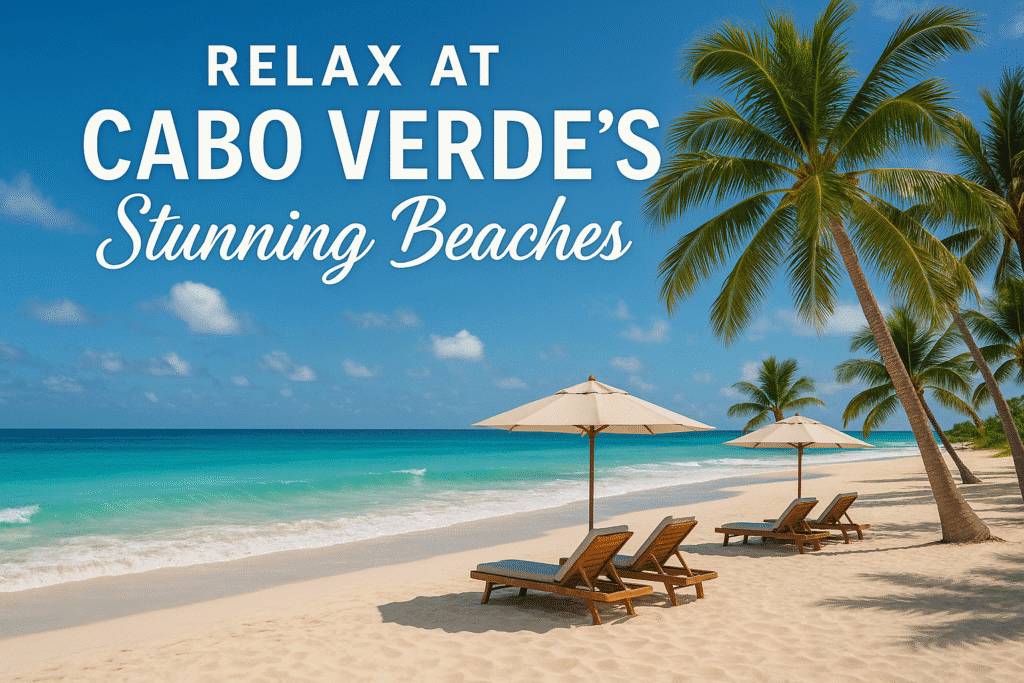
- Sal Island is a popular tourist destination.
- includes beaches, water sports, and opulent resorts.
Assomada
- situated in the heart of Santiago.
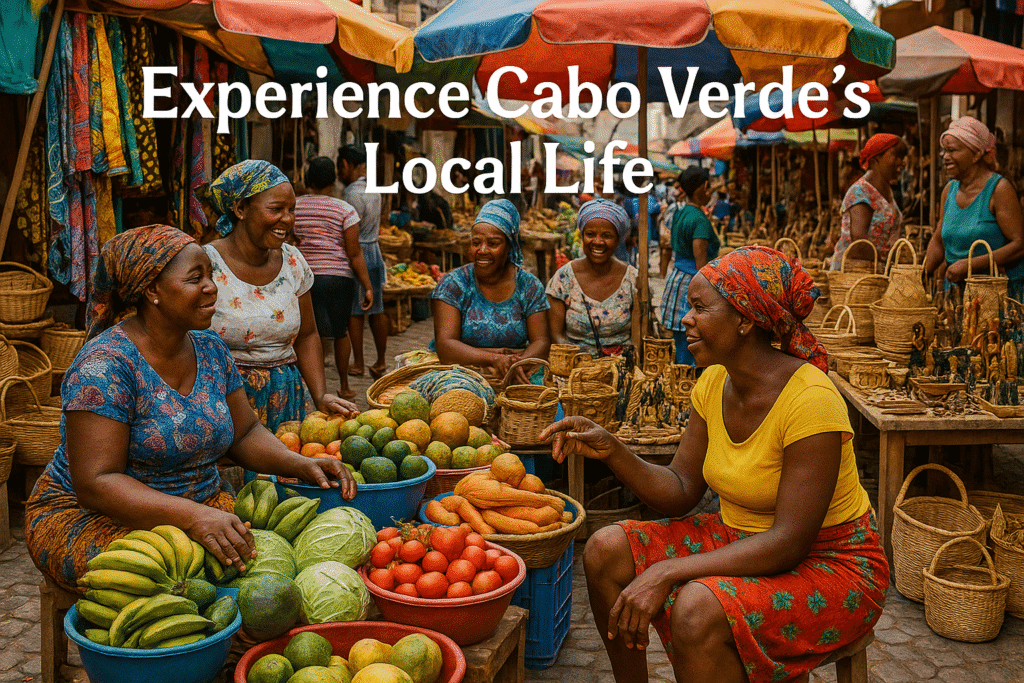
- renowned for its traditional markets and educational establishments.
Espargos
- Sal Island’s administrative centre.
- A major airport with state-of-the-art facilities.
🏙 Major Cities in Cabo Verde
Each of the ten volcanic islands that make up Cabo Verde has its own distinct urban identity. Even though Praia serves as the capital, other cities are important for tourism, the economy, and culture.
1. Praia (Capital City)
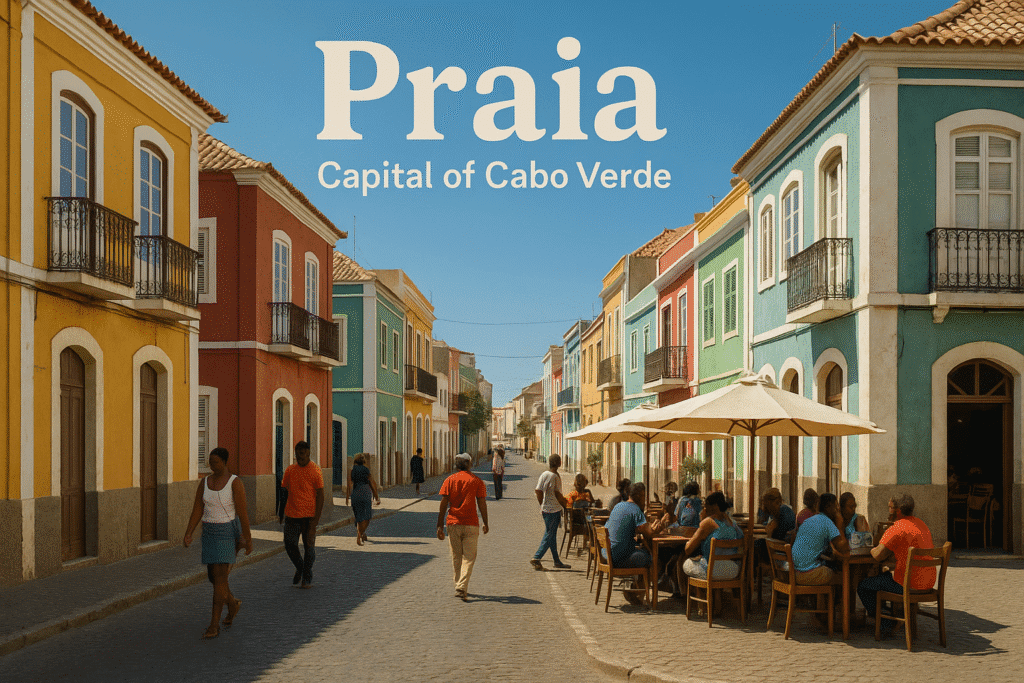
The political and economic centre of Cabo Verde is Praia, which is situated on Santiago Island. It has the following features:
- Foreign embassies and government buildings.
- the Plateau district, which is historic.
- Nightlife, markets, and cultural hubs.
2. Mindelo
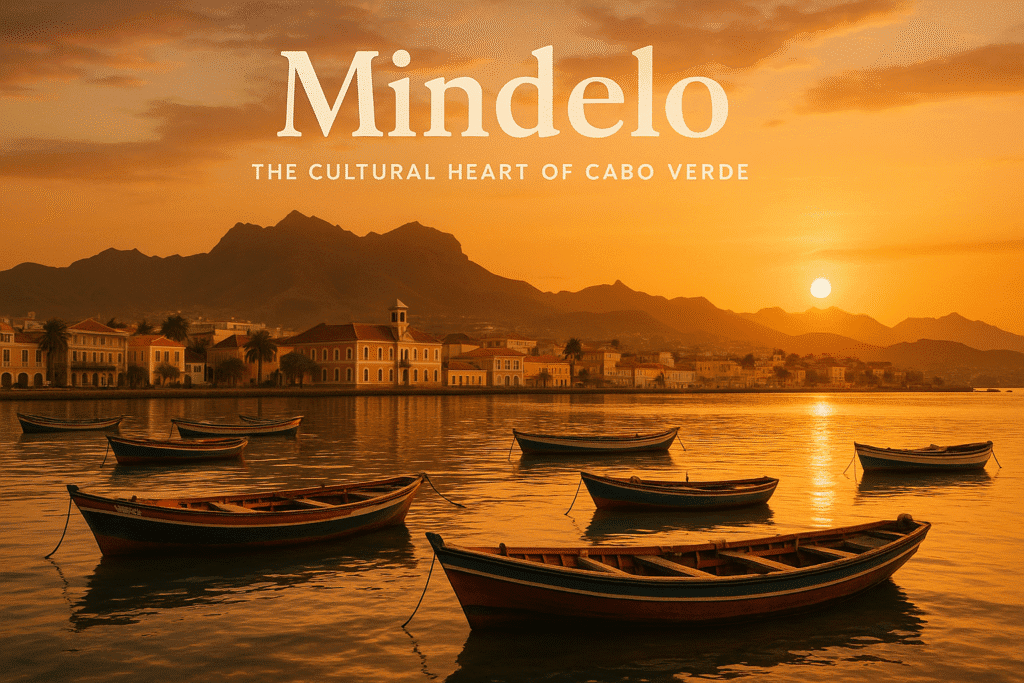
Mindelo, the cultural centre of Cabo Verde, is situated on São Vicente Island. renowned for:
- Colonial-style buildings.
- The colourful Carnival of Mindelo.
- thriving music scene featuring performances of coladeira and morna.
3. Santa Maria
Santa Maria, which is on Sal Island, is a popular tourist destination:
- Beautiful resorts and beaches.
- water sports, such as diving and windsurfing.
- Craft stores, restaurants serving seafood, and bars.
4. Assomada
Assomada, which is in the heart of Santiago, is well-known for:
- its thriving marketplace.
- educational establishments.
- regional produce and crafts.
🧳 Best Times to Visit Cabo Verde
The ideal time to visit Cabo Verde depends on your interests, but it has a tropical climate all year round:
🌞 November to June (Dry Season)
- Perfect for hiking, sightseeing, and beach vacations.
- The weather is pleasant and the skies are clear.
- Excellent for celebrations such as the May Gamboa Festival.
🌧 July to October (Wet Season)
- increased likelihood of tropical rains and humidity.
- reduced costs and fewer tourists.
- Excellent for landscapes with lots of greenery.
🚗 Getting Around Cabo Verde
✈ Domestic Flights
- Inter-island flights are operated by Binter CV.
- Major islands such as Santiago, São Vicente, Sal, and Boa Vista are connected by flights.
⛴ Ferries and Boats
- Regular island-to-island ferry service (seasonal conditions vary).
- Perfect for quick island hopping, particularly between São Antão and São Vicente.
🚐 Local Transportation
- “Hiace” minibuses are frequently used for both urban and rural transportation.
- In cities, taxis are common.
- You can rent a car on Santiago, Boa Vista, and Sal.
🌐 Cabo Verde in Global Organizations
International cooperation is something that Cabo Verde is actively involved in:
- member of the United Nations (UN) since 1975.
- Participant of the African Union (AU).
- member of the Economic Community of West African States, or ECOWAS.
- WTO member for international commerce.
- collaborates with the World Bank and IMF to promote economic growth.
- Join forces with UNESCO’s cultural heritage initiatives.
🌟 Unique & Interesting Facts about Cabo Verde
- There are no permanent rivers in Cabo Verde; instead, water is gathered by rainfall and desalination.
- Cabo Verdean music gained international recognition thanks to Cesária Évora, also known as “The Barefoot Diva.”
- Creole culture is a complex fusion of African and Portuguese elements.
- Volcano trekking: One of the few active volcanoes that tourists can hike is Pico do Fogo.
- Hotspot for blue marlin: Cabo Verde is a popular sport fishing destination worldwide.
- Tourist-safe: One of Africa’s safest places to visit is Cabo Verde.

🧾 Summary: Why Visit Cabo Verde?
A distinctive fusion of Portuguese charm and African rhythm can be found in Cabo Verde. Cabo Verde greets you with open arms, sunny skies, and soulful music, whether your goal is to explore cultural heritage in Mindelo, hike a volcano on Fogo, or unwind on the immaculate beaches of Sal.
Cabo Verde is a treasure awaiting discovery, offering a wealth of customs, secure tourism facilities, friendly locals, and thrilling experiences.
📊 Key Facts Table: Cabo Verde
| Category | Details |
| Official Name | Republic of Cabo Verde |
| Capital | Praia |
| Population | ~560,000 (2025 estimate) |
| Area | 4,033 sq. km |
| Currency | Cape Verdean Escudo (CVE) |
| Official Language | Portuguese |
| Major Religions | Christianity (predominantly Catholic) |
| Government Type | Unitary Semi-Presidential Republic |
| Time Zone | GMT (No daylight saving time) |
| UNESCO Sites | Cidade Velha, Historic Centre of Ribeira Grande |
| Best Time to Visit | November to June |
- United Nations – Cabo Verde Member Information
🔗 https://www.un.org/en/member-states/cape-verde
explains the UN membership, contributions, and involvement of Cabo Verde. - UNESCO World Heritage – Cabo Verde Sites
🔗 https://whc.unesco.org/en/statesparties/cv
lists and describes Cabo Verde’s UNESCO-recognized natural and cultural heritage sites.. - World Bank – Cabo Verde Country Overview
🔗 https://www.worldbank.org/en/country/caboverde
gives information on economic statistics, development indicators, and the state of the Cabo Verdean economy. - CIA World Factbook – Cabo Verde
🔗 https://www.cia.gov/the-world-factbook/countries/cabo-verde/
contains current information on infrastructure, government, economy, population, and geography. - Visit Cabo Verde – Official Tourism Site
🔗 https://www.visitcaboverde.com/
Travel advice, activities, attractions, and more are all available on this official tourism website. - African Development Bank – Cabo Verde Projects & Data
🔗 https://www.afdb.org/en/countries/west-africa/cabo-verde
explains the infrastructure projects and development initiatives that the AfDB has funded. - International Monetary Fund (IMF) – Cabo Verde Data
🔗 https://www.imf.org/en/Countries/CPV
reports and macroeconomic data pertaining to the fiscal performance and policies of Cabo Verde.
National Institute of Statistics of Cabo Verde (INE)
🔗 https://ine.cv/ (Portuguese)
official website for national data, statistical reports, and the Cabo Verde census.



[…] 29.Cabo Verde: The Atlantic Archipelago Full of Wonders […]