



Introduction
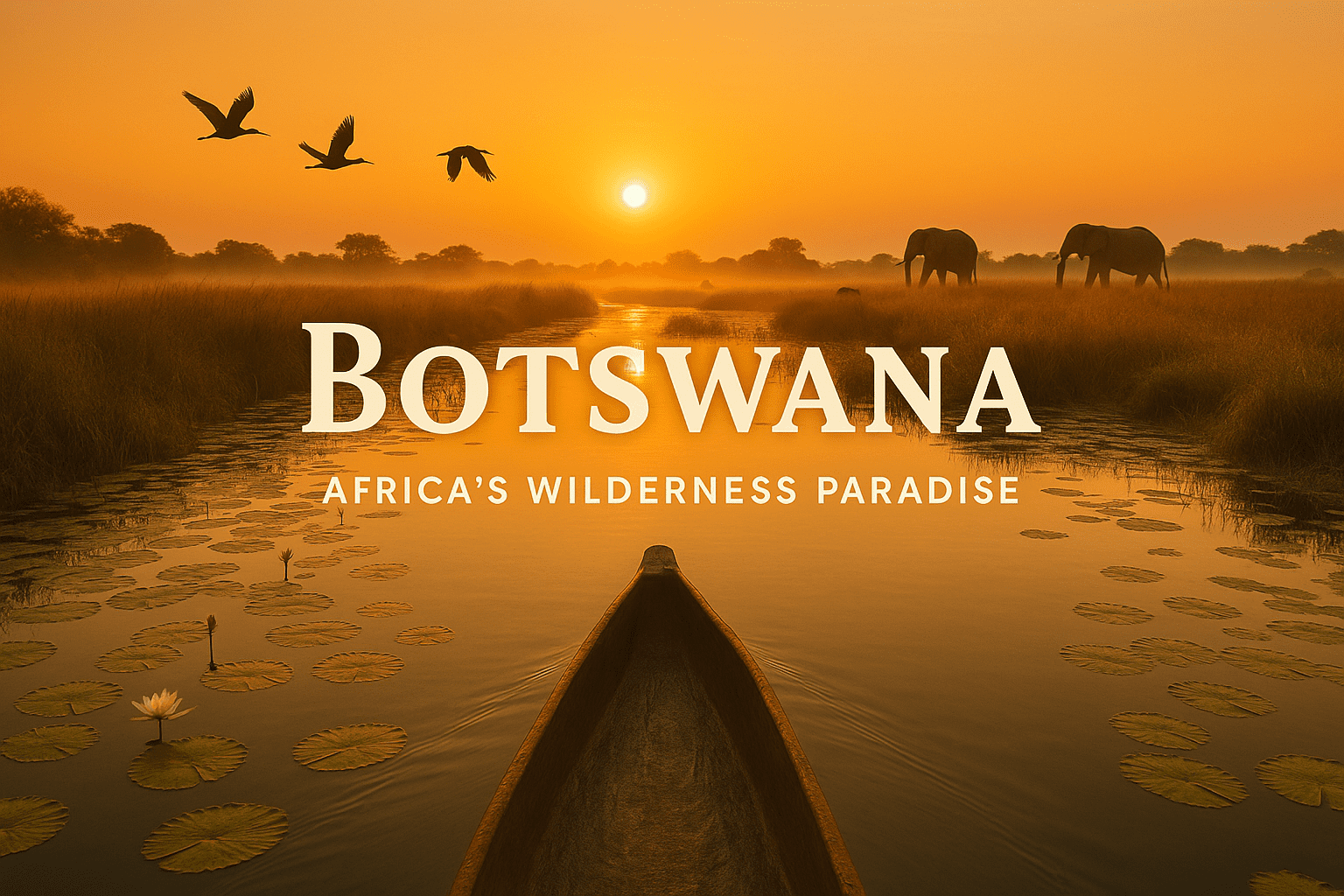
A landlocked jewel in Southern Africa, Botswana is well-known for its stunning scenery, diverse wildlife, stable democracy, and distinctive cultural legacy. Botswana provides one of the most genuine African experiences, from the expansive Kalahari Desert to the pristine Okavango Delta. A must-read for tourists, scholars, and students alike, this guide examines Botswana’s history, culture, economy, tourism, language, and global role.
🕰️ A Brief History of Botswana
Pre-Colonial and Early History
People have lived in what is now Botswana for thousands of years. For more than 20,000 years, the San people (Bushmen), Africa’s oldest continuous inhabitants, called this place home. They had a strong bond with the land and were expert hunters and storytellers.
Batswana Kingdoms
By the fourteenth century, Batswana, or Tswana-speaking people, had migrated from the north and established strong chiefdoms. These societies established hierarchical structures and tribal councils (kgotla) as the foundation for their political systems.
British Protectorate
In order to thwart German and Boer expansion, Britain proclaimed the region a protectorate in 1885, naming it Bechuanaland. Bechuanaland was mostly run by traditional leaders, in contrast to many other African colonies.
Independence and Modern Growth
Seretse Khama served as Botswana’s first president after the country attained independence in 1966. The world was taken aback when the recently renamed Botswana went from being among the poorest countries in Africa to becoming one of the most stable and prosperous.
- Stable democracy: Frequent elections and orderly handovers of power
- Rapid economic growth: Propelled by diamonds and wise policies
- Conservation leadership: 38% of land under protection
🌍 Geographic Location and Neighbors of Botswana
Where is Botswana Located?
- Continent: Africa
- Region: Southern Africa
- Coordinates: Approx. 22°S latitude, 24°E longitude
Bordering Countries
- South Africa – South and southeast
- Namibia – West and north
- Zimbabwe – Northeast
- Zambia – Very short northeastern tip (Kazungula)
Key Geographical Features
- Okavango Delta:One of the biggest inland deltas in the world and a UNESCO World Heritage Site
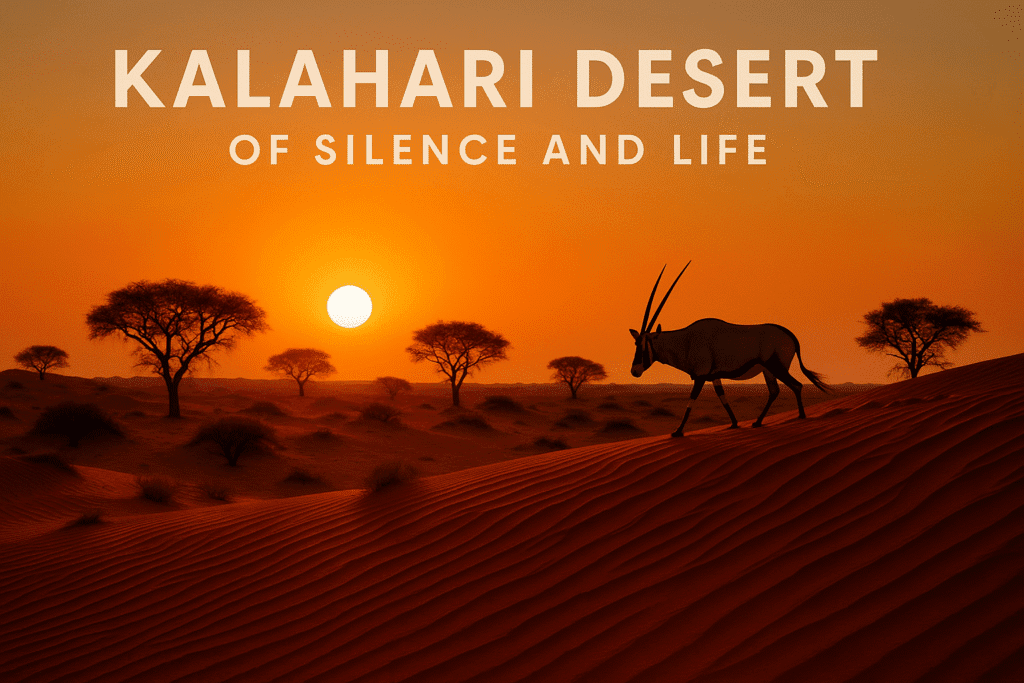
- Kalahari Desert: covers as much as 70% of the nation.
- Chobe River & National Park: Abundant in aquatic life and elephants
- Makgadikgadi Salt Pans: One of the world’s biggest salt flats
The flat terrain and landlocked status of Botswana are important factors in the country’s environmental and economic planning.
🎭 Cultural Insights into Botswana
🧑🤝🧑 Traditions and Social Structure
- Tribal Identity: The Tswana people (Batswana), who comprise almost 80% of the population, are the majority ethnic group.
- The Kgotla System is a customary outdoor court and community assembly run by a chief, with decisions decided by consensus.
- Respect for Elders: Age-based respect and hierarchy are fundamental.
- Ceremonies: Transitions into adulthood are marked by initiation rites, known as bojale for girls and bogwera for boys.
🛐 Religion in Botswana
- More than 70% of people identify as Christian.
- African traditional beliefs coexist and have an impact on health and community rituals.
🎶 Music and Art
- Call-and-response singing, drumming, folk rhythms, and contemporary styles like jazz fusion and kwaito are all examples of music.
- At festivals, dance styles like Setapa and Phathisi are performed.
- Botswana’s artistic legacy includes wood carving, basketry, and ceramics.
🍛 Food of Botswana

- A traditional dish made with pounded goat or beef is called seswaa.
- Pap (Bogobe): A mainstay for many meals, made from maize or sorghum porridge.
- Morogo: Wild greens or spinach that is frequently served with meat.
- Vetkoek: Fried bread eaten with jam or savoury fillings.
🎉 Festivals in Botswana
- Botswana Day (Sept 30): Celebrates independence.
- Maun Festival: Music, arts, and storytelling
- Kuru Dance Festival: San heritage celebration in D’Kar village
💰 Economy of Botswana
One of Africa’s economic success stories for a long time has been Botswana. Since gaining independence in 1966, Botswana has grown from impoverished beginnings to become one of sub-Saharan Africa’s most stable and prosperous nations.
📈 Key Economic Highlights
- GDP (2024): Approx. $20 billion USD
- GDP Per Capita: Among the highest in Africa
- World Bank Classification: Upper-middle-income country
- Primary Sector: Mining, especially diamonds
💎 Major Industries
1. Mining
- More than 70% of export earnings come from diamonds.
- run by Debswana, a collaboration between De Beers and the government.
- By value, Botswana is the world’s second-largest producer of diamonds.
2. Tourism
- A significant source of employment and foreign exchange earnings
- centred on luxury safari experiences, wildlife conservation, and ecotourism
3. Agriculture
- remains a vital source of income in rural areas despite contributing less than 3% of GDP.
- dominated by maize, sorghum, and cattle ranching
4. Financial and Services Sector
- Robust insurance and banking systems
- Government programs to support the expansion of ICT and fintech
💱 Currency and Trade
- Currency: Botswana Pula (BWP)
- Exchange Rate: ~1 USD = 13.5 BWP (2024 average)
- Trade Partners:
- Exports: Belgium, UAE, India, South Africa
- Imports: South Africa, China, Namibia
- Exports: Belgium, UAE, India, South Africa
In addition, Botswana is a founding member of the Southern African Customs Union (SACU) and the Southern African Development Community (SADC).
🏞️ Top Tourist Attractions in Botswana
World-class safari experiences in unspoiled wilderness are the foundation of Botswana’s low-volume, high-value ecotourism industry.
🦁 1. Okavango Delta (UNESCO World Heritage Site)

- Among Africa’s Seven Natural Wonders
- teems with more than 400 bird species, lions, elephants, and hippos.
- Discover through luxury lodges, guided bush walks, and mokoro canoes.
🐘 2. Chobe National Park

- Known as Africa’s Elephant Capital
- Situated close to Kasane town
- Cruises on the Chobe River provide breathtaking opportunities for wildlife photography.
🦓 3. Moremi Game Reserve
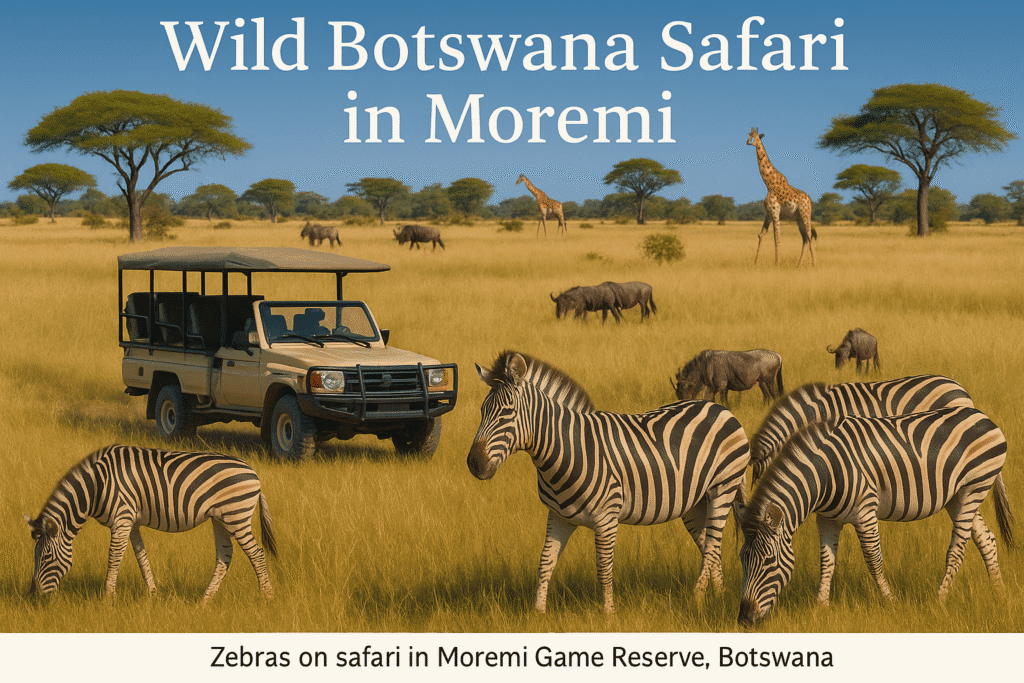
- In the Okavango Delta
- renowned for seeing cheetahs, leopards, and wild dogs, among other predators.
🏜️ 4. Central Kalahari Game Reserve
- Among the world’s largest reserves
- Discover the vast savannahs, black-maned lions, and San Bushmen culture.
🌍 5. Makgadikgadi Salt Pans
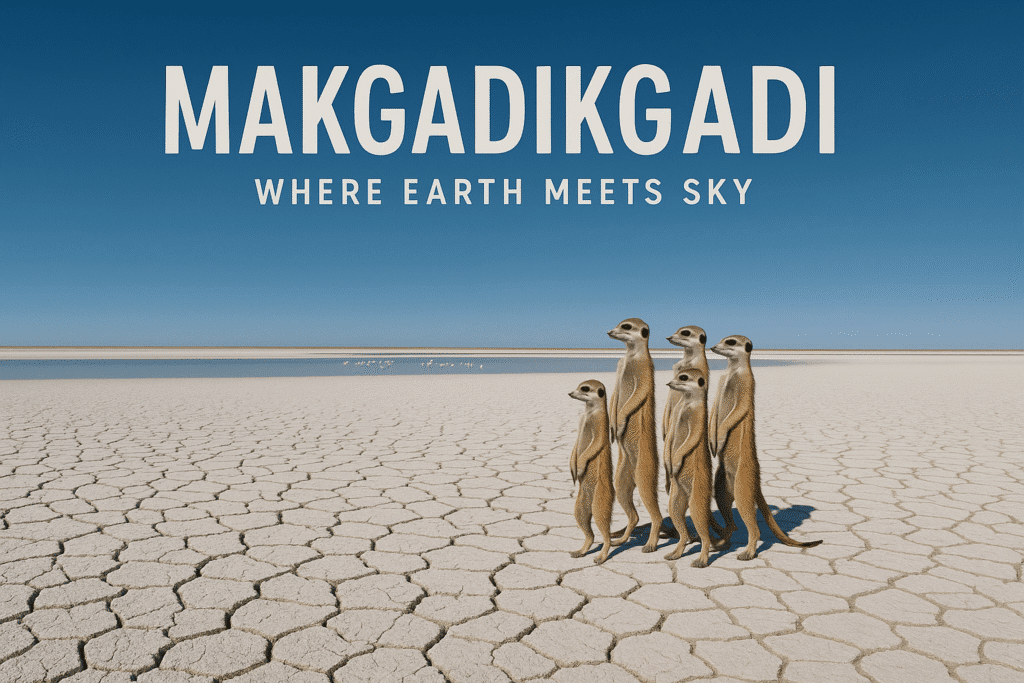
- One of the biggest salt flats on the planet
- When it rains seasonally, flamingos congregate.
- Popular pastimes include stargazing, quad biking, and interacting with meerkats.
🐆 6. Khutse Game Reserve
- Excellent for off-road explorers
- Not as well-known, but perfect for authenticity and solitude
🗣️ Languages Spoken in Botswana
🏛️ Official Language
- English – used in government, business, and education
🗣️ National Language
- Setswana (Tswana) – widely spoken by locals, also a written language
🌍 Other Spoken Languages
- Kalanga – north and northeast
- Sekgalagadi – western and central
- San dialects – in the Kalahari regions
- Multilingualism is common, especially in urban centers
Setswana contains idioms, proverbs, and cultural expressions that are closely associated with Botswana’s identity.
🏙️ Major Cities in Botswana
🌆 1. Gaborone (Capital City)
- Centre of politics and the economy
- A contemporary city with hotels, colleges, and shopping centres
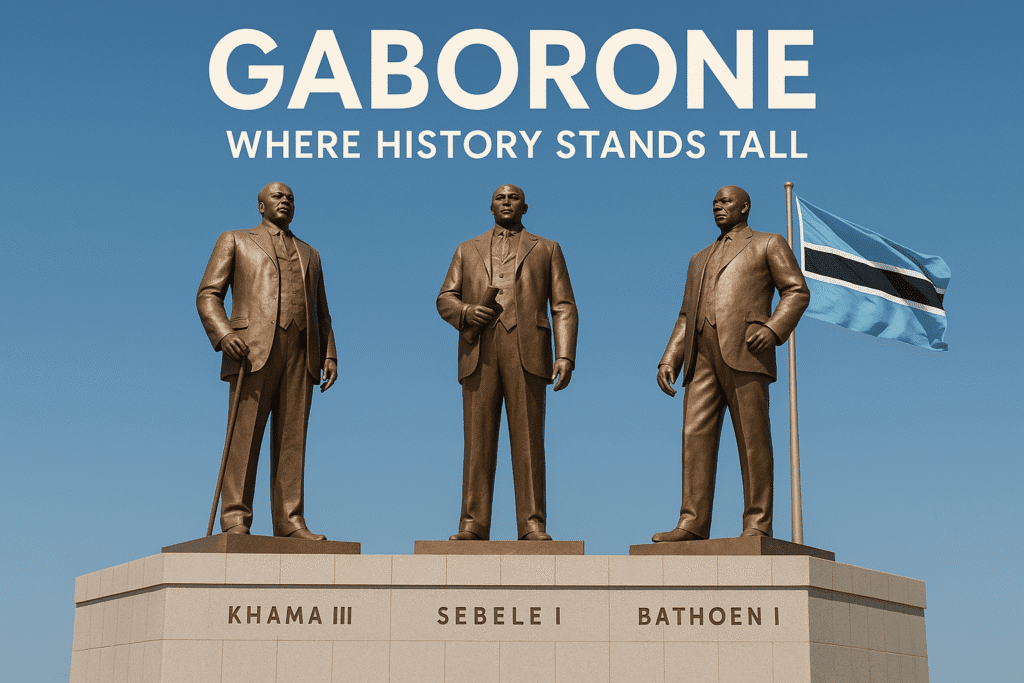
- Three Dikgosi Monument, Gaborone Game Reserve, and Kgale Hill are the main attractions.
🏢 2. Francistown
- Transportation and industrial centre close to the Zimbabwean border
- Rich in the history of mining
- With a thriving nightlife and cultural events
🏞️ 3. Maun
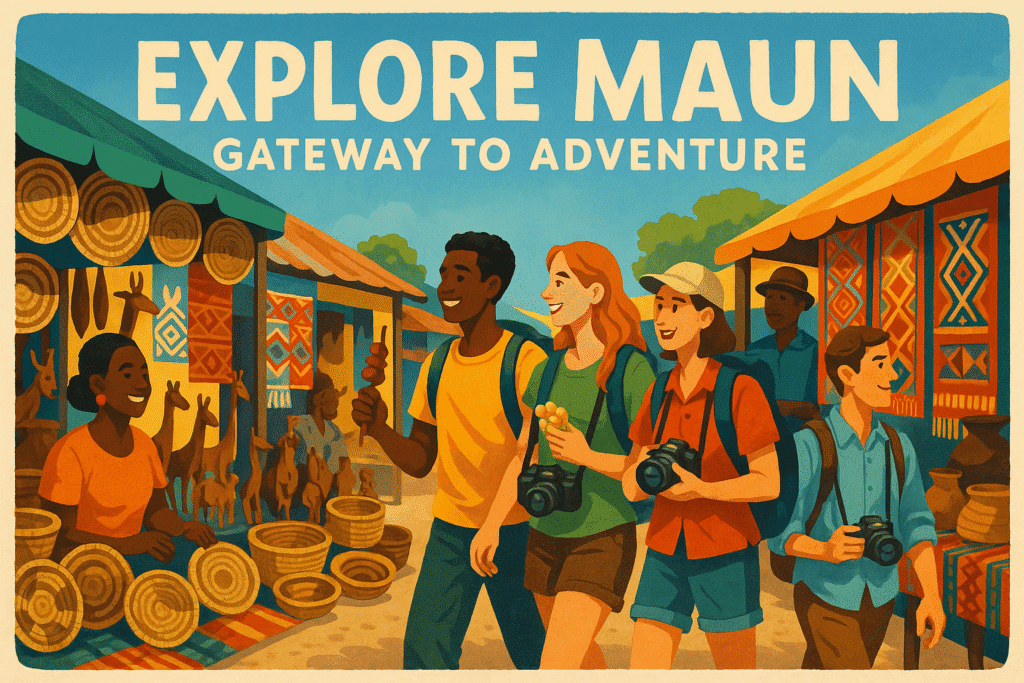
- The Okavango Delta’s Gateway
- Safari and flight excursion base
- Ecotourism and service industries are expanding quickly.
🌄 4. Kasane
- A border town close to Chobe National Park
- Near the Kazungula Bridge, which connects Zambia, Zimbabwe, and Botswana
🏙️ 5. Selebi-Phikwe
- Once a mining town, it is now expanding into tourism and agriculture.
- Well-known for its picturesque wetlands and bike paths
🌐 Botswana on the Global Stage
🕊️ United Nations and Global Organizations
Respected for its dedication to sustainable development, peacekeeping, and diplomacy, Botswana has maintained a significant global presence since gaining independence in 1966.
✅ Member Of:
- United Nations (UN) – Since 1966
👉 UN Member Info - African Union (AU)
- Southern African Development Community (SADC)
- World Bank – Supports development & infrastructure
👉 World Bank – Botswana - International Monetary Fund (IMF)
- World Health Organization (WHO)
- Commonwealth of Nations
Botswana is frequently mentioned as an example of an African democracy and a pioneer in the fight against corruption.
🌟 Unique and Interesting Facts about Botswana
- No Colonial Rule: Botswana was a British protectorate with local leaders kept in place rather than colonised in the conventional sense.
- Animal Haven: Botswana is home to Africa’s largest population of elephants, numbering over 130,000.
- Parks without fences allow wildlife to move freely between reserves because of lax conservation regulations.
- Witchcraft is not punishable by death. Customary law protects traditional beliefs.
- Diamond-Driven Yet Stable: Botswana reinvests its diamond earnings in infrastructure, healthcare, and education.
- Low crime rates and a tranquil society make this one of Africa’s safest nations.
- A distinctive democratic system that predated Western influence was the Kgotla Tradition.
- Strong currency reserves and a balanced budget are maintained in the absence of a national debt crisis.
- The Makgadikgadi Pans, the largest salt pans in the world, can be seen from space!
- One of the world’s oldest continuously existing cultures, the San People, call this place home.
🧭 Best Times to Visit Botswana
Botswana’s seasons impact wildlife viewing and travel comfort. Here’s when to go:
🌿 Dry Season (May–October)
- Ideal for safaris
- At watering holes, wildlife congregates.
- Nice weather with little rain
🌧️ Wet Season (November–April)
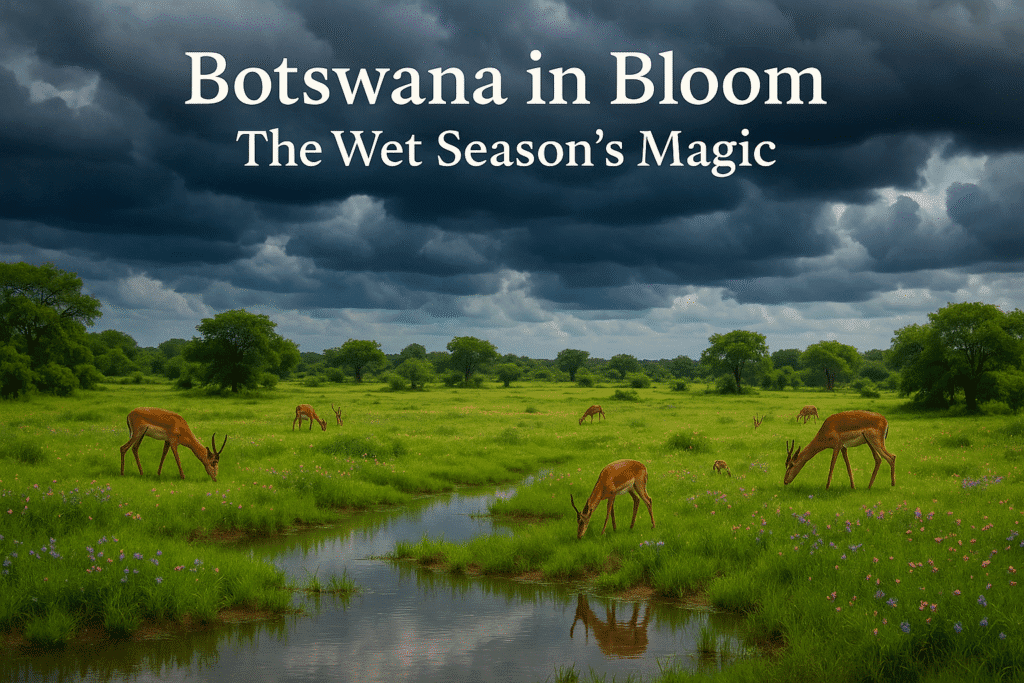
- Birdwatching and lush landscapes
- For many animals, it’s calving season.
- Reduced costs and fewer visitors
🚍 How to Travel Around Botswana
✈️ Air Travel
- Principal Airport: Gaborone’s Sir Seretse Khama International Airport (GBE)
- Additional airports: Francistown, Kasane, and Maun
- Remote safari lodges frequently use charter flights.
🚐 Bus & Taxi
- Major towns are connected by intercity buses.
- Locally, minibus taxis are utilised, but they are scarce in rural areas.
🚗 Self-Drive Safaris
- Renting a 4×4 is common.
- Travel through deserts, salt pans, and game parks.
🛶 Mokoro (Dugout Canoe)

- The Okavango Delta’s traditional mode of transportation
🧭 Visit More:
- 🌍 Argentina Country Guide
- 🌴 Barbados Travel Blog
- 👉 Argentina Travel Guide
- 👉 Barbados Travel Guide
- 👉 Angola Travel Guide
- 👉 Armenia Travel Guide
- 👉 Antigua & Barbuda Travel Guide
- 👉 Australia Travel Guide
- 👉 Austria Travel Guide
- 👉 Azerbaijan Travel Guide
- 👉 Bahamas Travel Guide
🌐 External DoFollow Links:
- 📘 UN Botswana Membership
- 💼 World Bank Botswana
- 🐘 UNESCO Okavango Delta Listing
- 🦓 Botswana Tourism Official Site
✍️ Final Summary
Botswana is a shining example of democracy, conservation, and true African identity. From the sun-drenched stretches of the Kalahari to the watery arteries of the Okavango Delta, Botswana provides unique experiences steeped in tradition and nature. It is a place where roaring lions, sparkling diamonds, and ancient San wisdom all live in harmony. Botswana is not only a travel destination but also a global model because it is secure, stable, and sustainably run.
📊 Key Facts Table – Botswana
| Feature | Details |
| Official Name | Republic of Botswana |
| Capital | Gaborone |
| Population | Approx. 2.6 million (2024) |
| Currency | Botswana Pula (BWP) |
| Official Language | English |
| National Language | Setswana |
| Continent | Africa (Southern Africa) |
| Major Exports | Diamonds, copper, beef |
| Tourist Highlights | Okavango Delta, Chobe, Kalahari, Maun |
| UN Member Since | 1966 |
| Best Time to Visit | May to October |